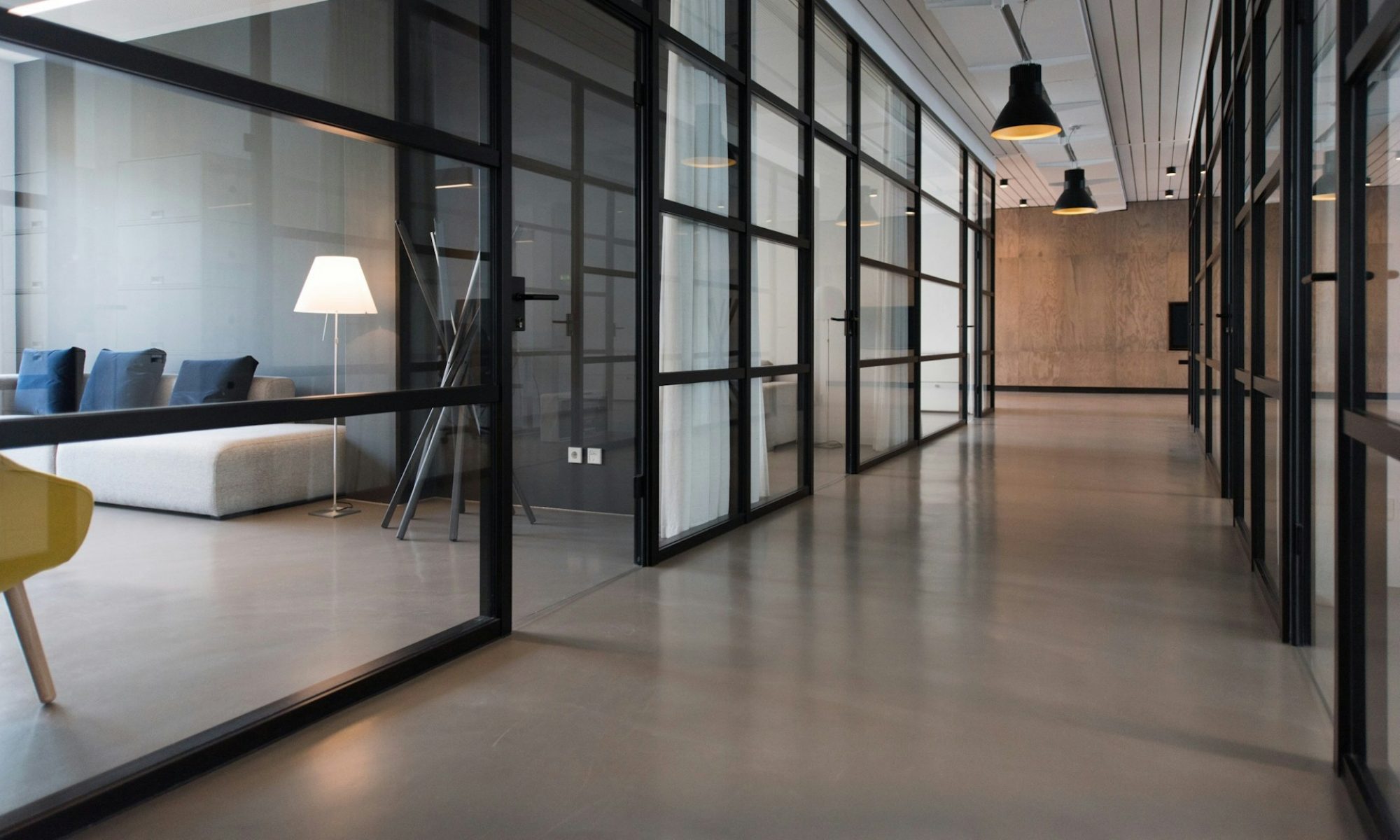

What are we writing about today? Building a calm, productive home office with smart layout, clever storage, and simple maintenance habits that keep clutter at bay—without sacrificing style or comfort.
Monday : Daily Health Storey Goal | Clear off your desktop for one hour.
Working from home can blur the line between living space and workspace, which often leads to clutter creep. The goal isn’t a sterile office; it’s a space that feels calm, functions efficiently, and still reflects your personality. Below is a practical guide to designing a home office that stays neat through smart layout, thoughtful storage, and easy maintenance routines.
[pms-restrict]
Start with your needs and the space you have
- Define purpose: writing, video calls, design work, or a combo. Your workflow dictates furniture and storage choices.
- Measure and plan: note doorways, window light, and power outlets. Sketch a simple layout with a desk, chair, and at least one storage solution.
- Consider traffic flow: leave at least 3 feet of clear space for movement and easy access to frequently used items.
Pick a layout that minimizes clutter
- Desk against a wall with clearance behind you for movement and cable routing.
- Corner or L-shaped setups for compact rooms that still offer generous work surface.
- Wall-mounted options: fold-down desks or wall shelves to maximize floor space in small rooms.
Create clear work zones
- Work zone: primary desk surface for computer, keyboard, and task tools.
- Storage zone: filing cabinets, shelves, and labeled containers within arm’s reach.
- Focus/meeting zone: a small area free of nonessential items for calls or quick brainstorms.
- Personal zone: one or two items that bring you joy but don’t overwhelm the space.
Desk and surface essentials for a tidy vibe
- Choose a clean, unobtrusive desk: simple lines, a finish that hides fingerprints, and enough depth for monitors.
- Minimalist monitor setup: one or two screens, neatly mounted if possible, to reduce desk clutter.
- Surface discipline: limit to essentials only—monitor, keyboard, a notebook or planner, and one decorative but compact item.
Smart storage that actually gets used
- Vertical solutions: tall bookcases, wall-mounted shelves, or pegboards to keep items off the desk.
- Hidden storage: under-desk drawers, rolling carts, or slim filing cabinets for papers.
- Clear labeling: use consistent labels for folders, boxes, and bins to speed up tidying.
- Drawer strategy: implement multi-compartment organizers for pens, cables, and supplies.
Cable management that makes a difference
- Centralize power: use a single power strip with a tidy cord sleeve.
- Route cords out of sight: clips, channels, and adhesive cable organizers along the desk edge or behind the desk.
- Wireless first: where possible, choose wireless peripherals and cloud-based workflows to reduce cables.
- Hide the chaos: a shallow cable box or basket keeps cords contained and out of view.
Personalization, but keep it calm
- One or two meaningful items: a small photo frame, a single plant, or a favorite trophy—kept tidy and minimal.
- Plant life: choose a low-maintenance plant to add life without creating mess or extra care.
- Color restraint: a cohesive palette (2–3 colors) for accessories helps the space feel intentional and serene.
Lighting and ergonomics for long work sessions
- Natural light first: place the desk near a window if possible, but avoid screen glare.
- Task lighting: a good desk lamp with adjustable brightness reduces eye strain.
- Ergonomics: monitor at eye level, chair supports your lower back, and keyboard/mouse within easy reach to prevent clutter and fatigue.
Maintenance routines that keep neatness effortless
- Daily 5-minute reset: close the laptop, return items to their designated spots, and straighten the desk.
- Weekly tidy: purge old papers, dust surfaces, and wipe down electronics.
- Monthly deep clean: clean monitor screens, keyboards, and refresh storage zones if you notice drift or dust buildup.
- Quick digital tidy: routinely organize files in the cloud or on your computer to prevent “digital clutter” that mirrors physical clutter.
Small-space hacks that really work
- Foldable or wall-mounted desk options for ultra-tight rooms.
- Stackable storage or modular units that can be reconfigured as needs change.
- Floating felt or cork boards for notes and inspiration without taking up desk real estate.
- Use color-weighted cues: match the color of storage bins to the wall to create a seamless, less cluttered look.
A simple, repeatable routine you can actually keep
- The 10-minute Friday reset: clear the week’s leftovers, archive completed tasks, and prep the space for Monday.
- The “one-touch” rule for paperwork: deal with a document the first time you touch it (file, action, or discard).
- The weekly inventory check: ensure you aren’t accumulating unused gadgets or supplies.
If you share the space or have a multi-use room
- Separate visually: use a small area rug, curtain, or room divider to define the office area.
- But keep it practical: ensure you still have easy access to shared items and maintain a tidy, respectful zone for others.
The Desk Plan
- Clear, measure, and draft a simple layout.
- Choose storage solutions and implement a clean desk policy.
- Route cables and install a discreet cable management system.
- Add one plant and a small personal item.
- Set up a daily 5-minute reset routine.
- Create a weekly 15-minute tidy ritual.
- Review usability and adjust zones or storage as needed.
Before and after: visualizing the transformation
- Before: a crowded desk with loose papers, tangled cables, and a hodgepodge of items.
- After: a calm, organized space with a clean desk surface, clearly labeled storage, and a couple of personal touches that don’t overwhelm.
Practical tips to maximize impact
- Stick to a consistent color palette for accessories to create a cohesive look.
- Invest in one high-quality, functional item (chair, desk mat, or storage unit) to reduce clutter and improve usability.
- Let the space reflect your workflow—don’t display items you don’t use regularly.
- Keep an inbox tray or digital inbox for incoming items
[/pms-restrict]