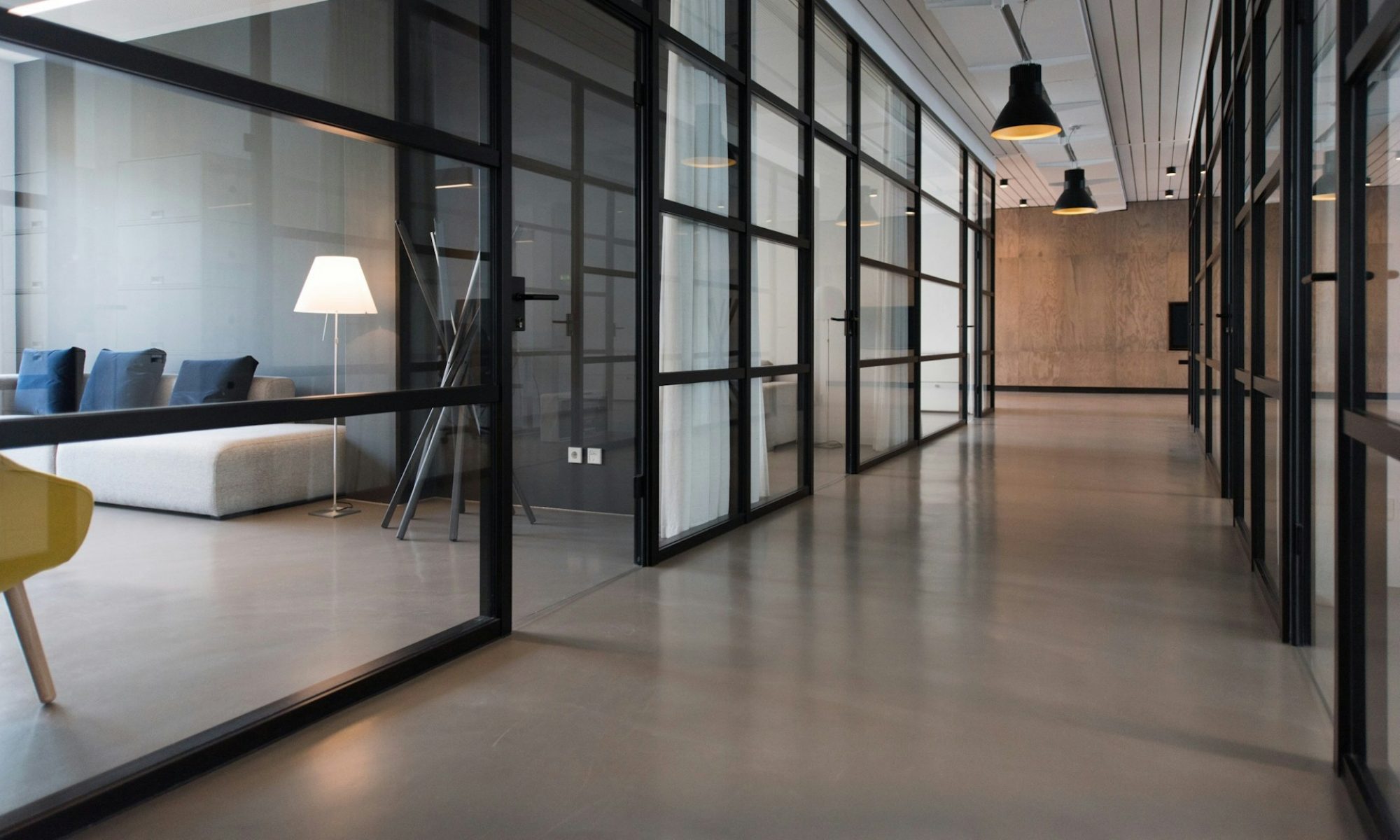

Working in an office or a shared workspace requires volume levels that are different than in social settings.

The Work Environment Volume Scale
In a professional setting, you generally use three volume levels. Anything higher or lower may signal a conflict or problem in the workplace.
| Level | Name | Best Used For… | How it Feels |
| Level 1 | The Huddle | Quick conversation at a desk or public space location. | Aiming your voice only 1–2 feet in front of you. |
| Level 2 | The Collaborative | Standard meeting room or open-plan discussion. | Projecting just enough to reach the everyone sitting at the conference table. |
| Level 3 | The Presenter | Speaking at a podium in a large conference room, banquet room or outside. | Engaging the diaphragm; speaking with strength. |
How to Request a Volume Change
- To a “Loud” Colleague:
- Direct: “[Name], I’m having trouble working on this report with a set deadline. Would you mind dropping the volume?” “Could you move that conversation to the conference room?”
- The “Meeting” Pivot: “This is a great discussion, take a seat.”
- To a “Quiet” Colleague:
- The “Check-In”: “I’m really interested in what you’re talking about. Could you speak up a bit.”
- The Proximity Fix: “Would you like to finish this discussion in the conference room? The noise level here is a bit distracting.”
3. Does Your Volume Change Theirs?
Yes, absolutely. This is a psychological phenomenon known as Vocal Accommodation.
Humans have a natural tendency to mirror the energy and volume of the persons in the conversation. This is a subconscious way of building rapport.
- The “Lowering” Effect: If someone is speaking too loudly, respond in a very calm, controlled, and slightly lower volume. They will often subconsciously lower their own voice to match yours.
- The “Lifting” Effect: If someone is whispering, you will likely find yourself whispering back. If you need them to speak up, maintain a steady, clear Level 2 volume; they will often rise to meet you.