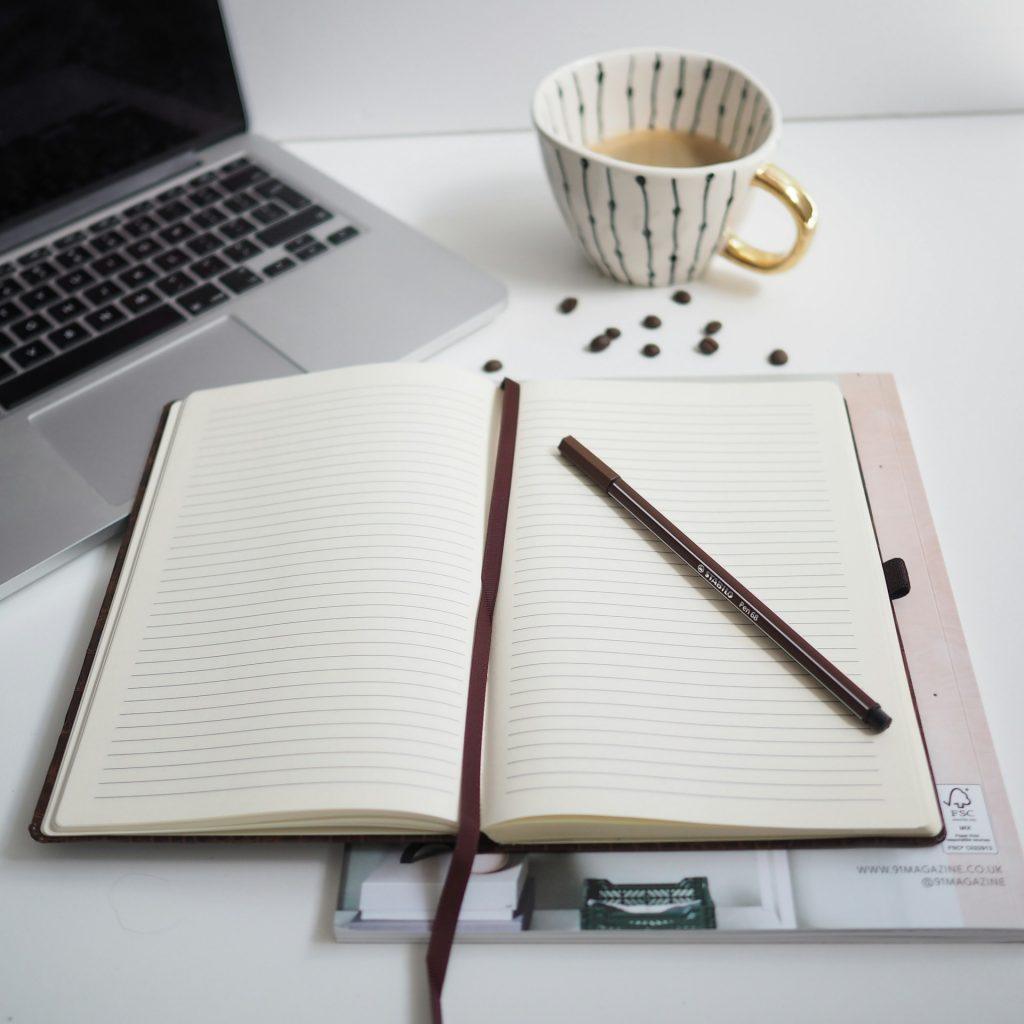
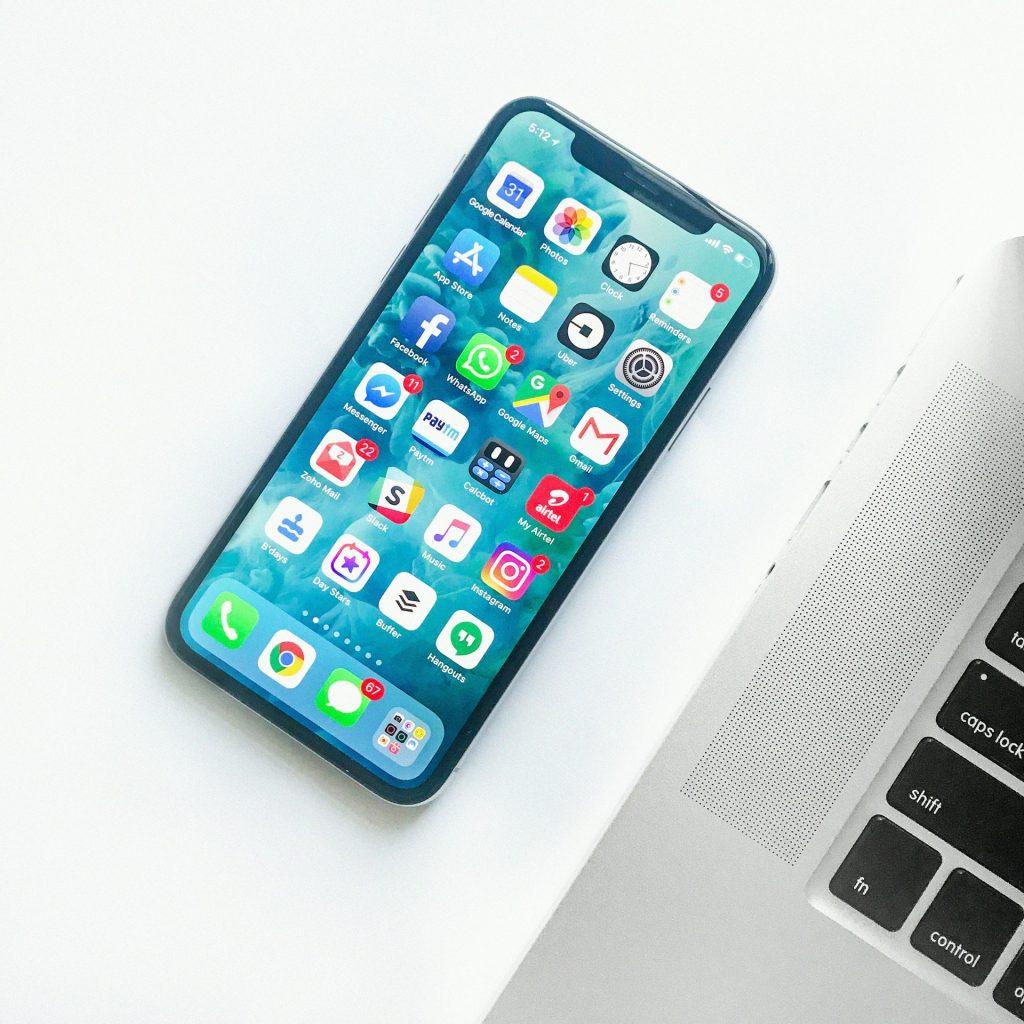
Clean the computer keyboard and the screen of your phone. Think about changing your phone case.

Health Storey Daily for Clients
Clean the computer keyboard and the screen of your phone. Think about changing your phone case.
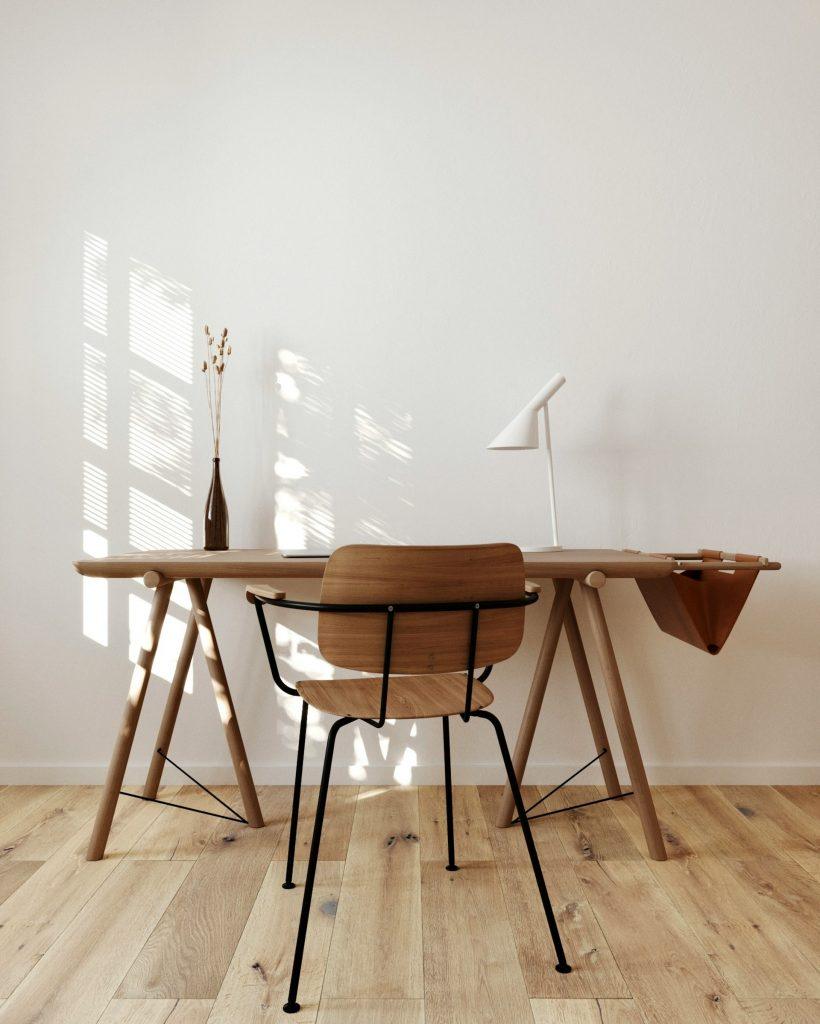
What are we writing about today? Building a calm, productive home office with smart layout, clever storage, and simple maintenance habits that keep clutter at bay—without sacrificing style or comfort.
Monday : Daily Health Storey Goal | Clear off your desktop for one hour.
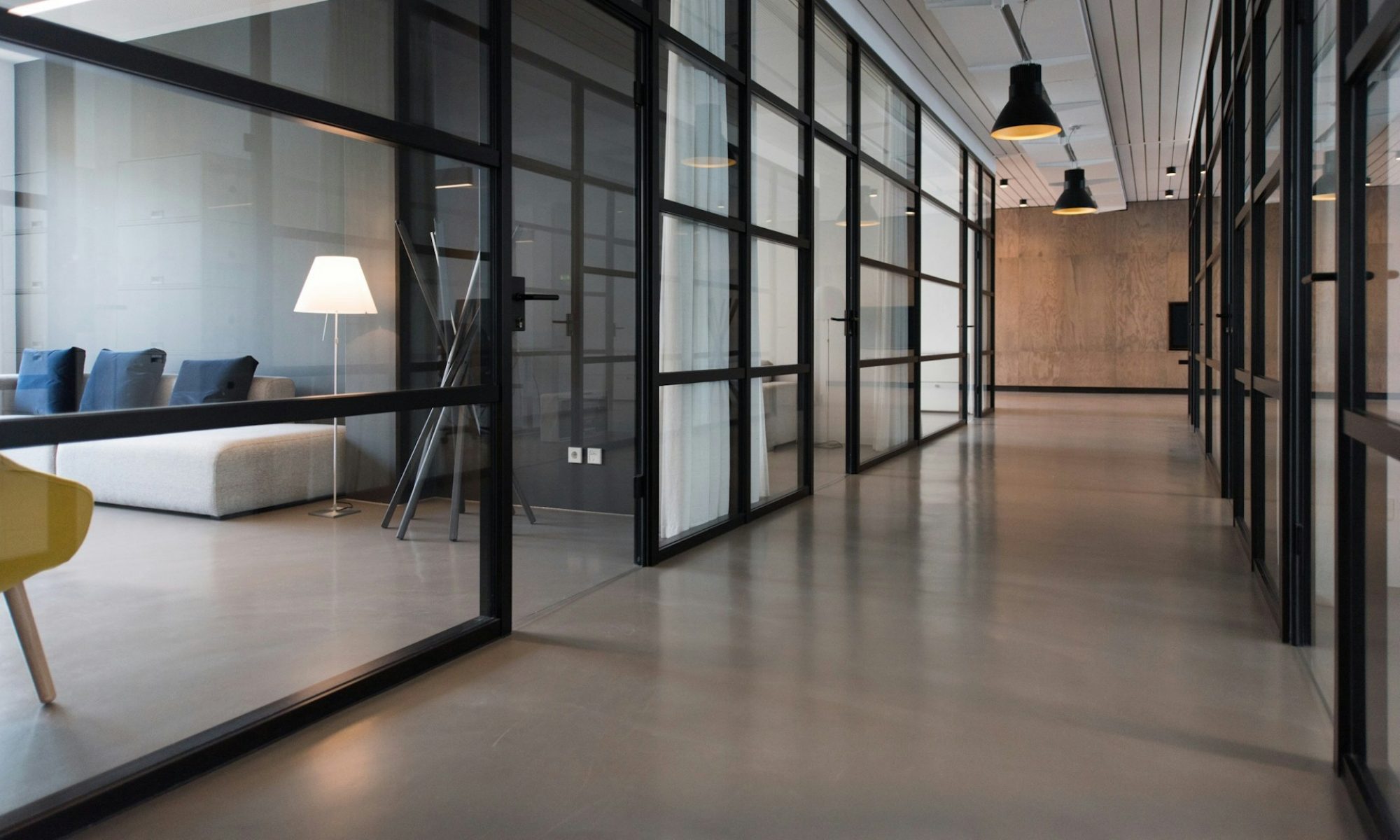
Working from home can blur the line between living space and workspace, which often leads to clutter creep. The goal isn’t a sterile office; it’s a space that feels calm, functions efficiently, and still reflects your personality. Below is a practical guide to designing a home office that stays neat through smart layout, thoughtful storage, and easy maintenance routines.
Title: The Essential Home First Aid Kit: What to Include, How to Store It, and Basic First Aid for Common Home Injuries
Being prepared with a well-stocked first aid kit can make a real difference when accidents happen. A good kit isn’t just about having bandages; it’s about having the right supplies organized so you can act quickly and calmly. This guide gives you a practical shopping list, storage tips, and simple first aid steps for the most common home injuries. If someone is severely injured (heavy bleeding, trouble breathing, chest pain, fainting, head injury with confusion, etc.), call emergency services right away.
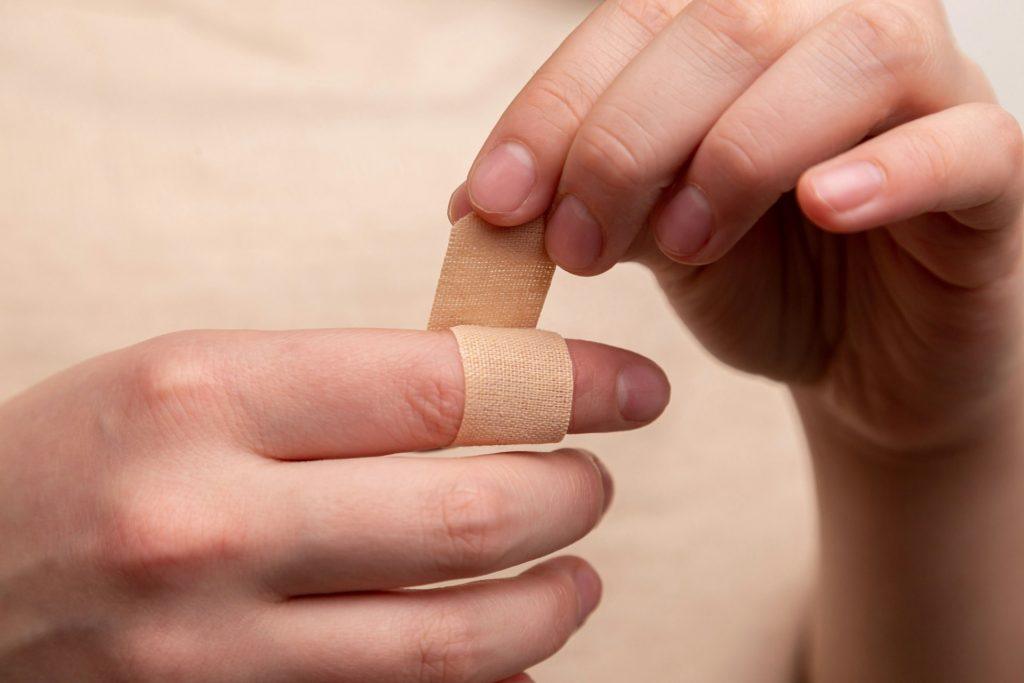
Think in categories: supplies for cleaning and protecting wounds, bandages, tools, medications, comfort items, and documentation. Adapt quantities to the size of your household.
Wound care and dressings
Bandages, tapes, and wraps
Tools
Pain relief, antihistamines, and hydration
Injury care
Kids and Seniors – Designed First Aid Items
Car and travel Kit
Notes

A cluttered bathroom can make mornings chaotic and showers feel less spa-like. The key is to keep only what you truly use, store the rest where it belongs, and choose colors and organizers that reflect calm and cleanliness. Below is a practical guide you can follow to reclaim your space—without turning it into a full-day project.
What to keep in the bathroom (the essentials)
These items belong in the bathroom vanity or medicine cabinet because they’re used daily or weekly and benefit from being close at hand.
Items you can relocate from the bathroom
Where to relocate items that are not essentials
Tips for keeping the bathroom from looking cluttered
Key ideas for “clean-looking” colors
Three ready-to-use palettes (with vibe and how to apply)
Palette A: Crisp & Airy
If you’ve ever felt that your bedroom carries a heaviness or restlessness, the space under the bed might be part of the problem. In many feng shui and energy-focused design ideas, clutter—especially tucked away where you can’t see it—still disrupts the flow of chi. The simple rule: keep the space under your bed empty. Not only can this reduce mental clutter and energy stagnation, it also makes your room easier to clean and helps you sleep more soundly. And yes, the “out of sight, out of mind” tendency is real—when nothing is stored under the bed, there’s nothing to forget about, misplace, or trip over.

Pull everything out from under the bed. Decide what truly needs to stay in your home and what can be donated , recycled, or trashed.
Move seasonal or rarely used items to a closet, dresser, or storage ottoman—preferably with a lid to keep dust out.
For items you must access occasionally, use a high-priority, easily accessible storage solution outside the under-bed zone.
Implement a strict “no items under the bed” rule. If something must be placed there temporarily, set a 24–48 hour move-out reminder.
Build a nearby, tidy alternative
Add a storage option near or at the foot of the bed (a storage bench or a small chest) for linens, extra blankets, or reading materials. This keeps essentials reachable without tucking them under the bed.
Vacuum or sweep under the bed at least once a month to prevent dust buildup. If you have a platform bed with a solid frame, consider a quick wipe-down to keep the space fresh.
Keep the area around the bed clear on all sides.
Ensure the bed has a solid headboard and or is anchored to a wall to enhance a sense of security and grounding.
Use soft, calming lighting and avoid electronics directly under or behind the bed to support restful energy.
Do not store anything under the bed, even temporarily.
Use closed storage (lidded bins, drawers, or cabinets) for items you need nearby but not beneath the bed.
Keep surfaces around the bed uncluttered: nightstands with only a few essentials, a small tray for daily items, and a calm color palette.
If space is truly tight, prioritize a minimal, high-utility approach: one small storage solution near the bed, not under it.
Bed placement matters: position the bed so you can see the door while lying down, but avoid direct alignment with the door. A sturdy headboard adds a sense of security.
Lighting and color: soft, warm lighting and calming colors.
Very short post. I’m doing paperwork. Go and make sure everything is on a hanger, in a box, or in storage. Nothing out of place in the closet.
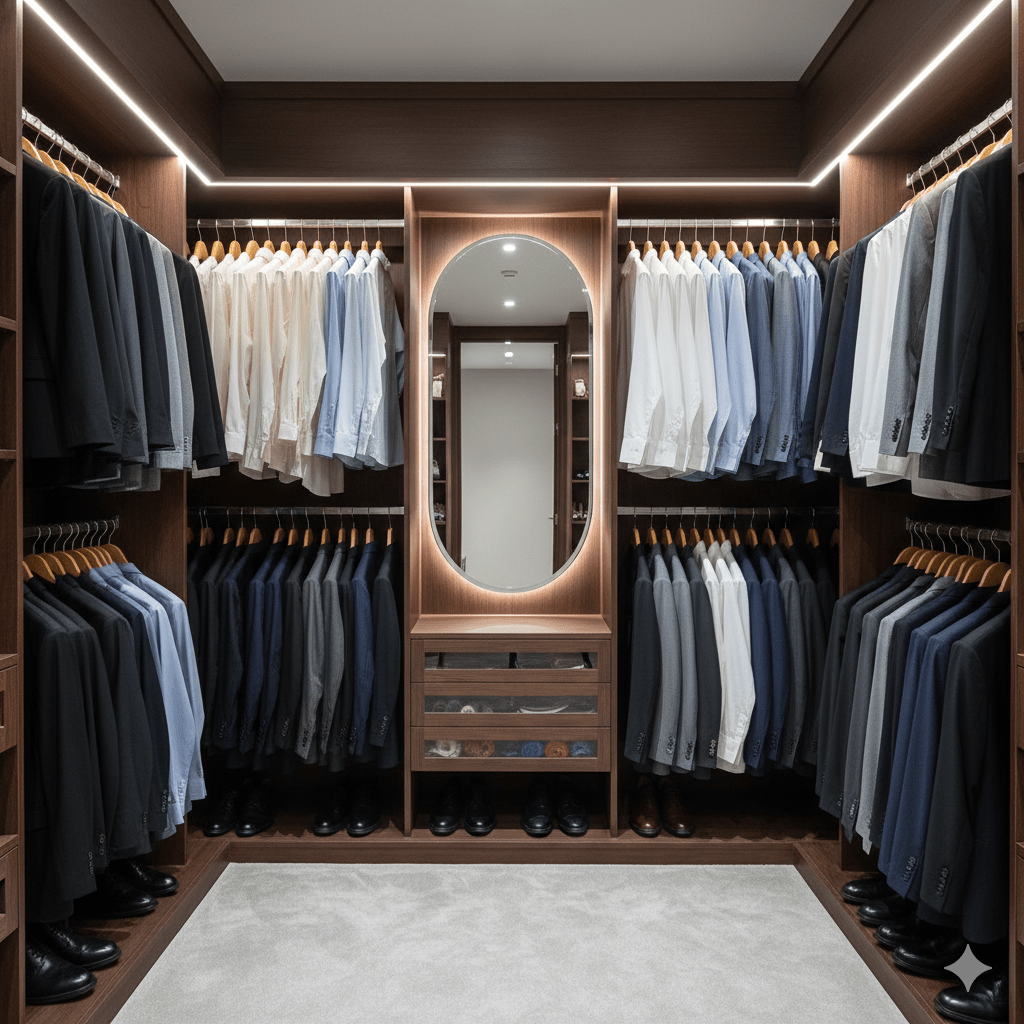
If you’ve ever felt overwhelmed by a closet full of clothes you rarely wear, you’re not alone. A focused, one-hour monthly routine can transform how you dress for work and for home life. The goal is a clear, efficient work capsule you can mix and match with ease, while keeping your casual life wardrobe distinct. Below is a simple, repeatable process you can run every month to sort, prune, and optimize your outfits.

A practical starting point is a two-week work rotation, with a little extra for variety. A common, easy-to-manage target is 14–16 work outfits for a typical two-week cycle.
A 60-minute monthly routine. Use a timer if you like; the goal is a declutter routine you can complete each month.
If you still have time in your monthly hour, organize clothing into capsules and consider new purchases.
Use labeled hangers for work items; keep your work capsule visually distinct from home items.
If you like being organized, keep an inventory of your clothing and items to buy to strengthen your work capsules.
Welcome to Monday! I’m working on the corporate paperwork and training an AI but the cleaning Goal for you and for myself today is:
| Clearing the space around the bed – Decluttering – Getting rid of visual stress |

Did you drink your coffee today? For detoxification, it is important to have coffee in the morning with some dairy. You can have dairy in your coffee or have a piece of cheese. Health Storey Coaches can explain to you the importance of coffee with dairy milk.
Clear Space, Clear Mind: The Importance of Minimal Visual Clutter in the Bedroom (Especially Around the Bed)
If your bedroom feels like a staging room for everything you own, your sleep routine might be paying the price. Visual clutter can drain energy, disrupt relaxation, and even make mornings feel chaotic. The good news? A simple, deliberate approach to keeping the space around your bed free of clutter can transform how you rest, recharge, and wake up. Here’s why it matters and how to make it work in real life.
Why visual clutter around the bed matters
What “clutter around the bed” typically looks like
Step 1: Start with the essentials, then edit
Step 2: Tidy cords and devices
Step 3: Manage books, papers, and clutter hotspots
Step 4: Reassess under-bed storage | We will talk about this again later in the week. |
Step 5: Create a safety-first layout
Step 6: Design for calm
Below is the Newsletter for Week 2 With the Prompts for this week. For some reason, I put them on the newsletter page but did not give you a link yesterday on this site. #growingpains