
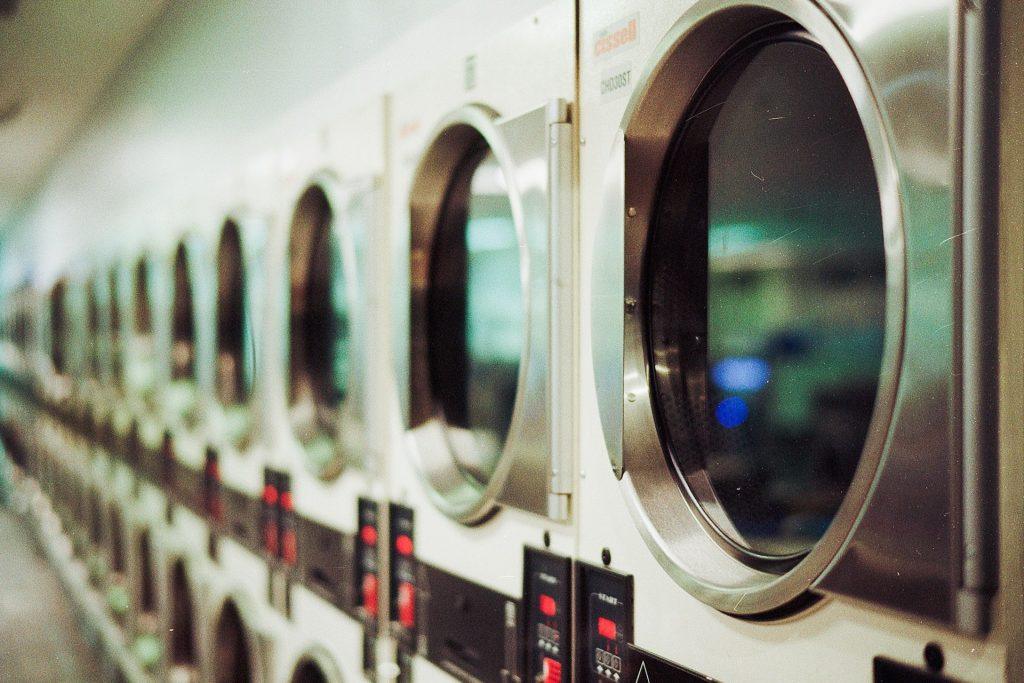
Newsletter | Laundry |Health Storey Goals | No. 3 of 2026

Laundry 101: What to Wash, How to Choose Detergents, and How to Dry Things Right

Laundry Lab: Washing Everything That Belongs in the Washer

Keeping a busy home fresh and organized starts with smart washing and drying habits. In this issue, we simplify what can go in your washer, which detergents to use, and which fabrics should stay out of the dryer or need special care. Quick tip: always check garment care labels first—they’re the best guidance for each item.

Section 1: What can go in the washer

– Everyday cottons and linens: shirts, jeans, towels, bed sheets. Use warm or cold water depending on soil level and colorfastness; wash darks separately from lights.

– synthetics and blends (polyester, nylon, spandex): generally fine on cold or warm cycles; many hold color well.

– Delicates and sweaters: use a gentle or delicate cycle; consider a mesh bag for small items.

– Athletic wear: wash in cold water to protect elasticity; avoid fabric softeners which can reduce moisture-wicking.

– Kids’ clothing and bibs: follow label care; use fragrance-free detergent if there are sensitivities.

– Bedding and bath towels: can often handle warm water; use a longer cycle for bulky items.

– How to sort: by color (lights, darks, bright colors), by fabric type (delicates separately), and by soil level (heavy soils separate from lightly soiled items).

Section 2: Detergents to use

– Types of detergents:

  – Liquid detergents: great for greasy stains and pre-treating; easy to measure.

  – Powder detergents: often cost-effective; good for hard water when paired with a water-softening booster.

  – Detergent pods/pacs: convenient, but use only one per load and keep out of reach of kids.

  – Fragrance-free or dye-free options: better for sensitive skin or households with allergies.

– High-efficiency (HE) washers vs standard machines:

  – If you have an HE washer, use HE detergents. They produce fewer suds and work best with reduced water.

  – If you have a standard washer, regular detergents work fine, but follow the label for the correct amount.

– How much to use:

  – Follow the product label; a typical small-to-medium load often uses less than the cap suggests.

  – For hard water, you may need a little more detergent or a water-softening booster.

– Special boosters (optional):

  – Oxygen-based bleach for whites and color-safe brightening (avoid chlorine bleach on colored fabrics and delicate fibers).

  – Stain pretreaters for tough spots (grease, wine, grass). Test on hidden seam first.

– Tips for sensitive households:

  – Choose fragrance-free, dye-free detergents.

  – Rinse cycles matter; extra rinse can help remove detergent residue that irritates skin.

Section 3: What can be dried in the dryer vs. what should air-dry

– Dryer-friendly items (low to medium heat; shorter cycles help extend life):

  – Most cottons and poly-cotton blends

  – Synthetic fabrics (polyester, nylon blends)

  – Towels and bath sheets

  – Sweatshirts and fleece (watch for pilling)

– Delicates and items to air-dry or lay flat:

  – Wool and cashmere sweaters (lay flat to preserve shape)

  – Silk, satin, and delicate tops (use a lingerie bag or air-dry)

  – Rayon/viscose and some duplex fabrics (check care label; many are air-dry only)

  – Certain knitted patterns and beaded garments (premature shrinkage risk)

– What “dry-clean only” really means for home laundry:

  – Dry-clean-only items should not go in a home washer or dryer unless the care label explicitly says otherwise.

  – If you’re ever unsure, test with a small, inconspicuous area or take to a professional cleaner.

– Practical tips to dry efficiently:

  – Clean the lint screen before every load to maximize drying efficiency.

  – Use the right heat setting: low/air-dry for delicates; medium heat for most cottons; high heat only for sturdy items that tolerate it.

  – Use dryer balls or clean tennis balls to help bounce and reduce drying time for bulky items like towels and blankets.

  – Remove items promptly to minimize wrinkles; fold or hang after they’re dry.

Section 4: Quick home laundry routine templates

– Everyday casual path: cold wash for most colors, gentle cycle for delicates, air-dry or low-heat for delicate pieces.

– Towels and bedding path: warm wash if soil is moderate, longer dry on medium heat, add dryer balls to speed up drying.

Section 5: Troubleshooting tips

– If colors bleed: wash separate for the first few cycles or use color-catching sheets.

– Lingering odors: rewash with a bit more detergent and add a half cup of baking soda to the wash.

– Clothes shrinking after a warm wash: avoid high heat; re-wet, re-shape, and air dry if possible.

– Detergent residue on clothes: add an extra rinse cycle or run an extra rinse on the machine.

Section 6: A quick care checklist

– Always check care labels before washing.

– Sort by color, fabric type, and soil level.

– Use the appropriate detergent and the recommended dose.

– Match water temperature to the fabric and soil.

– Dry items on the recommended setting; avoid high heat on delicates.


Daily Goals for this Week

  • Monday – Clear Desk Space
  • Tuesday – Sort Paperwork
  • Wednesday – Tidy Desk Drawer
  • Thursday – Organize Digital Files
  • Friday – Clean Keyboard
  • Saturday – Create Functional Workspace
  • Sunday – Add personal Touches to work space at work and home

First Aid | Are You Ready For Minor Emergencies?

Title: The Essential Home First Aid Kit: What to Include, How to Store It, and Basic First Aid for Common Home Injuries


Being prepared with a well-stocked first aid kit can make a real difference when accidents happen. A good kit isn’t just about having bandages; it’s about having the right supplies organized so you can act quickly and calmly. This guide gives you a practical shopping list, storage tips, and simple first aid steps for the most common home injuries. If someone is severely injured (heavy bleeding, trouble breathing, chest pain, fainting, head injury with confusion, etc.), call emergency services right away.

What to include in a home first aid kit


Think in categories: supplies for cleaning and protecting wounds, bandages, tools, medications, comfort items, and documentation. Adapt quantities to the size of your household.

Basic home kit

  • First aid manual or quick-reference card (the quick steps you can follow)
  • Sterile gauze pads (4×4 inches and 2×2 inches; several each)
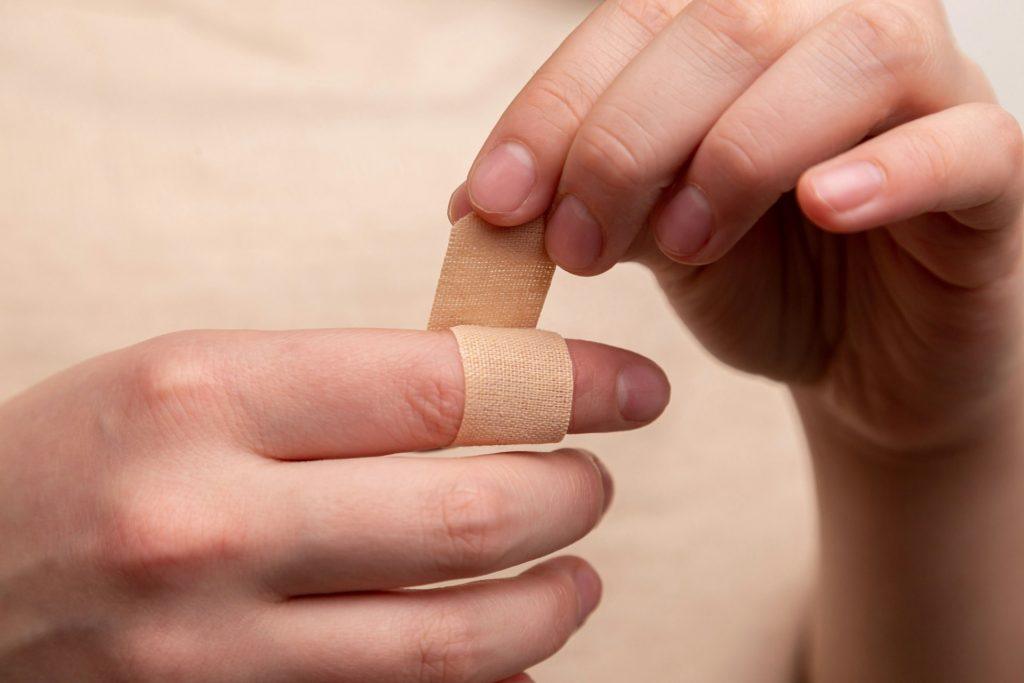
  • Adhesive bandages in multiple sizes (a few large, several small, plus some waterproof)
  • Adhesive tape (medical tape, 1 inch wide)
  • Antibiotic ointment (topical antibiotic) and antiseptic wipes or solution
  • Hydrocortisone cream (1%) for itching and rashes
  • Burn gel or nonstick dressing for minor burns
  • Disposable sterile gloves (nitrile or latex) in at least 2 pairs
  • Scissors (sturdy, blunt-tip) and tweezers
  • Elastic or cohesive bandages (for sprains)
  • Instant cold packs (2–4)
  • Warmth/heat pack (optional for comfort; not a substitute for medical care)
  • Pain relievers/fever reducers (check age suitability): acetaminophen and/or ibuprofen (for adults; pediatric versions if you have children)
  • Oral rehydration salts or a sports drink powder (for dehydration)
  • Saline nasal spray or contact lens solution and/or sterile saline for eye irrigation
  • Thermometer (digital, preferably with a fever range)
  • Washable red safety pin or “triage” pin for securing bandages
  • Emergency contact card with family doctor, local urgent care, poison control, and emergency numbers
  • A small flashlight and extra batteries (good for nighttime needs)
  • A simple, waterproof container or pouch to keep items dry and organized
  • A list of allergies and medications for all household members (keep it updated)

Optional upgrades

  • Additional specialty items: butterfly closures (steri-strips) for small lacerations, a suture removal kit (for trained users—not a substitute for professional care), a CPR face shield or barrier device, a blood glucose meter (if someone in the home has diabetes), and an allergy/epinephrine plan if someone has a known severe allergy (and must-have auto-injector if prescribed)
  • Extra supplies for kids: kid-friendly bandages and gentle skin cleansers
  • A small notebook or wipe-clean sheet to log injuries and actions taken

How to store and organize the kit

  • Pick a single, accessible location: a kitchen cabinet, pantry shelf, or a dedicated closet where clutter is minimal and the kit isn’t exposed to heat or moisture.
  • Choose the right container: a hard-shell tackle box, a small plastic toolkit, or a labeled first-aid chest with clear compartments. The goal is visibility and quick access.
  • Separate zones or containers within the kit:
  • Wounds: gauze, bandages, antiseptics, antibiotic ointment, nonstick dressings
  • Tools: scissors, tweezers, safety pins, tape
  • Medications and burn/relief items: pain relievers, hydrocortisone cream, burn gel
  • Comfort and protection: gloves, instant cold packs, spare blankets or a small nasal saline
  • Documentation and extras: emergency numbers, allergy list, thermometer
  • Label clearly and keep items in their original packaging as much as possible (e.g., medicine bottles with dosage instructions).
  • Check expiration dates regularly (every 3–6 months is a good rule). Replace any expired items and rotate supplies so older items are used first.
  • Keep a simple inventory list on the inside of the kit lid or a small card in the box. Update whenever you add or remove items.
  • Child safety: if you have young children, store the kit in a high, locked cabinet or use a childproof container and teach older kids basic safety about not touching medicines.
  • Car and travel kits: it’s handy to have a smaller, separate kit for cars, workplaces, and travel, stocked with a few essentials (bandages, wipes, wipes, antiseptic, pain reliever, and a small pair of gloves).

Tailoring the kit for your household

  • Families with kids: include more adhesive bandages in kid-friendly sizes, extra antiseptic wipes, a digital thermometer, and age-appropriate pain relief meds with clear dosing on the label.
  • Seniors: consider larger-bandage options, extra elastic bandages, and a few enhanced wound-care items – nonstick dressings, wound-care tape with gentle adhesive.

Printable Shopping Checklist

Wound care and dressings

  • [ ] Sterile gauze pads, 4×4 inches: 20
  • [ ] Sterile gauze pads, 2×2 inches: 20
  • [ ] Nonstick sterile dressings: 4
  • [ ] Adhesive bandages, assorted sizes: 100
  • [ ] Antiseptic wipes or solution: 100-count
  • [ ] Antibiotic ointment (topical): 1 tube
  • [ ] Hydrocortisone cream 1%: 1 tube

Bandages, tapes, and wraps

  • [ ] Medical tape, 1 inch wide: 1 roll
  • [ ] Elastic or cohesive bandages: 2
  • [ ] Safety pins (for securing dressings): 1 small box

Tools

  • [ ] Blunt-tipped scissors: 1
  • [ ] Tweezers: 1
  • [ ] Digital thermometer: 1
  • [ ] Small flashlight with extra batteries: 1 set
  • [ ] First aid manual or quick-reference card: 1
  • [ ] Waterproof storage container or first-aid box: 1
  • [ ] Emergency contact information card (printable): 1
  • [ ] Allergy/medication list (laminated or waterproof): 1

Pain relief, antihistamines, and hydration

  • [ ] Acetaminophen (adult): 1–2 bottles
  • [ ] Ibuprofen (adult): 1 bottle
  • [ ] Oral rehydration salts or electrolyte powder: 1 box
  • [ ] Saline solution for eyes/nasal irrigation: 1 bottle
  • [ ] Hydration remedy for kids (pediatric electrolyte solution) optional: 1 box

Injury care

  • [ ] Instant cold packs: 4
  • [ ] Warmth/heat packs (optional, for comfort): 2
  • [ ] Burn gel or nonstick burn dressings: 2–4
  • [ ] Butterfly closures (steri-strips) for small cuts: 1 package
  • [ ] CPR barrier device or face shield (optional): 1

Kids and Seniors – Designed First Aid Items

  • [ ] Kid-friendly bandages and fun shapes: 1 package
  • [ ] Extra-large or easy-grip bandages for seniors: 1–2 boxes
  • [ ] Pediatric dosing chart

Car and travel Kit

  • [ ] Small, separate travel first aid kit: 1
  • [ ] A few bandages, antiseptic wipes, small gloves, and a mini bottle of antibiotic ointment: include in travel kit

Notes

  • Start with the essentials above; you can add specialty items later as needed.
  • If you have children or seniors, prioritize kid-friendly bandages and age-appropriate medicines with clear dosing labels.
  • Keep receipts and product labels for easy checking of expiration dates.
  • Plan for rotation: mark the opened date on items like ointments or saline, and replace before they expire.
  • Consider adding a small printed quick-reference sheet inside the kit lid for fast guidance.

| Declutter the Bathroom | Daily Goal | On-Ramping

Declutter the Bathroom: Essentials, Smart Storage, Clean-Look Colors, and a 60-Minute Decluttering Plan


A cluttered bathroom can make mornings chaotic and showers feel less spa-like. The key is to keep only what you truly use, store the rest where it belongs, and choose colors and organizers that reflect calm and cleanliness. Below is a practical guide you can follow to reclaim your space—without turning it into a full-day project.

What to keep in the bathroom (the essentials)
These items belong in the bathroom vanity or medicine cabinet because they’re used daily or weekly and benefit from being close at hand.

  • Daily hygiene basics
  • Toothbrush, toothpaste, floss, mouthwash
  • Soap or hand wash, facial cleanser, moisturizer
  • Cotton rounds, Q-tips, cotton balls (store in a small drawer or container)
  • Grooming and personal care
  • Hairbrush/comb, razor and replacement blades, shaving cream or gel
  • Daily skincare products (serums, SPF, etc.)
  • Nail care kit (emery boards, clippers)
  • Towels and washcloths (a small, accessible set)
  • One to two hand towels on a rack; a few washcloths tucked in a basket
  • Cleaning essentials (kept discreetly, but within reach)
  • All-purpose cleaner or bathroom cleaner, toilet bowl cleaner and brush, microfiber cloths
  • Toilet paper (a small stock in the bathroom is handy; bulk rolls can live in a hallway/utility closet)
  • First-aid and medications (in a secure, accessible spot)
  • A small first-aid kit and any daily medications should be stored in a locked or childproof cabinet if children are present
  • Minor storage helpers
  • A small trash can with a liner, a dish or tray for everyday items that live on the counter

Items you can relocate from the bathroom

  • Extra toiletries and household supplies you don’t use daily
  • Extra shampoo, conditioner, body wash, or facial products
  • Extra razors, sunscreen, or cosmetics that you don’t reach for weekly
  • Bulk or seasonal items
  • Spare toilet paper, tissues, or cleaning products that aren’t used this week
  • Hair tools and beauty devices you don’t use daily
  • Hair dryers, curling irons, or straighteners can live in a bedroom closet or dedicated “tools” bin
[pms-restrict]

Where to relocate items that are not essentials

  • A dedicated storage zone for bulk and seasonal items
  • Extra towels, towels for guests, and backup toiletries
  • Extra toilet paper, tissues, and paper towels
  • Off-season or specialty items
  • Spare skincare products you aren’t currently using, travel toiletries, backup razors
  • Cleaning supplies and tools
  • If your bathroom has a separate cleaning supply closet or a utility closet, consider moving bulk cleaners and tools there to keep bathroom surfaces clear
  • Seasonal or aspirational items
  • Extra pampering kits, bath bombs, or decorative items that aren’t used regularly

Tips for keeping the bathroom from looking cluttered

  • Clarity over quantity
  • Only keep items you truly use or love; if you haven’t used it in 6–12 months, consider donating or discarding
  • Clear surfaces = clear mind
  • Limit countertop items to 2–3 everyday essentials; everything else goes into drawers, cabinets, or organizers
  • Smart storage solutions
  • Use drawer organizers, vertical risers, and clear acrylic bins to maximize space
  • Install small shelves or a vanity tray to corral daily items

Grouping and labeling

  • Group like items together (oral care, skincare, makeup) and label containers or drawers
  • A “one-in, one-out” rule
    • When you bring a new product home, remove one older product (expired, duplicated, or never used)
  • Seasonal rotation
  • Rotate items every few months; tuck away items you’re not using in a hall closet or storage bin
  • Keep the “bathtub edge” sacred
    • Avoid placing products directly on the tub ledge or edges; use a tray or decant products into a single, flat tray

Daily reset routine

  • Spend 2 minutes at the end of each day wiping surfaces and returning items to their homes
  • Labeling and visibility
  • Use clear containers and labeled shelves so you can see what you have at a glance

Maintenance plan

  • Schedule a quick weekly tidy (5–10 minutes) to wipe, reorganize, and discard what’s no longer needed

Best colors for a bathroom that reads as clean and fresh

Key ideas for “clean-looking” colors

  • Light neutrals dominate: whites, ivories, and soft grays reflect more light and hide minor water spots.
  • Soft warm neutrals are forgiving: creams, warm beiges, and taupes feel tidy and cozy.
  • Gentle cool tones read as fresh: pale blues, sage greens, and seafoam can feel spa-like and clean.
  • Use contrast sparingly: a darker accent (towels, hardware, or a single feature wall) adds depth without making the space feel cluttered.
  • Finish matters: opt for glossy or semi-gloss on walls/trim for more light reflection and easier wipe-downs; matte finishes hide fingerprints but may show moisture more.

Best color families to consider

  • Whites and off-whites: bright, crisp, and timeless.
  • Light grays: modern, versatile, and great with chrome or nickel.
  • Creams and warm beiges: inviting and less stark than pure white.
  • Soft blues and greens: calm, spa-like vibes that still feel clean.
  • Dark accents (sparingly): navy, charcoal, or matte black for hardware or a single accent wall.

Three ready-to-use palettes (with vibe and how to apply)
Palette A: Crisp & Airy

  • Walls/main color: White #FFFFFF or soft off-white #F8F7F0
  • Cabinets/vanity: Very light gray #F0F2F5
  • Accents: Pale blue #DDEBF9 or seafoam #E3F4F6
  • Textiles/hardware: Chrome or brushed nickel
    Why it works: Reflective surfaces and near-monochrome neutrals make the space feel expansive and ultra-clean.

Palette B: Soft Spa Calm

  • Walls/main color: Cream #FFF5E1 or warm beige #F5EFE5
  • Cabinets/vanity: Sage green or soft olive #A8BF9C
  • Accents: Light aqua #D3F6F3 or soft taupe baskets
  • Textures: Light wood, woven baskets
    Why it works: Warm neutrals with a cool, retreat-like accent create a serene, clean look.

Palette C: Fresh & Modern

  • Walls/main color: Pale blue-gray #DDE7F1
  • Cabinets/vanity: White #FFFFFF or near-white gray
  • Accents: Navy #0F2540 or charcoal for a crisp contrast
  • Countertops/tiles: White with subtle gray veining
    Why it works: Subtle color contrast keeps things visually clean and contemporary without feeling clinical.

General color-use guidelines

  • Distribution: aim for 60–80% your main color (walls/large surfaces) and 20–40% accent color (towels, containers, decor).
  • Large-format tiles help: fewer grout lines means fewer places for dirt to show.
  • Lighting matters: pair colors with good lighting (prefer daylight-balanced bulbs) to keep everything looking bright.
  • Consistency is key: stick to 2–3 colors total for a cohesive, uncluttered look.
[/pms-restrict]

|Daily Storey Goal | Clear Out Under the Bed | January Goals | Coaching Prompt |

Why an Empty Under-Bed Space Supports Feng Shui, Calm, and Better Sleep


If you’ve ever felt that your bedroom carries a heaviness or restlessness, the space under the bed might be part of the problem. In many feng shui and energy-focused design ideas, clutter—especially tucked away where you can’t see it—still disrupts the flow of chi. The simple rule: keep the space under your bed empty. Not only can this reduce mental clutter and energy stagnation, it also makes your room easier to clean and helps you sleep more soundly. And yes, the “out of sight, out of mind” tendency is real—when nothing is stored under the bed, there’s nothing to forget about, misplace, or trip over.

Why keeping the space under the bed empty matters

  • Energy flow and rest: Feng shui emphasizes smooth, unobstructed qi (energy) moving through the room. A clear, open under-bed space is believed to encourage a calmer, more balanced energy in the sleeping area.
  • Mental calm and clutter-free nights: Visible clutter in your field of vision adds cognitive load even if you “don’t see” it during the day. An empty under-bed area reduces reminders of tasks or items that demand mental attention.
  • Easier cleaning and maintenance: Dust, allergens, and negative energy can accumulate in between under bed storage containers. Keeping the space empty makes vacuuming and air circulation simpler, supporting a healthier sleep environment.
  • Better sleep quality: A tidy, uncluttered space around the bed is linked—in feng shui and in many sleep-wocused design guides—to deeper, more restorative rest.

Common objections and smart trade-offs

  • “I need extra storage.” Choose away from the bed storage solutions: a stylish dresser, a storage ottoman at the foot of the bed, or a closet system with labeled bins. The goal is to move storage away from under the bed, not to create chaos elsewhere.
  • “False : Seasonal items won’t fit elsewhere.” Create a rotating plan: designate a labeled bin or shelf in a closet for seasonal items, and commit to rotating them on a schedule to an off-site storage location. It’s a short-term trade-off for long-term calm.
  • “I worry about forgetting what I have.” Instead of under-bed storage, use a visible inventory system in your closet or a digital note on your phone. A quick list or photo catalog can replace the mental load of “what’s under there?”
[pms-restrict]

A practical, step-by-step plan to empty the space


Step One: Clear and Inventory

Pull everything out from under the bed. Decide what truly needs to stay in your home and what can be donated , recycled, or trashed.

Reallocate items

Move seasonal or rarely used items to a closet, dresser, or storage ottoman—preferably with a lid to keep dust out.

For items you must access occasionally, use a high-priority, easily accessible storage solution outside the under-bed zone.


Create a Maintenance Rule and Schedule

Implement a strict “no items under the bed” rule. If something must be placed there temporarily, set a 24–48 hour move-out reminder.
Build a nearby, tidy alternative

Add a storage option near or at the foot of the bed (a storage bench or a small chest) for linens, extra blankets, or reading materials. This keeps essentials reachable without tucking them under the bed.

Design for easy cleaning

Vacuum or sweep under the bed at least once a month to prevent dust buildup. If you have a platform bed with a solid frame, consider a quick wipe-down to keep the space fresh.

Integrate feng shui-friendly touches

Keep the area around the bed clear on all sides.

Ensure the bed has a solid headboard and or is anchored to a wall to enhance a sense of security and grounding.

Use soft, calming lighting and avoid electronics directly under or behind the bed to support restful energy.

Simple rules of thumb for an under-bed-free zone

Do not store anything under the bed, even temporarily.

Use closed storage (lidded bins, drawers, or cabinets) for items you need nearby but not beneath the bed.

Keep surfaces around the bed uncluttered: nightstands with only a few essentials, a small tray for daily items, and a calm color palette.

If space is truly tight, prioritize a minimal, high-utility approach: one small storage solution near the bed, not under it.

Enhancing the bedroom’s energy beyond the under-bed rule

Bed placement matters: position the bed so you can see the door while lying down, but avoid direct alignment with the door. A sturdy headboard adds a sense of security.

Lighting and color: soft, warm lighting and calming colors.

[/pms-restrict]

|Sort Wardrobe| January Daily Goal | One Hour |

One Hour a Month to a Seamless Wardrobe: Build a Work Capsule That Balances Work and Home Life


If you’ve ever felt overwhelmed by a closet full of clothes you rarely wear, you’re not alone. A focused, one-hour monthly routine can transform how you dress for work and for home life. The goal is a clear, efficient work capsule you can mix and match with ease, while keeping your casual life wardrobe distinct. Below is a simple, repeatable process you can run every month to sort, prune, and optimize your outfits.

Why a monthly one-hour wardrobe routine works

  • It’s pragmatic. Thirty to sixty minutes creates a consistent habit and allows you to sort your wardrobe but not invest the day in thinking about each outfit.
  • It keeps you agile. A small, well-curated work capsule makes daily choices faster and reduces stress.
  • It preserves balance. Having a separate weekend wardrobe or after work wardrobe helps you turn off work and focus on your home-life.
  • It adapts to life. You can adjust the size of your capsule by season, workload, or laundry schedule and budget.

Setting up a dedicated work capsule

Create two defined closets or sections:

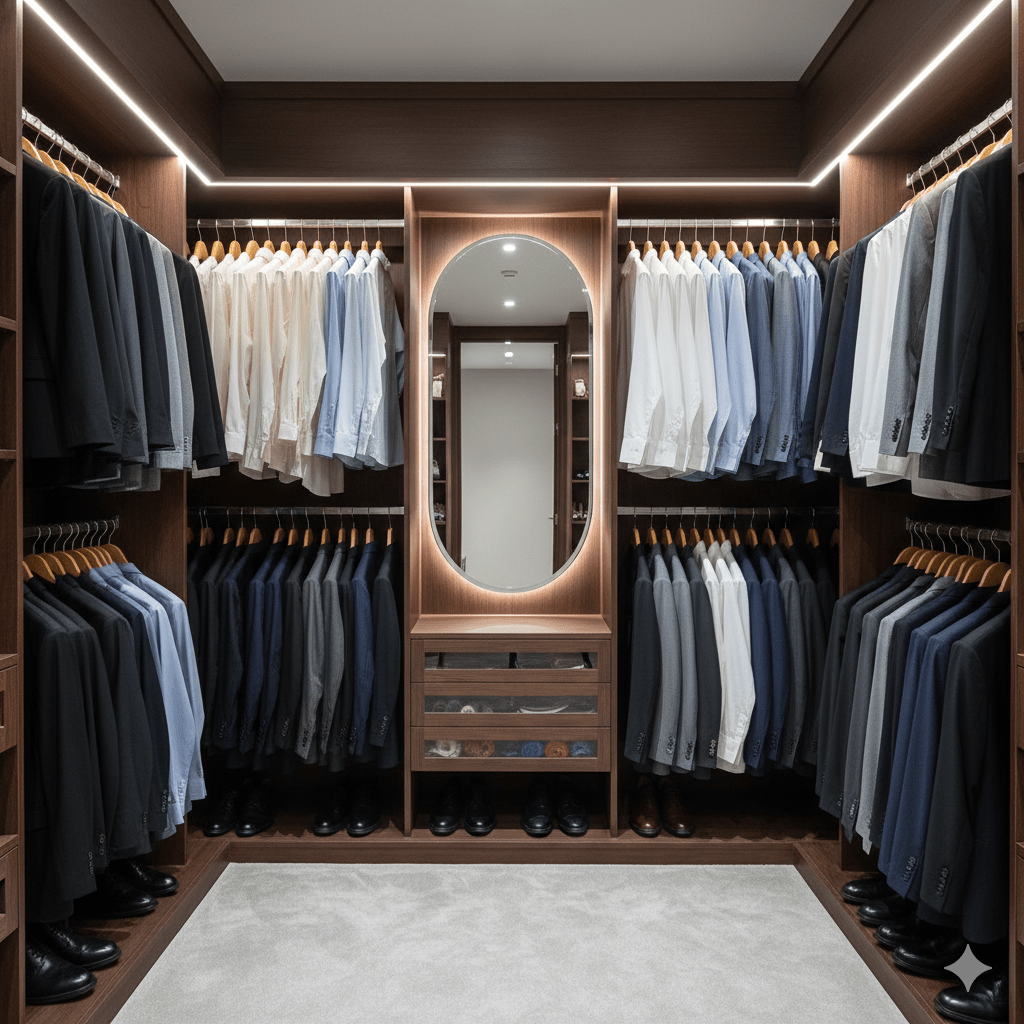
  • Work capsule: only your work-appropriate tops, bottoms, dresses, jackets, and shoes.
  • Home-life wardrobe: casual wear, day wear, weekend wear, gym wear and special event outfits that are too formal for work.

Choose a cohesive color palette:

  • Neutrals you can pair easily | Neutral Colours = black, navy, gray, white |
  • One or two accent colors to keep things interesting

Focus on fabrics and care:

  • Pick fabrics that hold shape and color after washing (poly blends, ponte, wool blends, cotton).
  • Plan outfits that don’t require delicate handling if laundry is limited.

Build with a simple structure:

  • Tops: mostly versatile blouses, shirts, or knits
  • Bottoms: Tailored trousers, dark jeans, skirts
  • Outerwear: 2-3 blazers to make work suits
  • Dresses (women) : suit dresses

Shoes and accessories:

  • 2-3 work-appropriate shoes, loafers, low heels, boots
  • A small set of accessories to add personal style
  • Socks – enough to get through the week without doing laundry
[pms-restrict]

How many work outfits should you keep in the capsule wardrobe?


A practical starting point is a two-week work rotation, with a little extra for variety. A common, easy-to-manage target is 14–16 work outfits for a typical two-week cycle.

Build these outfits from:

  • Tops: 8–10 versatile options.
  • Bottoms: 4–6 pieces (trousers and/or skirts that pair with nearly every top).
  • Outerwear: 2–3 jackets or cardigans to switch up looks without adding a lot of pieces.
  • Dresses (optional): 0–2 if your work style supports it.

Why this range works:

  • It gives you enough variety to avoid repetition while still making laundry, ironing, and maintenance manageable.
  • It creates enough outfits to cover five workdays per week for two weeks, with a little cushion for special events or meetings.
  • It’s flexible: if you wash weekly, you can start with 10–12 outfits and add a couple more as you become confident with the system.

A 60-minute monthly routine. Use a timer if you like; the goal is a declutter routine you can complete each month.

  • Gather all clothes that you think might belong in the work capsule tops, bottoms, jackets, dresses, shoes, and accessories. Remove all clothing items from the wardrobe that you would not wear for work.
  • Remove items that are too stretched, too tight, or worn out.
  • Note items that look dated or are uncomfortable. Place them in storage or in a bag for alterations or sending to Charity.
  • Keep only what fits and aligns with your work goals and work dress code.
  • Keep the work capsule on one side of the closet.
  • Move the home-life wardrobe to the other side of the closet.

If you still have time in your monthly hour, organize clothing into capsules and consider new purchases.

Workspace setup:

Use labeled hangers for work items; keep your work capsule visually distinct from home items.

Build the work capsule:

  • Choose 8–10 tops and 4–6 slacks, jeans, or skirts.
  • Add 2–3 jackets that mix and match with multiple outfits.
  • Add 0–2 dresses if suited to your work environment.
  • Select 2–3 pairs of work shoes

If you like being organized, keep an inventory of your clothing and items to buy to strengthen your work capsules.

[/pms-restrict]

Cleaning Goal | Cleaning Around the Bed | Health Storey January |

Welcome to Monday! I’m working on the corporate paperwork and training an AI but the cleaning Goal for you and for myself today is:

| Clearing the space around the bed – Decluttering – Getting rid of visual stress |

Did you drink your coffee today? For detoxification, it is important to have coffee in the morning with some dairy. You can have dairy in your coffee or have a piece of cheese. Health Storey Coaches can explain to you the importance of coffee with dairy milk.

Clear Space, Clear Mind: The Importance of Minimal Visual Clutter in the Bedroom (Especially Around the Bed)

If your bedroom feels like a staging room for everything you own, your sleep routine might be paying the price. Visual clutter can drain energy, disrupt relaxation, and even make mornings feel chaotic. The good news? A simple, deliberate approach to keeping the space around your bed free of clutter can transform how you rest, recharge, and wake up. Here’s why it matters and how to make it work in real life.

Why visual clutter around the bed matters

  • Sleep quality and stress: A calm, orderly environment signals to your brain that it’s time to unwind. When surfaces are crowded with books, devices, and laundry, your brain has more stimuli to process at a time when it should be winding down. A cleaner visual field can help reduce cognitive load and promote deeper, more restorative sleep.
  • Safety and ease: The bed is the room’s center of comfort, but it’s also a potential trip hazard if cords, shoes, or laundry spill into the floor or nightstands. Keeping the space around the bed clear reduces the risk of stumbles at night and makes it easier to get in and out of bed.
  • Routine and mental clarity: A tidy bedside area supports a smoother evening routine. When you know exactly where the essentials live (lamp, water bottle, a notebook, a charger), you waste less time searching and more time relaxing or drifting off.
  • Ambiance and mood: Clutter clashes with a tranquil mood. A minimal, uncluttered vibe—soft textures, warm lighting, and a cohesive color palette—creates a sanctuary-like feel that’s inviting to rest.

What “clutter around the bed” typically looks like

  • Nightstands overloaded with gadgets, cables, and random papers
  • Cables and chargers sprawling across surfaces or the floor
  • Stacks of books, magazines, or laundry piles near the bed
  • Decorative items that aren’t used for sleep, right at eye level
  • Under-bed storage that’s overflowing or difficult to access
Content Below is for Subscribers to Daily Storey
[pms-restrict]

A practical path to a clutter-free bed space

Step 1: Start with the essentials, then edit

  • Identify 2–3 bedside essentials you actually use within reach (e.g., a lamp, a water glass or bottle, a phone or book, and a small notepad/pen). Anything beyond that is optional.
  • Use a shallow tray or small container on each nightstand for items you want to keep out but corralled (watch, jewelry, coins, remotes). This keeps surfaces visually calm.

Step 2: Tidy cords and devices

  • Create a dedicated charging station away from the bed line (a small shelf or a corded tray at the foot of the bed works well). Use cord organizers or a simple rubber grommet to route cables neatly to a power strip.
  • Consider wireless charging for fewer cables on the nightstand, but don’t let the charging clutter migrate to the floor or be visible as a tangle.
  • If you don’t need a device at bedtime, place it out of arm’s reach or in another room to reduce wakeful scrolling.

Step 3: Manage books, papers, and clutter hotspots

  • Limit the number of books or magazines in the bedroom. If you have stacks, move them to the living room or other rooms for storage. Rotate a single “current read” and place others neatly in a low, closed-storage bin or on a shelves by category.
  • No paper in the bedroom. Place a small filing tray or a magazine holder near the door on a dresser or in a closet to deal with papers and get them to where they can be filed or properly stored. Recycle or scan what you don’t need to keep in physical form.

Step 4: Reassess under-bed storage | We will talk about this again later in the week. |

  • A clear under-bed area feels instantly more open. If you need storage, choose flat, uniform containers that slide easily and label them. Avoid dark, bulky bins that invite you to shove more items under there.

Step 5: Create a safety-first layout

  • Keep walkways clear. A clear path from the bed to the door reduces bumping into furniture in the dark and breaking your foot.

Step 6: Design for calm

  • Embrace a neutral colour palette and soft textures. Neutral walls, low-contrast bedding, and minimal décor help the room stay calm.
  • Choose warm light bulbs. A single bedside lamp with a warm bulb sets a soothing and calming room lighting.
  • Add one plant that likes being near humans and recycling our air quality.

Practical routines to keep clutter at bay

  • Before bed, set a timer and put away items, straighten the nightstand and make sure there is nothing random on the floor. It’s quick, and you’ll wake to a tidy space.
  • One-in, one-out rule: For every new item that comes into the bedroom (a book, a gadget, clothing), remove another item. This keeps accumulation under control.
  • Daily laundry: Place dirty clothes in a hamper or in the washer and away from the bed to prevent piles from forming on the floor or chair.

Quick wins for Cleaning

  • Replace a cluttered nightstand with a single tray and two essentials: a small lamp and a water bottle. Remove all other items.
  • Install a cable management solution (cord clips, a shallow tray, or a small box) to hide or organize charging cables.
  • Clear the floor around the bed on each side.
  • Use dedicated closet storage or storage furniture to keep items that are required for bedroom storage.
[/pms-restrict]

Day Seven | On-Ramping | Clean Kitchen Countertops | Create a Hand Washing Station

Clean Kitchens, Clear Minds: Why Clean Surfaces, Rinsed Produce, and Hand Hygiene Station

Between planning your year and juggling a million little details, a tidy, hygienic kitchen can feel like a stress-reliever, not a chore. A clean environment isn’t just about appearances—it helps reduce cross-contamination, supports safer food prep, and leaves you with one less thing to worry about on a busy day. Here’s a practical guide to keeping your kitchen surfaces clean, understanding the germs that linger, and mastering the basics of rinsing food and washing hands.

A clean environment begins with clean surfaces

  • Start with daily cleaning: Everyday cleaning removes dirt and many germs. Use hot, soapy water to wipe down counters, cutting boards, and utensils after you finish preparing each food item. This is a foundation step before any sanitizing. (cdc.gov)
  • When to disinfect: Cleaning is often enough, but you may choose to disinfect high-touch surfaces with a specific cleaning spray. Trefuly uses a pink grapefruit smelling all purpose cleaner and a scratch free powder cleanser to clean the countertops.

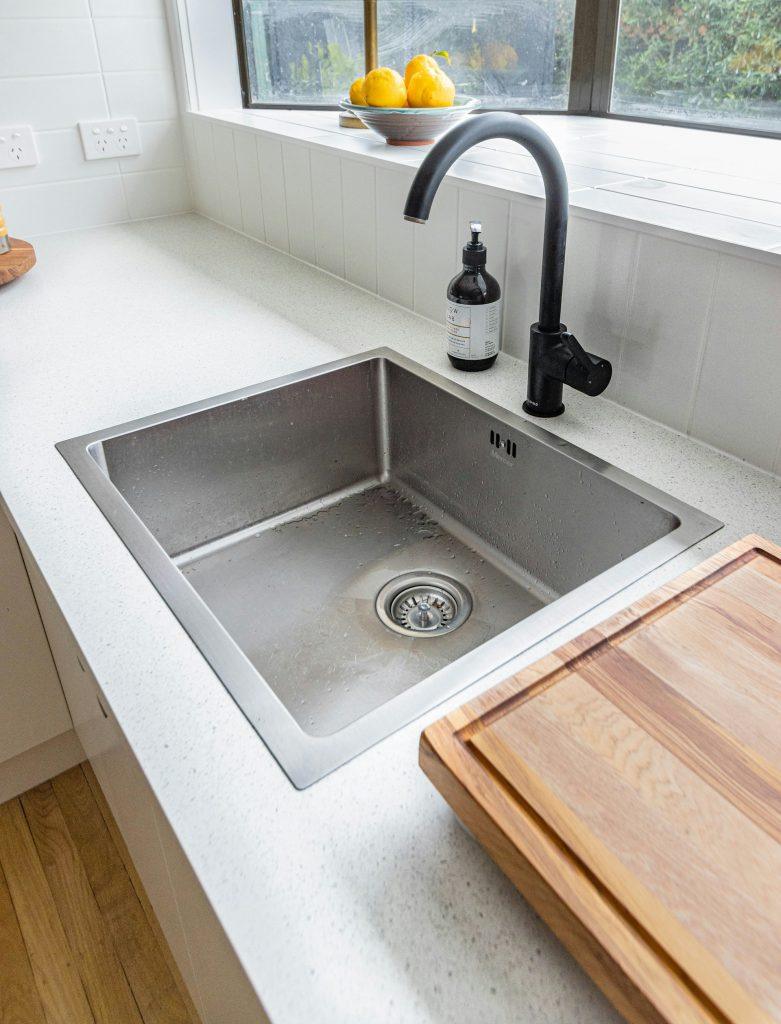
Establish a Convenient Hand Washing Station Beside Your Kitchen Sink

The kitchen sink is a hub of activity, not just for dishwashing but often for food preparation and general cleanup. Creating a dedicated hand washing station right next to it can significantly enhance hygiene, convenience, and efficiency in your kitchen routine. No more reaching for the bathroom or contaminating food prep areas – everything you need for clean hands is precisely where you need it.

Why a Dedicated Hand Washing Station?

  • Immediate Access: Wash hands instantly before, during, and after handling food, or after touching raw ingredients.
  • Enhanced Hygiene: Reduces the risk of cross-contamination by keeping hand washing separate from dishwashing within the same zone.
  • Streamlined Workflow: Saves time and effort, making hand hygiene a seamless part of your kitchen tasks.
  • Encourages Frequent Washing: Its prominent placement serves as a constant reminder to wash hands regularly.

What You’ll Need to Set Up Your Station:

  1. Quality Hand Soap:
    • Choice: Opt for a gentle, moisturizing liquid hand soap that cleans effectively without drying out your skin. Foaming soaps can also be a good choice for quick rinsing.
    • Dispenser: A refillable pump dispenser is ideal. Consider one that matches your kitchen aesthetic – ceramic, glass, or stainless steel options are popular. Touchless dispensers offer an extra layer of hygiene.
  2. Convenient Drying Method:
    • Small Hand Towel: Dedicate a small, absorbent hand towel specifically for drying hands. Choose a color or pattern distinct from your dish towels to avoid confusion.
    • Placement: Use a small towel ring, hook (adhesive or screw-in), or a countertop stand placed within easy reach of the sink.
    • Frequency: Ensure you have multiple towels on rotation, changing them daily or as needed to prevent bacteria buildup.
  3. Optional Enhancements for an Elevated Station:
    • Hand Lotion: Keep a small bottle of your favorite hand lotion nearby to moisturize after washing, especially if you wash your hands frequently.
    • Small Tray or Caddy: A waterproof tray or caddy can stylishly organize your soap dispenser, lotion, and perhaps a small scrubbing brush or nail brush, keeping the area tidy and protecting your countertop from drips.
    • Nail Brush: For thorough cleaning under fingernails, a small, dedicated nail brush can be a valuable addition.

Tips for Placement and Maintenance:

  • Strategic Location: Place your soap dispenser and drying method on the most accessible side of the sink – typically the side closest to your primary food prep area.
  • Keep it Clean: Regularly wipe down the area around your hand washing station to prevent soap scum and water stains. Wash or replace hand towels frequently.
  • Refill Promptly: Don’t let your soap dispenser run empty! Keeping it stocked ensures consistent hygiene.

By investing a little thought into creating a dedicated hand washing station, you’ll not only elevate the cleanliness of your kitchen but also promote healthier habits for everyone who uses it.

Please look for the Health Storey Newsletter for this week’s goals.

|Day Six | Organize the Refrigerator and Add a Content List to Front Door | On-Ramping

Transforming Your Refrigerator into a Central Command Center: On-Ramping Goals & Meal Prep Inventory

Your refrigerator door isn’t just for displaying takeout menus or magnet souvenirs; it’s prime real estate for practical organization. By leveraging its highly visible surface, you can transform it into a dynamic command center for both your project goals and your kitchen inventory. This method ensures crucial information is always front-and-center, fostering accountability and reducing food waste.

The Power of the Fridge Door as an Information Hub

Placing important lists on the refrigerator door works because:

  • High Visibility: It’s a household appliance everyone interacts with multiple times a day. You can’t ignore it.
  • Constant Reminder: Visual cues reinforce intentions and prevent tasks or ingredients from being forgotten.
  • Shared Access: It’s easily accessible for all household members, promoting collective awareness and participation.

On-Ramping Goal List: Visualizing Progress

Whether you’re “on-ramping” a new fitness routine, a complex work project, a new household habit, or even a new family member into a routine, displaying the goals visibly can significantly boost momentum and clarity.

Why the Fridge?
For any new initiative, consistency and clarity are key. A constantly visible goal list on the fridge serves as a daily reminder of what needs to be done, the next steps, and the overall objective, preventing drift and maintaining focus.

How to Implement Using Post-its, Whiteboards & Magnets:

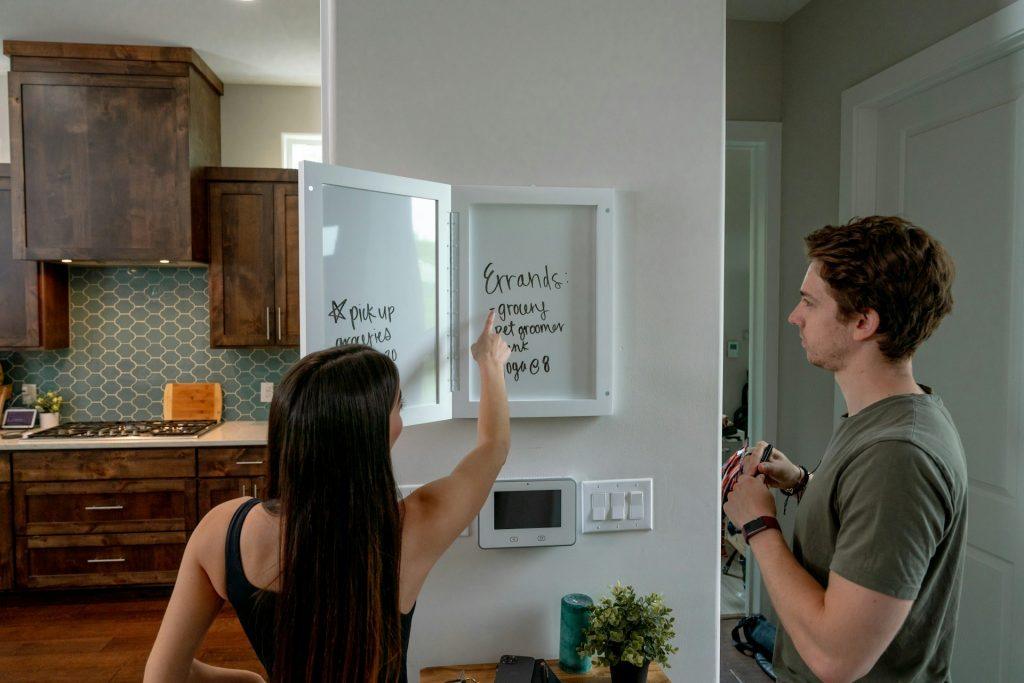
  • Dedicated Whiteboard Section: Dedicate a small magnetic whiteboard or a section of a larger one specifically for your “On-Ramping Goals.”
    • Structure: Title it clearly (e.g., “Project X On-Ramp,” “New Habit Launch,” “Family Chore Integration”).
    • Milestones: List major phases or key milestones using a dry-erase marker.
    • Dates: Add target dates for each milestone.
  • Post-it Note Task Breakdown: For actionable steps within each milestone:
    • Individual Tasks: Write each specific task on a separate Post-it note.
    • Color-Coding: Use different colored Post-its for different categories of tasks (e.g., green for completed, yellow for in-progress, pink for next steps).
    • Movement: As tasks are completed, move the Post-it to a “Done” section on the whiteboard or simply remove it.
  • Magnetic Indicators: Use small, distinct magnets to:
    • Highlight Priority: Place a star magnet next to the most urgent task.
    • Indicate Owner: Assign different shaped magnets to different family members responsible for a task.
    • Track Progress: Move a magnet along a linear goal path drawn on the whiteboard.

Example Content:

  • Whiteboard Header: “Body Renovation Project – Phase 1”
  • Whiteboard Milestones:
    • Week 1: Research & Inspiration
    • Week 2: Budgeting for Renovation
    • Week 3: Final Action Plan

2. Meal Prepping Contents: Mastering Your Inventory

For those who meal prep, knowing exactly what’s in your fridge (and when it needs to be used) is a game-changer for reducing food waste, saving money, and streamlining cooking.

Why the Fridge?
Instead of rummaging through containers, an external inventory provides an instant overview of prepared meals, ingredients needing to be used, and their freshness status, making meal selection and future planning much easier.

How to Implement Using Post-its, Whiteboards & Magnets:

  • Dedicated Whiteboard Section: Reserve a section of your fridge door whiteboard for “Fridge Contents” or “Meal Prep Inventory.”
    • Columns: Draw columns for “Item,” “Quantity,” and “Use By/Prep Date.” Think about creating a spreadsheet to print for the door.
  • Post-it Note Item Tracking: This is where Post-its shine for dynamic inventory management.
    • Each Item, One Note: When you prep a dish or store a specific ingredient (e.g., “Grilled Chicken Breast,” “Chopped Bell Peppers,” “Lentil Soup”), write it on a Post-it.
    • Date Added/Use By: Crucially, add the date it was prepped or the “use by” date.
    • Location: You can even note which shelf it’s on (e.g., “Top Shelf – Left”).
    • Removal: Once an item is consumed or used up, simply peel off and discard the Post-it.
  • Magnetic Categories/Indicators:
    • “Eat First” Magnet: Use a distinctive magnet (e.g., a bright red one) to highlight items that are nearing their “use by” date and need to be prioritized.
    • Section Dividers: If your whiteboard is large, use magnetic strips to divide sections for “Cooked Meals,” “Prepped Veggies,” “Sauces,” etc.
    • Quantity Markers: Small number magnets could indicate the number of servings or portions remaining.

Example Content:

  • Whiteboard Header: “Fridge Inventory – Week of Oct 2”
  • Post-it Notes:
    • “Chicken Stir-fry (2 serv) – Ppd Oct 1” (with a “Eat First!” magnet)
    • “Hard-boiled Eggs (x6) – Ppd Sept 30”
    • “Chopped Carrots – Ppd Oct 1”
    • “Quinoa (3 cups) – Ppd Sept 30”
    • “Broccoli Florets – Fresh”

By consistently utilizing your refrigerator door with these simple yet effective tools, you create a visual management system that supports goal attainment and optimizes your kitchen workflow, turning a common appliance into an indispensable organizational asset.