
40 Day Lent Starts on Wednesday February 18, 2026

Today, Clean out your washer and dryer. Below are some tips on cleaning out both machines and some maintenance suggestions:

Clean the Washer

  • The Tub Clean: Most modern washers have a “Tub Clean” cycle. If yours doesn’t, use the Heavy Duty or Whites setting with the hottest water available.
  • The Cleaning Agent: Use a specialized washing machine cleaner tablet, or substitute with 2 cups of white vinegar poured directly into the drum.
  • The Gasket (Front-Loaders Only): This is the rubber ring around the door. Wipe it down with a 1:1 solution of vinegar and water. Be sure to peel back the folds to find trapped hair, coins, or slime.
  • The Filter: Locate the small hatch at the bottom front of the machine. Place a towel down, unscrew the filter, and rinse out the debris.

Clean the Dryer

  • The Lint Screen: Beyond emptying it after every load, wash the screen with warm soapy water once a month. Dryer sheets can leave a waxy film that restricts airflow even if the screen looks “clean.”
  • The Housing: Use a vacuum hose attachment to reach into the slot where the lint screen sits. You’d be surprised how much lint bypasses the trap.
  • The Drum: Wipe the interior drum with a microfiber cloth and a bit of rubbing alcohol or stainless steel cleaner to remove any transferred dyes or wax from dryer sheets.
  • The Exhaust Vent: At least once a year, disconnect the large silver hose from the back of the dryer and vacuum it out, or use a vent cleaning brush kit to clear the path to the outside wall.

Maintenance Tips

ComponentActionFrequency
Washer DoorLeave it propped open after use to prevent mold.Every load
Detergent DrawerPull it out and rinse away “goop.”Monthly
Dryer VentInspect the exterior flap for airflow.Seasonally

Checklist for Valentine Date Night | February Goals | Daily Goal

Valentine’s Date Night Disaster-Proof Checklist

Logistics and day-of prep

  • Time and meeting point: confirm time, place, and a simple plan for how you’ll get there.
  • Dress for the moment: outfit planned for activity and weather; have a backup outfit option if plans shift.
  • Transportation plan: rideshare, parking, or transit; know the best drop-off/exit points and surge pricing.
  • Quick date-night kit
  • Phone charger or portable battery
  • Mints/gum, lip balm
  • Tissues, hand sanitizer
  • Small first-aid basics including band-aids and pain reliever
  • Essentials on hand: wallet, ID, insurance card, and a small amount of cash for tips or in case credit card is not working / scanning / phone dies.
  • Safety and boundaries: share your location with a trusted friends.
Valentine Date

If something goes wrong

  • Late or miscommunication: send a quick check-in text, propose Plan B, or a simple, honest renegotiation of plans.
  • Venue issues or cancellations: have the backup option ready (another nearby place or a quick alternative activity).
  • Too intense romance or pressure: acknowledge pacing and suggest a lighter option or a short wrap-up with a plan for a later, more relaxed date.
  • Feeling unsafe or uncomfortable: exit politely and prioritize your safety (call a friend, switch venues, or end the date).

After the date

  • Follow-up timing: send a brief message within a few hours to share appreciation and next steps.
  • If you want to see them again: propose a concrete, low-pressure plan by text.

Have a wonderful Valentine’s Date!

An Outdoor Date | February Goals | Valentine’s Day

What to do when your significant other is not an outdoor kind of person:

– Create a low-pressure, shelter-forward outdoor experience: think comfort – warmth, shade, shelter, good vibes, and easy transitions back indoors.

– Start with something indoors and adjacent to nature.  A warm café, greenhouse, or museum café where you can then move to a short outdoor activity, and can return to an indoor environment for a light meal or a coffee.

Plan with these three simple date Segments

– Beginning of the date is an indoor-friendly start: A comfortable place to meet and chat such as in a coffee shop with seating, a greenhouse café, or a museum café.

– The main part of the date is a sheltered outdoor activity: Choose something outdoors or outdoor like with built-in shelter and options for pausing such as benches  or a covered patio.  

– The end of the date goes back indoors: Go back to the original cafe or go to a dessert shop, a bookstore cafe, a lounge with heaters.

Hybrid date ideas 

Garden + cafe: Visit a botanical garden or conservatory then wander to the on-site cafe for cocoa or coffee.

Park stroll with shelter breaks: Pick a scenic park, plan 20 minutes of strolling, then pause under a pavilion or in a landscaped garden, with hot drinks in a thermos.

Greenhouse + snack hop: Explore a large greenhouse or plant conservatory, then head to a nearby bakery or cafe patio.

Museum or gallery + outdoor sculpture loop: Do a short indoor exhibit, then place time for a stroll through an outdoor sculpture garden or courtyard.

Farmers market stroll + indoor tasting: Walk the outdoor stalls, then duck into the market’s indoor food hall or a nearby cafe to regroup.

Waterfront boardwalk with shelter: A light stroll along the water, stopping at a sheltered pier or covered seating with a warm drink.

Build in one natural transition back indoors for comfort. Don’t force the entire date to stay outside.

Have a plan B for weather: a nearby indoor option within 5–10 minutes of the outdoor activity.

Conversation and connection

– Start with low-pressure topics: favorites about indoors vs outdoors, your ideal “cozy day,” or recent small joys.

– Balance the flow: mix light, playful questions with a few meaningful prompts to gauge compatibility.

– Plan a non-awkward close: finish with a warm drink or dessert and a simple “Would you be up for a similar plan next time or maybe try X next time?”

Quick invitation wording

– Casual: “Hey, want to do a short, cozy outdoor/date-adjacent plan this Saturday? We’ll start with coffee, stroll through a sheltered garden area, and finish with a warm treat indoors if it’s chilly. What do you think?”

Specific + respectful: “If the weather’s nice, I thought we could meet for coffee, walk through the botanical conservatory, and end with hot chocolate at a café.

If weather or plans go off-script

– Rain plan: move indoors to a cafe or bookstore with a light outdoor stroll in covered areas; or swap to an indoor museum date.

– Cold or wind: shorten the outdoor segment, focus on sheltered spots, and linger at a warm cafe or greenhouse.

– If interest wanes, gracefully switch to a more indoors-friendly activity in the same venue.

Make a Digital Coupon For A Person in the Family

Chore / practical help

  • Free car wash and interior detailing such as washing, vacuuming, cleaning the windows, and waxing the exterior.
  • One lawn mowing or a yard cleanup session
  • Errand-run day I’ll pick up groceries or run a specific errand.
  • Household chore pass you pick a chore I’ll take care of for a day
  • Tech help hour such as setting up a new device, organizing files, fixing a hiccup.

Food and drink

  • Breakfast in bed such as a tray with coffee/tea and some toast.
  • One homemade dinner night where the person gets to pick the menu or you surprise him.
  • Craft beer or coffee tasting at home.
  • Dessert night

Experiences and fun

  • Movie or game night, with snacks you choose
  • Co-op video game session where they get to pick the game.
  • Outdoor adventure day hike, bike ride, or a shore stroll.
  • Local outing to a new restaurant.
  • Sporting event

Pamper Coupons

  • One-on-one date night out of the house.
  • Home spa night using face masks, or a relaxing foot soak bath prepared and ready for them with a good movie to watch while their feet soak.
  • Unplug and unwind with a tech-free night with a simple activity planned.

How Many to Make

  • Keep 8–20 coupons to start. Make only as many as your budget can handle.
  • Include a mix of small, thoughtful gestures and a couple of bigger experiences.

Ready-to-use coupon wording to use on paper or digital coupons.

1) Traditional coupon
Coupon for: __________
Good for: __________
Expires on: __________
Redeemed by: __________

2) Specific activity coupon
This coupon entitles the bearer to: __________
Details: I will __________
Valid until: __________

3) Gratitude/theme coupon (great for a relationship)
A small token of appreciation for you, because: __________
Redeemable for: __________
Expiration: __________

Optional design and presentation tips

  • Card stock: Print on thick cardstock or cut into sturdy rectangular cards
  • Design: Keep it simple. Use his favorite colors, a clean font, and a short tagline.
  • Personal touches: Add a nickname, inside jokes, or small illustrated icons for each coupon.
  • Packaging: Bundle 6–12 coupons with a ribbon, or tuck them into a small gift envelope or a homemade coupon book.

What Kind to Include & How many to include and how to offer them

  • For a special occasion such as birthdays and anniversaries 12 to 20 coupons plus one weekend road trip.
  • Precise language and terms he’ll understand.
  • Valentine’s day Gift Coupon. Make coupons to equal what you would spend on a valentine’s present or evening out.

DIY | Energy Bars | 2 Recipes | Daily Goal | Valentine Prep |

Here are five distinct energy bar recipes you can make at home. All are no-bake, fairly quick, and yield about 12 bars each (cut to about 2×3 inches). They’re adaptable for allergies and preferences.

Almond Coconut Date Energy Bites / Bars

Yield: Depends

Total time: 60 minutes with overnight resting time not included

Ingredients:

1 1/2 cups dates, pitted

1 cup almonds

1/2 cup shredded unsweetened coconut

1–2 tablespoons coconut oil

Pinch salt

1 teaspoon vanilla extract

Instructions:

In a food processor or hand blender, blend dates until a sticky paste forms.

Add almonds, coconut, salt, vanilla, and coconut oil to the dates and pulse until finely chopped and well combined.

Scoop onto parchment and let chill for energy bites. Press into rectangles for energy bars.

Chill overnight then package to eat for breakfast or light lunch.

Tips:

Add dried fruit or honey for sweetness.

Add nut butter for more protein.


Cranberry Orange Pistachio Bars

  • Yield: Depends
  • Total time: 60 minutes

Ingredients:

  • 1 1/2 cups rolled oats (135 g)
  • 1 cup dried cranberries (125 g)
  • 1 cup pistachio kernels roughly chopped
  • Zest of 1 orange
  • 1/3 cup orange juice
  • 2 tablespoons lemon or orange zest (optional)
  • 2 tablespoons coconut oil
  • Pinch salt

Instructions:

  • In a large bowl, combine oats, cranberries, pistachios, orange zest, and salt.
  • In a small pan, warm orange juice with coconut oil until smooth; pour over dry mix and stir to combine.
  • Press firmly into a lined pan to create bars and chill overnight.

Storage and variations

  • Storage: Keep bars in an airtight container in the refrigerator for up to 1 week; they’ll freeze well for up to 1 month.

Substitutions:

  • Use gluten-free oats if needed to make them GF.
  • For vegan options, swap honey for maple syrup and choose plant-based butters.
  • Swap nuts/seed types as desired to suit allergies or taste.

Valentine Prep | Create a Photo Collage

Create a Photo Collage | Digital or using prints | Valentine Day |

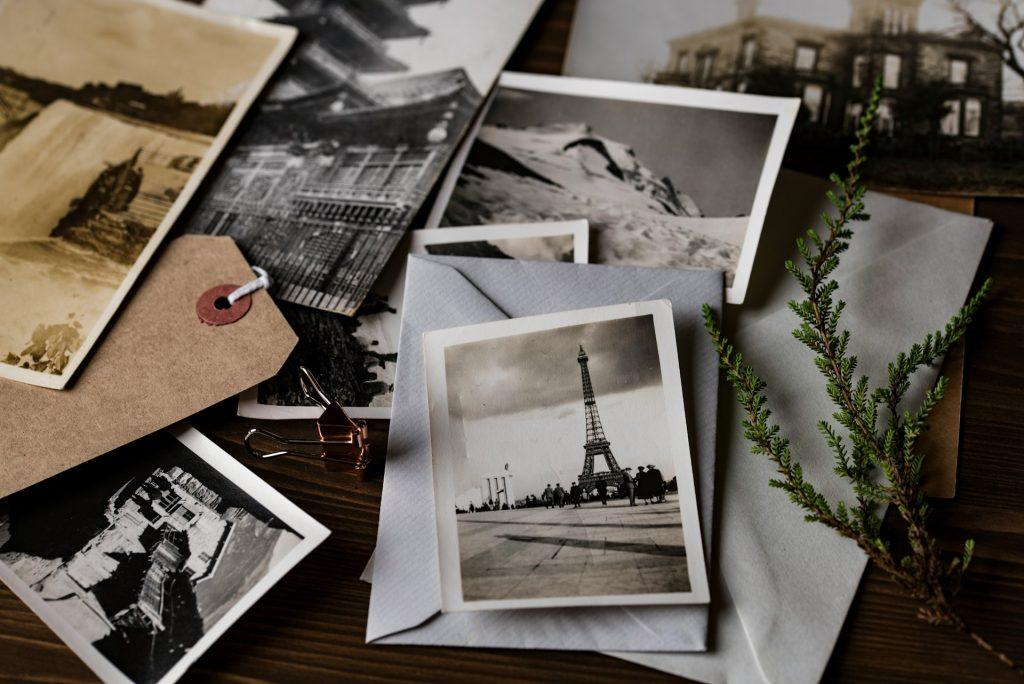
For Today’s Valentine’s prep create a digital photo collage that tells a story, captures a vibe, or highlights a theme. Here’s a practical guide you can use right away, plus ready-to-use ideas.

The Basics:

Have a Purpose: Decide what the collage should convey. A memory? A mood?  Pick what idea you want to share with the collage. 

Choose a Format: Pick the size for the collage.  A size that your printer can print makes collaging and framing easiest.

Mix photos to have a variety: Mix the types of photos you are using -wide, medium, close-up.  Include both people and context to balance the collage.

Be Cohesive: Use a limited color palette or a single filter, if you are making a digital collage, to make images feel connected.

Text placement: Add a short caption or date if it helps tell the story, but don’t overdo it unless text is part of the collage.

Photo selection tips

8–15 photos is a good starting range for many templates; fewer for a bold, simple look, more for a full narrative. Include:

  1 main image 

  3–5 supporting images that add context or contrast

  2–6 detail shots (textures, objects, places)

Make sure to have a Balanced number of people, places, and things in the photographs to avoid a photo‑heavy collage that feels lopsided.

Choose at least one wide establishing shot and one close‑up or candid moment for the collage.

Check variety in lighting and color to avoid a jarring collage. For examples look at Pintrest or Adobe Express.

Layout ideas

Grids: Equal-sized images in a clean grid; good for social posts.

Main photo and a grid: One large center photo with smaller images radiating around it.

Timeline strip: A horizontal or vertical line of images that tells a chronological story.

Overlay and caption: One image with a semi-transparent color wash and a short caption/date. Easy to create with a digital file.

Design and editing tips

Aspect ratio: Decide early (square for IG posts, 4:3 or 16:9 for prints/wallpaper).

Color: Apply a unifying filter or adjust white balance so skin tones look natural and colors don’t clash.

Borders and shadows: Soft white/gray borders or subtle drop shadows help images separate without feeling busy.

Text: Use 1–2 fonts total; keep captions short (dates, locations, a few words). Ensure readability against any image.

Spacing: Leave consistent margins around images; avoid crowding—negative space helps the collage breathe.

Resolution: Export at least 300 PPI for prints; 1080×1080 or 1920×1080 for social, depending on platform.

Tools and templates to try

– Canva: Large library of collage templates; great for quick, polished results.

– Adobe Creative Cloud Express (formerly Spark): Easy templates and text options.

– Google Photos: Simple collage maker built into Photos app; fast for quick sharing.

Step-by-step easy workflow for a digital Collage

1) Define purpose and size: choose your final format (e.g., square 1080×1080).

2) Gather photos: pick 8–15 images that tell the story; grab a main photograph.

3) Pre-edit: lightly crop to the target aspect ratio; adjust exposure/white balance if needed.

4) Choose layout: pick a template or sketch a simple plan (hero center, others around).

5) Arrange and tune: place images, adjust sizes, add a subtle color wash if desired.

6) Add text only if it adds meaning: date, location, short caption.

7) Export: save high-resolution for prints; export optimized size for web.

8) Quick check: view on a phone and on a computer screen to ensure readability and balance.

Today, Give Five Compliments – Written or Verbal

How to deliver a great compliment

First, be specific: Tie your compliment to a concrete example or behavior.

Second, focus on work ethic, empathy, problem-solving, or creativity.

Third, keep it brief using one or two sentences.

Fourth, center on actions, skills, or personality not looks.

Lastly, deliver in a personal way, through text or note or face to face, and in the correct context.

Here is a thoughtful compliment that doesn’t add flirting to the conversation to use as a template:

“I really appreciate your follow through on this commitment. It makes us feel more confident and able to keep moving forward.”

Customization ideas

Keep your compliments friendly and specific to your everyday.

If you’re uncertain about the tone: choose one compliment and deliver it in a straightforward, plain-spoken way without extra flourish. Do not use words that are not in your everyday vocabulary.

Genuine compliments focus on effort, character, and contribution can strengthen rapport and respect across genders.  Keep your comments specific, sincere, and non-romantic, you’ll make someone feel valued for who they are and what they do—no flirting required today.