
First Aid | Are You Ready For Minor Emergencies?

Title: The Essential Home First Aid Kit: What to Include, How to Store It, and Basic First Aid for Common Home Injuries


Being prepared with a well-stocked first aid kit can make a real difference when accidents happen. A good kit isn’t just about having bandages; it’s about having the right supplies organized so you can act quickly and calmly. This guide gives you a practical shopping list, storage tips, and simple first aid steps for the most common home injuries. If someone is severely injured (heavy bleeding, trouble breathing, chest pain, fainting, head injury with confusion, etc.), call emergency services right away.
What to include in a home first aid kit


Think in categories: supplies for cleaning and protecting wounds, bandages, tools, medications, comfort items, and documentation. Adapt quantities to the size of your household.

Basic home kit

  • First aid manual or quick-reference card (the quick steps you can follow)
  • Sterile gauze pads (4×4 inches and 2×2 inches; several each)
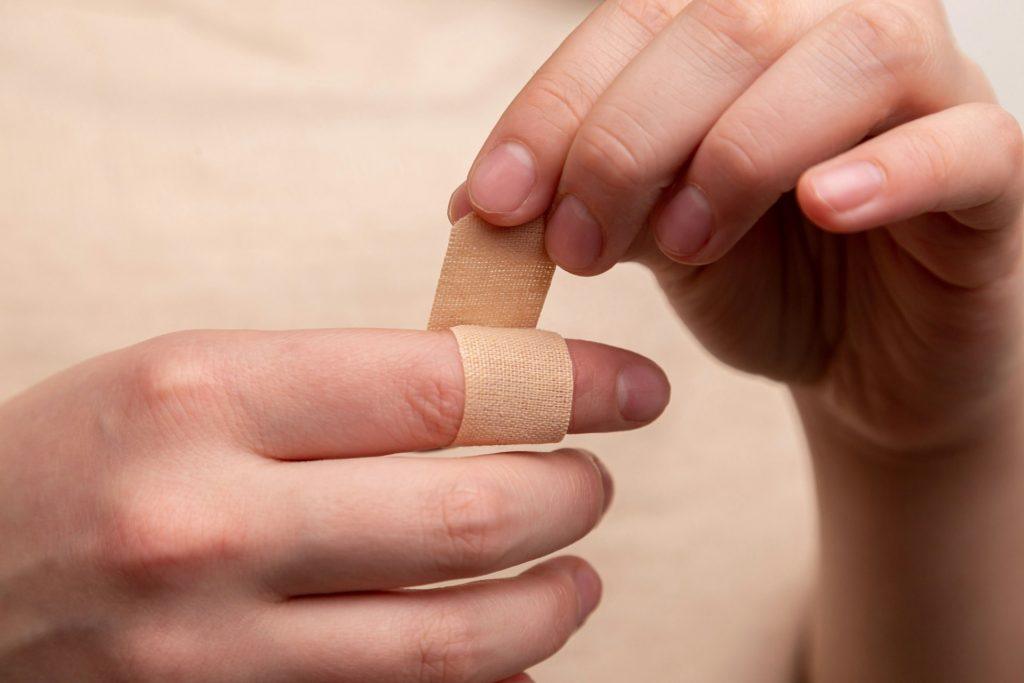
  • Adhesive bandages in multiple sizes (a few large, several small, plus some waterproof)
  • Adhesive tape (medical tape, 1 inch wide)
  • Antibiotic ointment (topical antibiotic) and antiseptic wipes or solution
  • Hydrocortisone cream (1%) for itching and rashes
  • Burn gel or nonstick dressing for minor burns
  • Disposable sterile gloves (nitrile or latex) in at least 2 pairs
  • Scissors (sturdy, blunt-tip) and tweezers
  • Elastic or cohesive bandages (for sprains)
  • Instant cold packs (2–4)
  • Warmth/heat pack (optional for comfort; not a substitute for medical care)
  • Pain relievers/fever reducers (check age suitability): acetaminophen and/or ibuprofen (for adults; pediatric versions if you have children)
  • Oral rehydration salts or a sports drink powder (for dehydration)
  • Saline nasal spray or contact lens solution and/or sterile saline for eye irrigation
  • Thermometer (digital, preferably with a fever range)
  • Washable red safety pin or “triage” pin for securing bandages
  • Emergency contact card with family doctor, local urgent care, poison control, and emergency numbers
  • A small flashlight and extra batteries (good for nighttime needs)
  • A simple, waterproof container or pouch to keep items dry and organized
  • A list of allergies and medications for all household members (keep it updated)

Optional upgrades

  • Additional specialty items: butterfly closures (steri-strips) for small lacerations, a suture removal kit (for trained users—not a substitute for professional care), a CPR face shield or barrier device, a blood glucose meter (if someone in the home has diabetes), and an allergy/epinephrine plan if someone has a known severe allergy (and must-have auto-injector if prescribed)
  • Extra supplies for kids: kid-friendly bandages and gentle skin cleansers
  • A small notebook or wipe-clean sheet to log injuries and actions taken

How to store and organize the kit

  • Pick a single, accessible location: a kitchen cabinet, pantry shelf, or a dedicated closet where clutter is minimal and the kit isn’t exposed to heat or moisture.
  • Choose the right container: a hard-shell tackle box, a small plastic toolkit, or a labeled first-aid chest with clear compartments. The goal is visibility and quick access.
  • Separate zones or containers within the kit:
  • Wounds: gauze, bandages, antiseptics, antibiotic ointment, nonstick dressings
  • Tools: scissors, tweezers, safety pins, tape
  • Medications and burn/relief items: pain relievers, hydrocortisone cream, burn gel
  • Comfort and protection: gloves, instant cold packs, spare blankets or a small nasal saline
  • Documentation and extras: emergency numbers, allergy list, thermometer
  • Label clearly and keep items in their original packaging as much as possible (e.g., medicine bottles with dosage instructions).
  • Check expiration dates regularly (every 3–6 months is a good rule). Replace any expired items and rotate supplies so older items are used first.
  • Keep a simple inventory list on the inside of the kit lid or a small card in the box. Update whenever you add or remove items.
  • Child safety: if you have young children, store the kit in a high, locked cabinet or use a childproof container and teach older kids basic safety about not touching medicines.
  • Car and travel kits: it’s handy to have a smaller, separate kit for cars, workplaces, and travel, stocked with a few essentials (bandages, wipes, wipes, antiseptic, pain reliever, and a small pair of gloves).

Tailoring the kit for your household

  • Families with kids: include more adhesive bandages in kid-friendly sizes, extra antiseptic wipes, a digital thermometer, and age-appropriate pain relief meds with clear dosing on the label.
  • Seniors: consider larger-bandage options, extra elastic bandages, and a few enhanced wound-care items – nonstick dressings, wound-care tape with gentle adhesive.

Printable Shopping Checklist

Wound care and dressings

  • [ ] Sterile gauze pads, 4×4 inches: 20
  • [ ] Sterile gauze pads, 2×2 inches: 20
  • [ ] Nonstick sterile dressings: 4
  • [ ] Adhesive bandages, assorted sizes: 100
  • [ ] Antiseptic wipes or solution: 100-count
  • [ ] Antibiotic ointment (topical): 1 tube
  • [ ] Hydrocortisone cream 1%: 1 tube

Bandages, tapes, and wraps

  • [ ] Medical tape, 1 inch wide: 1 roll
  • [ ] Elastic or cohesive bandages: 2
  • [ ] Safety pins (for securing dressings): 1 small box

Tools

  • [ ] Blunt-tipped scissors: 1
  • [ ] Tweezers: 1
  • [ ] Digital thermometer: 1
  • [ ] Small flashlight with extra batteries: 1 set
  • [ ] First aid manual or quick-reference card: 1
  • [ ] Waterproof storage container or first-aid box: 1
  • [ ] Emergency contact information card (printable): 1
  • [ ] Allergy/medication list (laminated or waterproof): 1

Pain relief, antihistamines, and hydration

  • [ ] Acetaminophen (adult): 1–2 bottles
  • [ ] Ibuprofen (adult): 1 bottle
  • [ ] Oral rehydration salts or electrolyte powder: 1 box
  • [ ] Saline solution for eyes/nasal irrigation: 1 bottle
  • [ ] Hydration remedy for kids (pediatric electrolyte solution) optional: 1 box

Injury care

  • [ ] Instant cold packs: 4
  • [ ] Warmth/heat packs (optional, for comfort): 2
  • [ ] Burn gel or nonstick burn dressings: 2–4
  • [ ] Butterfly closures (steri-strips) for small cuts: 1 package
  • [ ] CPR barrier device or face shield (optional): 1

Kids and Seniors – Designed First Aid Items

  • [ ] Kid-friendly bandages and fun shapes: 1 package
  • [ ] Extra-large or easy-grip bandages for seniors: 1–2 boxes
  • [ ] Pediatric dosing chart

Car and travel Kit

  • [ ] Small, separate travel first aid kit: 1
  • [ ] A few bandages, antiseptic wipes, small gloves, and a mini bottle of antibiotic ointment: include in travel kit

Notes

  • Start with the essentials above; you can add specialty items later as needed.
  • If you have children or seniors, prioritize kid-friendly bandages and age-appropriate medicines with clear dosing labels.
  • Keep receipts and product labels for easy checking of expiration dates.
  • Plan for rotation: mark the opened date on items like ointments or saline, and replace before they expire.
  • Consider adding a small printed quick-reference sheet inside the kit lid for fast guidance.

| Declutter the Bathroom | Daily Goal | On-Ramping

Declutter the Bathroom: Essentials, Smart Storage, Clean-Look Colors, and a 60-Minute Decluttering Plan


A cluttered bathroom can make mornings chaotic and showers feel less spa-like. The key is to keep only what you truly use, store the rest where it belongs, and choose colors and organizers that reflect calm and cleanliness. Below is a practical guide you can follow to reclaim your space—without turning it into a full-day project.

What to keep in the bathroom (the essentials)
These items belong in the bathroom vanity or medicine cabinet because they’re used daily or weekly and benefit from being close at hand.

  • Daily hygiene basics
  • Toothbrush, toothpaste, floss, mouthwash
  • Soap or hand wash, facial cleanser, moisturizer
  • Cotton rounds, Q-tips, cotton balls (store in a small drawer or container)
  • Grooming and personal care
  • Hairbrush/comb, razor and replacement blades, shaving cream or gel
  • Daily skincare products (serums, SPF, etc.)
  • Nail care kit (emery boards, clippers)
  • Towels and washcloths (a small, accessible set)
  • One to two hand towels on a rack; a few washcloths tucked in a basket
  • Cleaning essentials (kept discreetly, but within reach)
  • All-purpose cleaner or bathroom cleaner, toilet bowl cleaner and brush, microfiber cloths
  • Toilet paper (a small stock in the bathroom is handy; bulk rolls can live in a hallway/utility closet)
  • First-aid and medications (in a secure, accessible spot)
  • A small first-aid kit and any daily medications should be stored in a locked or childproof cabinet if children are present
  • Minor storage helpers
  • A small trash can with a liner, a dish or tray for everyday items that live on the counter

Items you can relocate from the bathroom

  • Extra toiletries and household supplies you don’t use daily
  • Extra shampoo, conditioner, body wash, or facial products
  • Extra razors, sunscreen, or cosmetics that you don’t reach for weekly
  • Bulk or seasonal items
  • Spare toilet paper, tissues, or cleaning products that aren’t used this week
  • Hair tools and beauty devices you don’t use daily
  • Hair dryers, curling irons, or straighteners can live in a bedroom closet or dedicated “tools” bin
You must be logged in to view this content.

|Daily Storey Goal | Clear Out Under the Bed | January Goals | Coaching Prompt |

Why an Empty Under-Bed Space Supports Feng Shui, Calm, and Better Sleep


If you’ve ever felt that your bedroom carries a heaviness or restlessness, the space under the bed might be part of the problem. In many feng shui and energy-focused design ideas, clutter—especially tucked away where you can’t see it—still disrupts the flow of chi. The simple rule: keep the space under your bed empty. Not only can this reduce mental clutter and energy stagnation, it also makes your room easier to clean and helps you sleep more soundly. And yes, the “out of sight, out of mind” tendency is real—when nothing is stored under the bed, there’s nothing to forget about, misplace, or trip over.

Why keeping the space under the bed empty matters

  • Energy flow and rest: Feng shui emphasizes smooth, unobstructed qi (energy) moving through the room. A clear, open under-bed space is believed to encourage a calmer, more balanced energy in the sleeping area.
  • Mental calm and clutter-free nights: Visible clutter in your field of vision adds cognitive load even if you “don’t see” it during the day. An empty under-bed area reduces reminders of tasks or items that demand mental attention.
  • Easier cleaning and maintenance: Dust, allergens, and negative energy can accumulate in between under bed storage containers. Keeping the space empty makes vacuuming and air circulation simpler, supporting a healthier sleep environment.
  • Better sleep quality: A tidy, uncluttered space around the bed is linked—in feng shui and in many sleep-wocused design guides—to deeper, more restorative rest.

Common objections and smart trade-offs

  • “I need extra storage.” Choose away from the bed storage solutions: a stylish dresser, a storage ottoman at the foot of the bed, or a closet system with labeled bins. The goal is to move storage away from under the bed, not to create chaos elsewhere.
  • “False : Seasonal items won’t fit elsewhere.” Create a rotating plan: designate a labeled bin or shelf in a closet for seasonal items, and commit to rotating them on a schedule to an off-site storage location. It’s a short-term trade-off for long-term calm.
  • “I worry about forgetting what I have.” Instead of under-bed storage, use a visible inventory system in your closet or a digital note on your phone. A quick list or photo catalog can replace the mental load of “what’s under there?”
You must be logged in to view this content.

|Sort Wardrobe| January Daily Goal | One Hour |

One Hour a Month to a Seamless Wardrobe: Build a Work Capsule That Balances Work and Home Life


If you’ve ever felt overwhelmed by a closet full of clothes you rarely wear, you’re not alone. A focused, one-hour monthly routine can transform how you dress for work and for home life. The goal is a clear, efficient work capsule you can mix and match with ease, while keeping your casual life wardrobe distinct. Below is a simple, repeatable process you can run every month to sort, prune, and optimize your outfits.

Why a monthly one-hour wardrobe routine works

  • It’s pragmatic. Thirty to sixty minutes creates a consistent habit and allows you to sort your wardrobe but not invest the day in thinking about each outfit.
  • It keeps you agile. A small, well-curated work capsule makes daily choices faster and reduces stress.
  • It preserves balance. Having a separate weekend wardrobe or after work wardrobe helps you turn off work and focus on your home-life.
  • It adapts to life. You can adjust the size of your capsule by season, workload, or laundry schedule and budget.

Setting up a dedicated work capsule

Create two defined closets or sections:

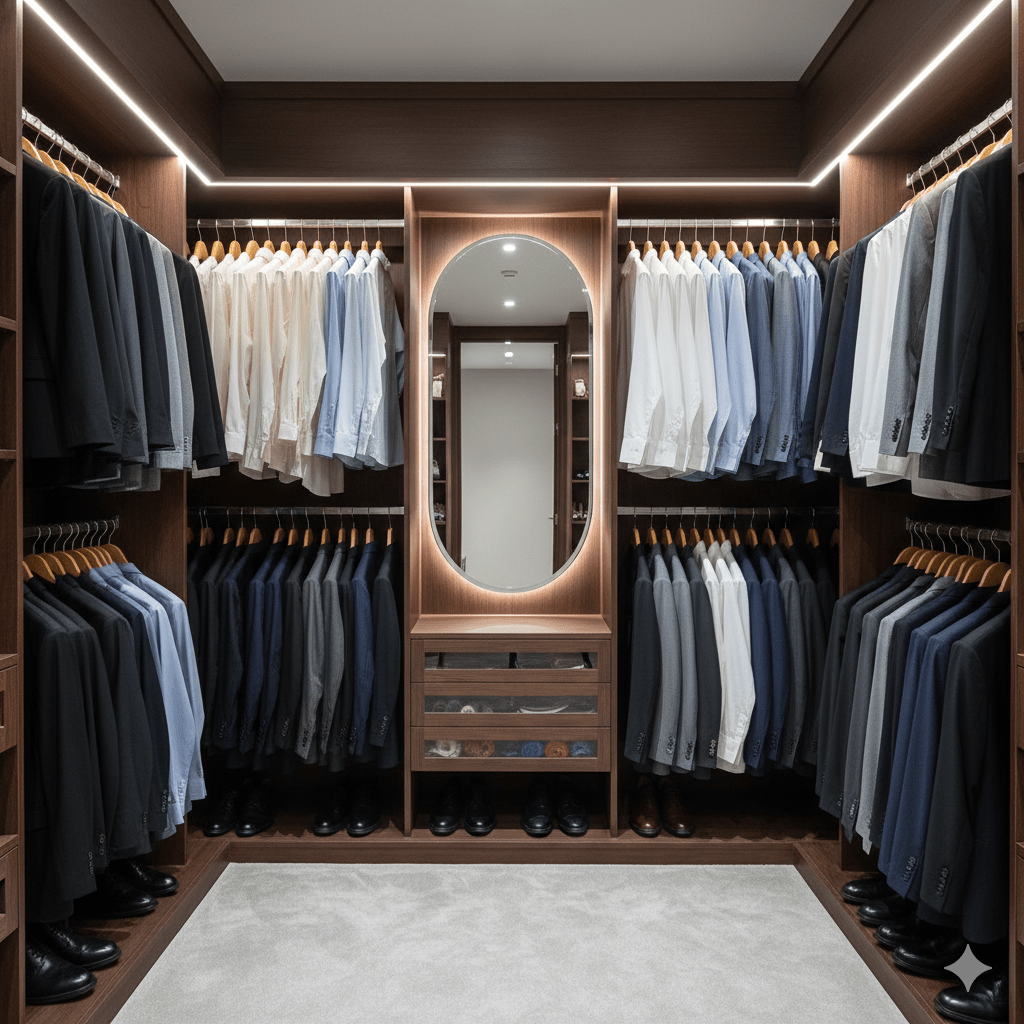
  • Work capsule: only your work-appropriate tops, bottoms, dresses, jackets, and shoes.
  • Home-life wardrobe: casual wear, day wear, weekend wear, gym wear and special event outfits that are too formal for work.

Choose a cohesive color palette:

  • Neutrals you can pair easily | Neutral Colours = black, navy, gray, white |
  • One or two accent colors to keep things interesting

Focus on fabrics and care:

  • Pick fabrics that hold shape and color after washing (poly blends, ponte, wool blends, cotton).
  • Plan outfits that don’t require delicate handling if laundry is limited.

Build with a simple structure:

  • Tops: mostly versatile blouses, shirts, or knits
  • Bottoms: Tailored trousers, dark jeans, skirts
  • Outerwear: 2-3 blazers to make work suits
  • Dresses (women) : suit dresses

Shoes and accessories:

  • 2-3 work-appropriate shoes, loafers, low heels, boots
  • A small set of accessories to add personal style
  • Socks – enough to get through the week without doing laundry
You must be logged in to view this content.

Cleaning Goal | Cleaning Around the Bed | Health Storey January |

Welcome to Monday! I’m working on the corporate paperwork and training an AI but the cleaning Goal for you and for myself today is:

| Clearing the space around the bed – Decluttering – Getting rid of visual stress |

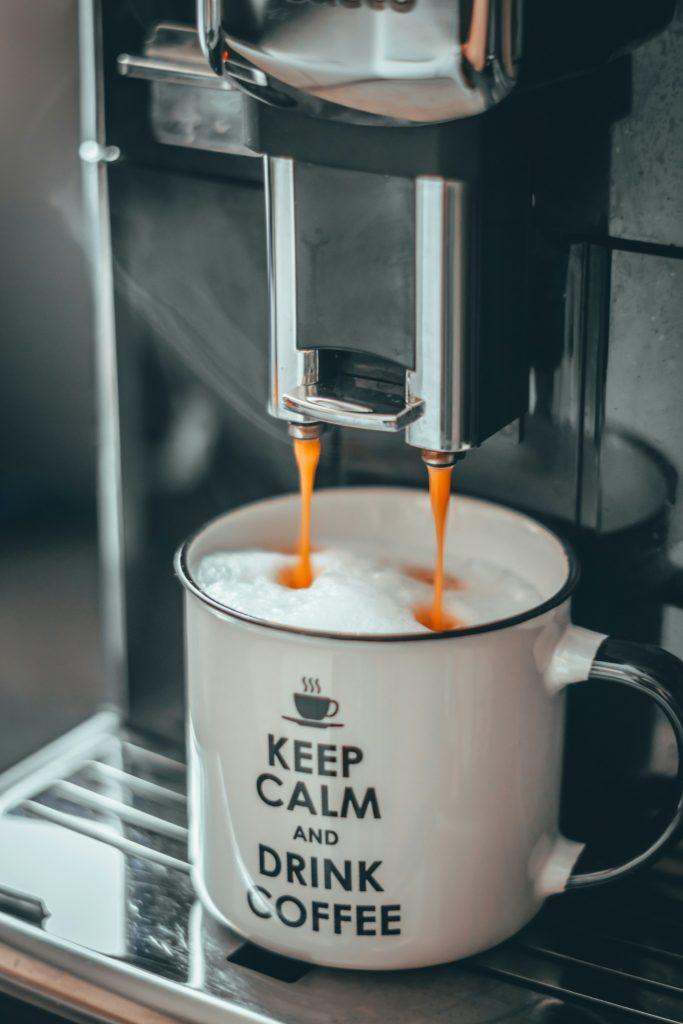
Did you drink your coffee today? For detoxification, it is important to have coffee in the morning with some dairy. You can have dairy in your coffee or have a piece of cheese. Health Storey Coaches can explain to you the importance of coffee with dairy milk.

Clear Space, Clear Mind: The Importance of Minimal Visual Clutter in the Bedroom (Especially Around the Bed)

If your bedroom feels like a staging room for everything you own, your sleep routine might be paying the price. Visual clutter can drain energy, disrupt relaxation, and even make mornings feel chaotic. The good news? A simple, deliberate approach to keeping the space around your bed free of clutter can transform how you rest, recharge, and wake up. Here’s why it matters and how to make it work in real life.

Why visual clutter around the bed matters

  • Sleep quality and stress: A calm, orderly environment signals to your brain that it’s time to unwind. When surfaces are crowded with books, devices, and laundry, your brain has more stimuli to process at a time when it should be winding down. A cleaner visual field can help reduce cognitive load and promote deeper, more restorative sleep.
  • Safety and ease: The bed is the room’s center of comfort, but it’s also a potential trip hazard if cords, shoes, or laundry spill into the floor or nightstands. Keeping the space around the bed clear reduces the risk of stumbles at night and makes it easier to get in and out of bed.
  • Routine and mental clarity: A tidy bedside area supports a smoother evening routine. When you know exactly where the essentials live (lamp, water bottle, a notebook, a charger), you waste less time searching and more time relaxing or drifting off.
  • Ambiance and mood: Clutter clashes with a tranquil mood. A minimal, uncluttered vibe—soft textures, warm lighting, and a cohesive color palette—creates a sanctuary-like feel that’s inviting to rest.

What “clutter around the bed” typically looks like

  • Nightstands overloaded with gadgets, cables, and random papers
  • Cables and chargers sprawling across surfaces or the floor
  • Stacks of books, magazines, or laundry piles near the bed
  • Decorative items that aren’t used for sleep, right at eye level
  • Under-bed storage that’s overflowing or difficult to access
Content Below is for Subscribers to Daily Storey
You must be logged in to view this content.

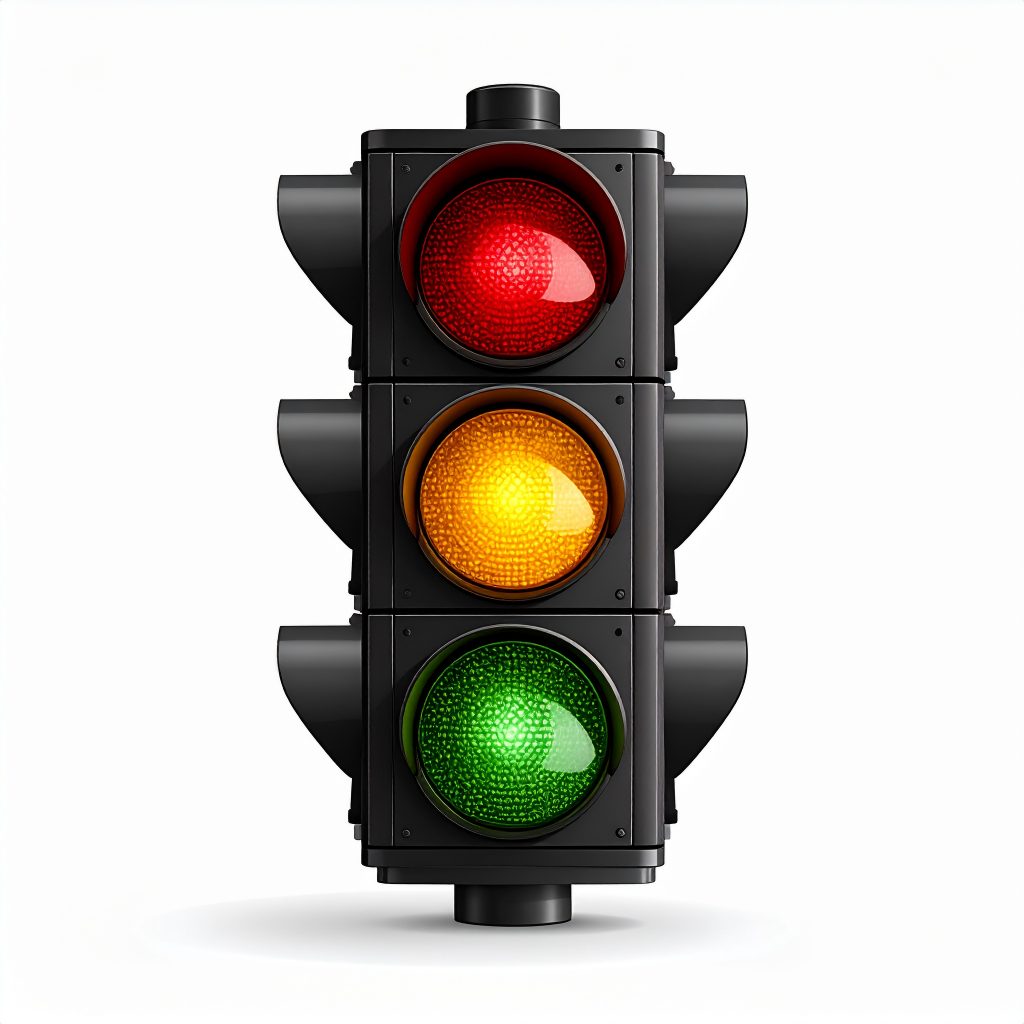
| Day 5 | On-Ramping | Red Light Foods

Detox Your Kitchen: Removing Everything That Causes You to Overeat Calories

When it comes to managing weight and creating healthier eating habits, the environment you live in plays a crucial role—especially your kitchen. If your kitchen is filled with tempting snacks and calorie-dense foods, resisting overeating can become a battle. One effective way to regain control is to detox your kitchen by categorizing and removing foods based on their ability to trigger overeating.

You must be logged in to view this content.

|Daily Storey Note | Picking a Good Food Prep Time

Meal Prep Mastery: The Best Time to Prep for Night Owls, Morning Birds, and In-Betweens — plus Office/Homelife Hacks and Budget-Smart Tips


Meal prepping isn’t a one-size-fits-all chore. It’s a flexible system that fits your rhythm, your space, and your wallet. Whether you’re a night owl who thrives after sundown, a sunlit morning person, or somewhere in between, you can find a prep routine that sticks. This guide breaks down the best times to prep for different chronotypes, tackles common challenges when you work from home or in a no-kitchen office, and shares practical ways to keep food costs in check.

The best time to prep, by chronotype

Night owls: late-day energy, early-start meals

  • When to prep: After dinner is complete and you’re winding down, typically around 8:30–9:30 pm. If you’re exhausted by then, aim for a 15–20 minute reset session to lay out the plan for the next day and do a quick chop or portioning.
  • What to prep: Quick, no-fuss components you can assemble later (washed greens, chopped veggies, pre-cooked grains, and proteins you can reheat). Consider a slow cooker or sheet-pan meals that need minimal hands-on time the next day.
  • Quick win ideas: Overnight oats or yogurt parfaits for breakfast; marinated veggies for easy bowls; a big batch chili or soup that tastes even better after a night in the fridge.

Morning birds: jump-start your day with momentum

  • When to prep: Early morning, before your day fully starts. A 30–60 minute block from 6:30–7:30 am can set you up for balanced lunches and dinners.
  • What to prep: Cooked grains, roasted veggies, and proteins that reheat quickly. Freshly brewed coffee plus a simple “grab-and-go” breakfast option works well.
  • Quick win ideas: One-pan breakfasts (egg muffins, veggie omelets) and a fridge-ready lunch base (quinoa or brown rice, beans, chopped veggies) you can mix with a protein in minutes.

In-betweeners: mid-day energy and flexibility

  • When to prep: Late morning to early afternoon, for many people around 11:00 am–1:00 pm. A short session mid-day can reset your plan for the rest of the week.
  • What to prep: Assemble ready-to-eat bowls, assemble-your-own-salad components, and pre-portion snacks. If you prefer savory dinners, prep components that mix well into multiple meals.
  • Quick win ideas: Create a “build-your-bowl” kit with a protein, a starch, and a couple of veggies; pre-portion snack packs (nuts, fruit, cheese); batch-cook a versatile sauce to lift several meals.

| Content Below is for Daily Subscribers Only |

You must be logged in to view this content.

Happy New Year 2026!

Happy New Year! 4 More days before we begin our 2025 Goal Series. See you in 4 days!!! Please Register for the subscription model. The on-ramping begins every Monday. Daily Prompts are everyday. Personal Health Storey Coaching is not included in the subscription.