
Cleaning Your Relationship | Daily Goal | Audit Your Arguing Style

For the next ten days, focus on observing your current fighting style without trying to fix it.

  1. Day 1: Identify your “Conflict Style” (e.g., The Pursuer vs. The Withdrawer).
  2. Day 2: List your top three “Recurring Arguments” (the ones that never get solved).
  3. Day 3: Identify your physical “Tell” for anger (clenched jaw, heat in chest).
  4. Day 4: Log “Kitchen Sinking”—note every time a past issue is brought into a current one.
  5. Day 5: Track “Tone of Voice”—notice when sarcasm replaces directness.
  6. Day 6: Identify your “Early Warning System” (the moment you know a fight is coming).
  7. Day 7: Discuss “The Hangry Factor”—how hunger or fatigue affects your patience.
  8. Day 8: Audit your “Digital Habits”—do you argue over text? (Agree to stop this).
  9. Day 9: Identify “Interruption Patterns”—who talks over whom?
  10. Day 10: Share one thing your partner does well during a disagreement.

Today, review and define your arguing style in your relationship using the following styles as the basis to describe your arguing style for different situations in your relationship.

Competing

This is the “I win, you lose” approach. It is high on assertiveness and low on cooperativeness.

  • When to use it: In emergencies where quick, decisive action is vital, or when an unpopular decision must be implemented.
  • The Risk: It can breed resentment and damage long-term relationships if used as a primary tool.

Accommodating

The polar opposite of competing, this is “I lose, you win.” You prioritize the other person’s concerns over your own to maintain harmony.

  • When to use it: When you realize you are wrong, when the issue matters much more to the other person, or when “keeping the peace” is more valuable than the specific outcome.
  • The Risk: Your own needs may be consistently ignored, leading to burnout or “martyr” feelings.

Avoiding

This is the “No winner, no loser” style. You sidestep the conflict entirely, neither pursuing your own goals nor helping the other person with theirs.

  • When to use it: When the issue is trivial, when tensions are too high and people need to cool down, or when you have no chance of winning.
  • The Risk: Problems often fester and grow larger when they aren’t addressed.

Collaborating

This is the “I win, you win” style. It requires high assertiveness and high cooperation. Both parties work together to find a creative solution that fully satisfies everyone’s concerns.

  • When to use it: When the concerns of both parties are too important to be compromised, or when you want to merge different perspectives.
  • The Risk: It requires a lot of time, energy, and trust from both sides.

Compromising

This is the “We both win a little, we both lose a little” middle ground. It’s the “split the difference” approach where both sides give up something to reach a quick agreement.

  • When to use it: When you need a temporary fix for a complex issue or when you’re at a standstill with a peer of equal power.
  • The Risk: It can result in a “sub-optimal” solution where neither party is actually happy, just equally dissatisfied.

First Day of Lent | Spring Cleaning | Keeping Down Dust

  • Today is the first day of lent.
  • Today is the first day of Easter / St. Patrick’s Day Prep
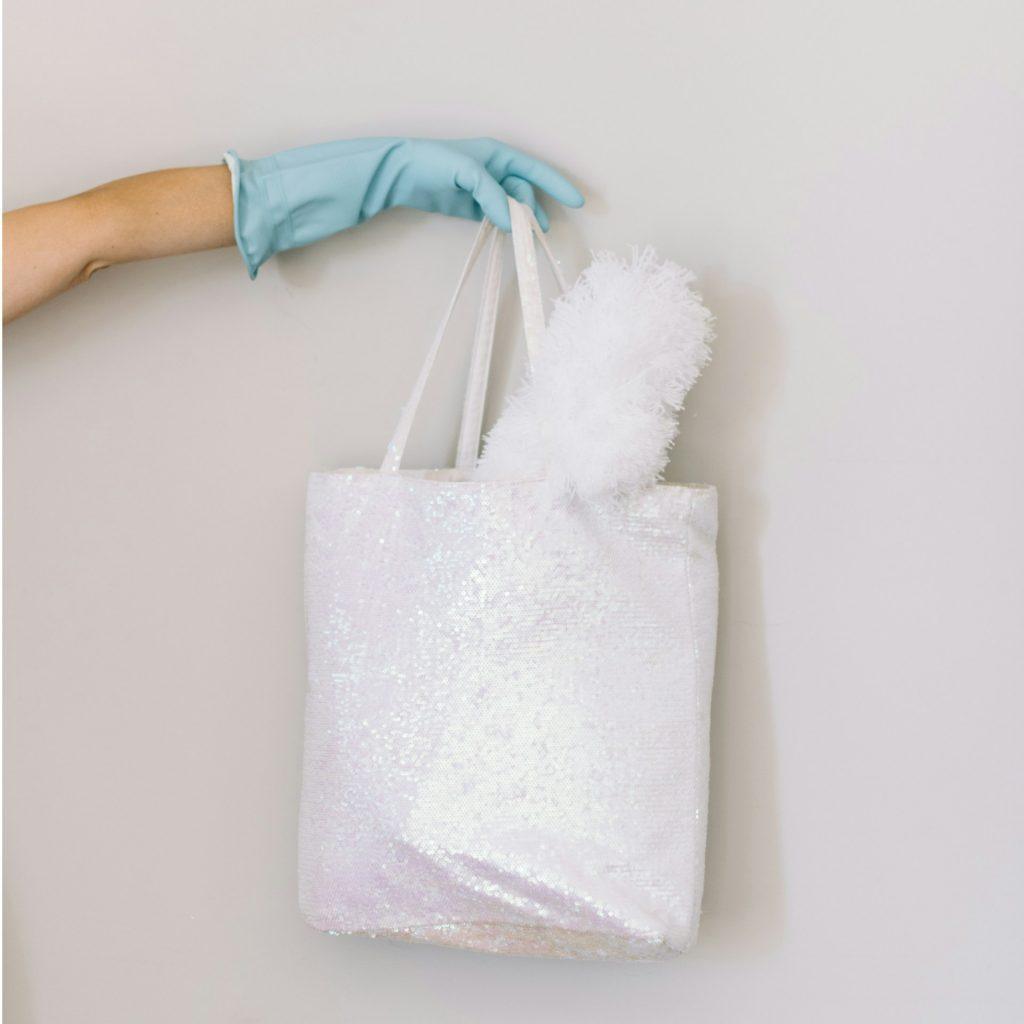
  • Today is a good day to Dust.

How to Keep Dust Down in Your House: A Comprehensive Guide

Dust can be an unwelcome guest in any home, settling into every nook and cranny and triggering allergies and respiratory issues. While it’s impossible to eliminate dust completely, there are several effective strategies you can employ to minimize its presence. Here’s a detailed guide on how to keep dust down in your house.

1. Regular Cleaning Routine

Vacuuming

Invest in a high-quality vacuum cleaner equipped with a HEPA filter, which captures tiny particles and allergens. Aim to vacuum floors, carpets, and upholstery at least once a week. Don’t forget to vacuum under furniture and in areas that are often overlooked.

Dusting

Use microfiber cloths or electrostatic dusters for dusting surfaces, as these materials effectively trap dust rather than just moving it around. Dust all surfaces, including shelves, baseboards, light fixtures, and blinds, at least once a week.

Mop Floors

After vacuuming, mop hard floors to pick up any remaining dust. Use a damp mop to avoid scattering dust into the air.

2. Control Humidity

Dust mites thrive in a humid environment. Keeping indoor humidity between 30-50% can help reduce dust accumulation. Use a dehumidifier in damp areas, such as basements, and consider using exhaust fans in kitchens and bathrooms to minimize moisture.

3. Minimize Clutter

The more items you have in your home, the more surfaces you have for dust to settle on. Declutter your living spaces by:

  • Removing unnecessary items
  • Storing items in closed containers
  • Keeping surfaces clear

Opt for furniture with smooth surfaces that are easier to clean.

4. Air Quality Management

Change Air Filters

Regularly change the air filters in your HVAC system, preferably every 1-3 months. Consider investing in high-efficiency filters that trap more dust and allergens.

Use an Air Purifier

Air purifiers can help reduce dust and other allergens. Look for units with HEPA filters and place them in high-traffic areas or rooms where you spend the most time.

5. Wash Bedding and Curtains

Bedding, curtains, and other fabrics can accumulate dust. Wash your bedding weekly in hot water and vacuum or wash curtains regularly. Consider using allergen-proof covers for pillows and mattresses.

6. Create a No-Shoes Policy

Dust and dirt from outdoors can easily be tracked into your home. Encourage a no-shoes policy by providing a designated spot for shoes at the entrance and offering slippers or indoor footwear for guests.

By implementing these strategies, you can significantly reduce dust levels in your home, creating a cleaner and healthier environment. Establishing a regular cleaning routine will make maintaining a dust-free home much more manageable.

40 Day Lent Starts on Wednesday February 18, 2026

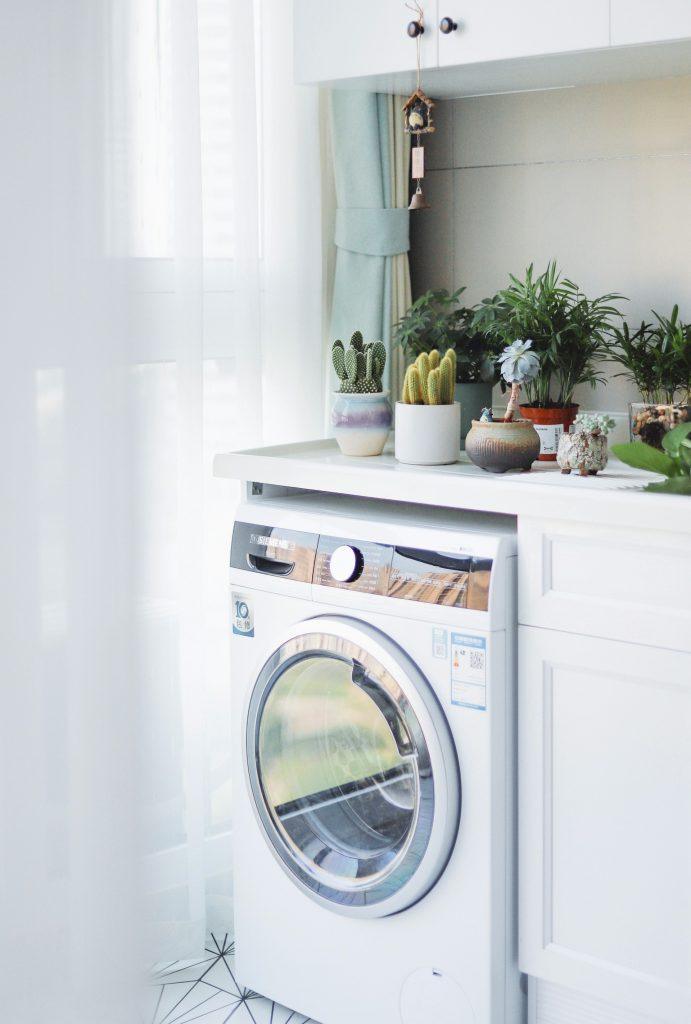
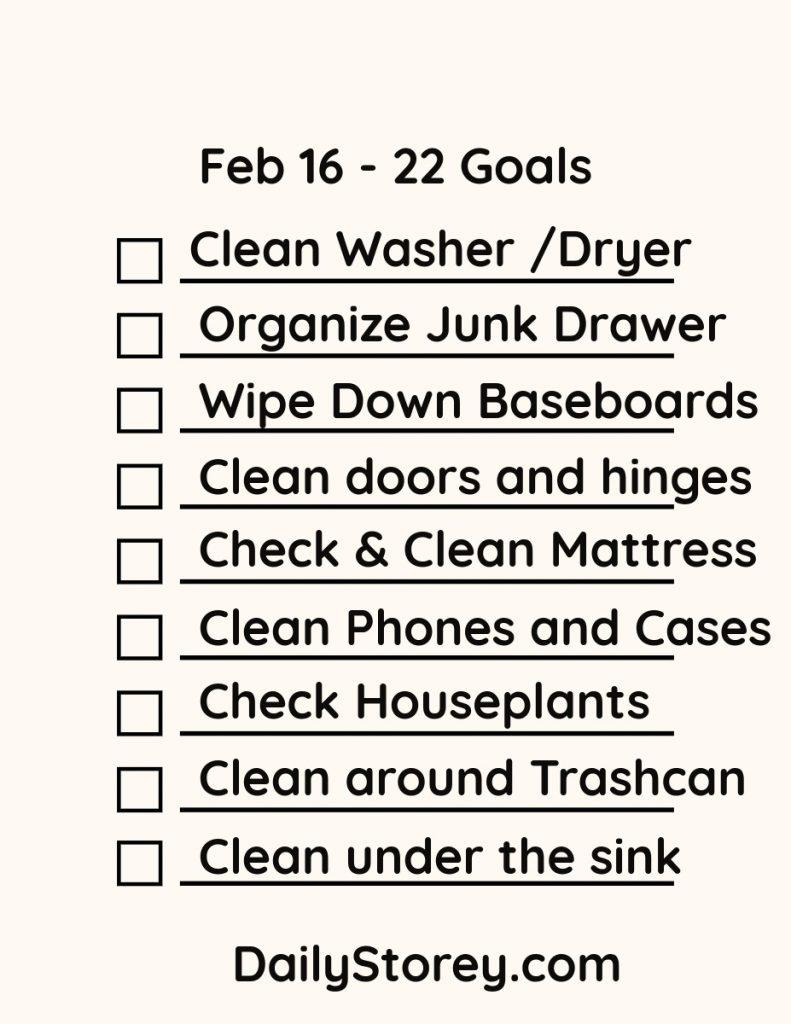
Today, Clean out your washer and dryer. Below are some tips on cleaning out both machines and some maintenance suggestions:

Clean the Washer

  • The Tub Clean: Most modern washers have a “Tub Clean” cycle. If yours doesn’t, use the Heavy Duty or Whites setting with the hottest water available.
  • The Cleaning Agent: Use a specialized washing machine cleaner tablet, or substitute with 2 cups of white vinegar poured directly into the drum.
  • The Gasket (Front-Loaders Only): This is the rubber ring around the door. Wipe it down with a 1:1 solution of vinegar and water. Be sure to peel back the folds to find trapped hair, coins, or slime.
  • The Filter: Locate the small hatch at the bottom front of the machine. Place a towel down, unscrew the filter, and rinse out the debris.

Clean the Dryer

  • The Lint Screen: Beyond emptying it after every load, wash the screen with warm soapy water once a month. Dryer sheets can leave a waxy film that restricts airflow even if the screen looks “clean.”
  • The Housing: Use a vacuum hose attachment to reach into the slot where the lint screen sits. You’d be surprised how much lint bypasses the trap.
  • The Drum: Wipe the interior drum with a microfiber cloth and a bit of rubbing alcohol or stainless steel cleaner to remove any transferred dyes or wax from dryer sheets.
  • The Exhaust Vent: At least once a year, disconnect the large silver hose from the back of the dryer and vacuum it out, or use a vent cleaning brush kit to clear the path to the outside wall.

Maintenance Tips

ComponentActionFrequency
Washer DoorLeave it propped open after use to prevent mold.Every load
Detergent DrawerPull it out and rinse away “goop.”Monthly
Dryer VentInspect the exterior flap for airflow.Seasonally

Checklist for Valentine Date Night | February Goals | Daily Goal

Valentine’s Date Night Disaster-Proof Checklist

Logistics and day-of prep

  • Time and meeting point: confirm time, place, and a simple plan for how you’ll get there.
  • Dress for the moment: outfit planned for activity and weather; have a backup outfit option if plans shift.
  • Transportation plan: rideshare, parking, or transit; know the best drop-off/exit points and surge pricing.
  • Quick date-night kit
  • Phone charger or portable battery
  • Mints/gum, lip balm
  • Tissues, hand sanitizer
  • Small first-aid basics including band-aids and pain reliever
  • Essentials on hand: wallet, ID, insurance card, and a small amount of cash for tips or in case credit card is not working / scanning / phone dies.
  • Safety and boundaries: share your location with a trusted friends.
Valentine Date

If something goes wrong

  • Late or miscommunication: send a quick check-in text, propose Plan B, or a simple, honest renegotiation of plans.
  • Venue issues or cancellations: have the backup option ready (another nearby place or a quick alternative activity).
  • Too intense romance or pressure: acknowledge pacing and suggest a lighter option or a short wrap-up with a plan for a later, more relaxed date.
  • Feeling unsafe or uncomfortable: exit politely and prioritize your safety (call a friend, switch venues, or end the date).

After the date

  • Follow-up timing: send a brief message within a few hours to share appreciation and next steps.
  • If you want to see them again: propose a concrete, low-pressure plan by text.

Have a wonderful Valentine’s Date!

An Outdoor Date | February Goals | Valentine’s Day

What to do when your significant other is not an outdoor kind of person:

– Create a low-pressure, shelter-forward outdoor experience: think comfort – warmth, shade, shelter, good vibes, and easy transitions back indoors.

– Start with something indoors and adjacent to nature.  A warm café, greenhouse, or museum café where you can then move to a short outdoor activity, and can return to an indoor environment for a light meal or a coffee.

Plan with these three simple date Segments

– Beginning of the date is an indoor-friendly start: A comfortable place to meet and chat such as in a coffee shop with seating, a greenhouse café, or a museum café.

– The main part of the date is a sheltered outdoor activity: Choose something outdoors or outdoor like with built-in shelter and options for pausing such as benches  or a covered patio.  

– The end of the date goes back indoors: Go back to the original cafe or go to a dessert shop, a bookstore cafe, a lounge with heaters.

Hybrid date ideas 

Garden + cafe: Visit a botanical garden or conservatory then wander to the on-site cafe for cocoa or coffee.

Park stroll with shelter breaks: Pick a scenic park, plan 20 minutes of strolling, then pause under a pavilion or in a landscaped garden, with hot drinks in a thermos.

Greenhouse + snack hop: Explore a large greenhouse or plant conservatory, then head to a nearby bakery or cafe patio.

Museum or gallery + outdoor sculpture loop: Do a short indoor exhibit, then place time for a stroll through an outdoor sculpture garden or courtyard.

Farmers market stroll + indoor tasting: Walk the outdoor stalls, then duck into the market’s indoor food hall or a nearby cafe to regroup.

Waterfront boardwalk with shelter: A light stroll along the water, stopping at a sheltered pier or covered seating with a warm drink.

Build in one natural transition back indoors for comfort. Don’t force the entire date to stay outside.

Have a plan B for weather: a nearby indoor option within 5–10 minutes of the outdoor activity.

Conversation and connection

– Start with low-pressure topics: favorites about indoors vs outdoors, your ideal “cozy day,” or recent small joys.

– Balance the flow: mix light, playful questions with a few meaningful prompts to gauge compatibility.

– Plan a non-awkward close: finish with a warm drink or dessert and a simple “Would you be up for a similar plan next time or maybe try X next time?”

Quick invitation wording

– Casual: “Hey, want to do a short, cozy outdoor/date-adjacent plan this Saturday? We’ll start with coffee, stroll through a sheltered garden area, and finish with a warm treat indoors if it’s chilly. What do you think?”

Specific + respectful: “If the weather’s nice, I thought we could meet for coffee, walk through the botanical conservatory, and end with hot chocolate at a café.

If weather or plans go off-script

– Rain plan: move indoors to a cafe or bookstore with a light outdoor stroll in covered areas; or swap to an indoor museum date.

– Cold or wind: shorten the outdoor segment, focus on sheltered spots, and linger at a warm cafe or greenhouse.

– If interest wanes, gracefully switch to a more indoors-friendly activity in the same venue.

Make a Digital Coupon For A Person in the Family

Chore / practical help

  • Free car wash and interior detailing such as washing, vacuuming, cleaning the windows, and waxing the exterior.
  • One lawn mowing or a yard cleanup session
  • Errand-run day I’ll pick up groceries or run a specific errand.
  • Household chore pass you pick a chore I’ll take care of for a day
  • Tech help hour such as setting up a new device, organizing files, fixing a hiccup.

Food and drink

  • Breakfast in bed such as a tray with coffee/tea and some toast.
  • One homemade dinner night where the person gets to pick the menu or you surprise him.
  • Craft beer or coffee tasting at home.
  • Dessert night

Experiences and fun

  • Movie or game night, with snacks you choose
  • Co-op video game session where they get to pick the game.
  • Outdoor adventure day hike, bike ride, or a shore stroll.
  • Local outing to a new restaurant.
  • Sporting event

Pamper Coupons

  • One-on-one date night out of the house.
  • Home spa night using face masks, or a relaxing foot soak bath prepared and ready for them with a good movie to watch while their feet soak.
  • Unplug and unwind with a tech-free night with a simple activity planned.

How Many to Make

  • Keep 8–20 coupons to start. Make only as many as your budget can handle.
  • Include a mix of small, thoughtful gestures and a couple of bigger experiences.

Ready-to-use coupon wording to use on paper or digital coupons.

1) Traditional coupon
Coupon for: __________
Good for: __________
Expires on: __________
Redeemed by: __________

2) Specific activity coupon
This coupon entitles the bearer to: __________
Details: I will __________
Valid until: __________

3) Gratitude/theme coupon (great for a relationship)
A small token of appreciation for you, because: __________
Redeemable for: __________
Expiration: __________

Optional design and presentation tips

  • Card stock: Print on thick cardstock or cut into sturdy rectangular cards
  • Design: Keep it simple. Use his favorite colors, a clean font, and a short tagline.
  • Personal touches: Add a nickname, inside jokes, or small illustrated icons for each coupon.
  • Packaging: Bundle 6–12 coupons with a ribbon, or tuck them into a small gift envelope or a homemade coupon book.

What Kind to Include & How many to include and how to offer them

  • For a special occasion such as birthdays and anniversaries 12 to 20 coupons plus one weekend road trip.
  • Precise language and terms he’ll understand.
  • Valentine’s day Gift Coupon. Make coupons to equal what you would spend on a valentine’s present or evening out.

Daily Goal | Valentine Prep | Cook a Meal Together

Cook a meal together. Make it less stressful by prepping the meal in advance

Cooking a meal together creates memories and traditions: Cooking a meal together as a couple on Valentine’s day is an option but planning a weekly cooking night can become a romantic gesture strengthening your relationship. Cooking memories such as the day you grilled garlic or tasted a new sauce are great ways to build up joint memories.

By cooking together, you improve your cooking skills and maybe become gourmets. As a couple, you can learn new cooking skills or research new cooking equipment. Even a simple dish can become a way to explore new cultures, family histories and personal taste.

Don’t Make Excuses

– “We’re too busy.” Start small: a 20–30 minute meal window once a week can become a reliable routine. Plan ahead with a simple, one-pot or sheet-pan recipe, or pre-measure ingredients the night before.

“Some of us don’t want to cook.” Make it a life experience. You are a team cooking to reduce your food budget or save to go out and eat. Helping to cook meals or prep the kitchen for cooking helps strengthen your family relationship and family bonds.

“We argue over taste.” Pick a flexible recipe that can be spiced up with sauces. Build a base meal and offer optional add-ins so people can customize without conflict.

Practical tips for Cooking Together

Rotating roles keeps everyone engaged and prevents one person from always doing the boring tasks.

Make cleanup part of the plan and clean as you are cooking. Don’t wait until the end of the prep to wash, wipe, and put away. A quick cleanup will keep everyone happy and prevent leftovers from piling up.

Create a playlist for cooking or look for one on Youtube.

Valentine Cooking Date | Date Night ideas to try

Build-your-own pizza night: Prepare dough (or use store-bought), set out toppings, and let everyone craft their own mini pizza. It’s fast, fun, and allows for plenty of customization.

A Taco or Nacho bar: Soft tortillas, seasoned meat or beans, and a colorful array of toppings. Great for a quick, social cooking experience.

Pasta party: Create Fresh Pasta, Boil, toss with a simple sauce, and finish with cheese, herbs. Make a garlic bread on the side.

Cooking a meal together is a repeatable act of teamwork that can strengthen communication and offer opportunities for more communication.