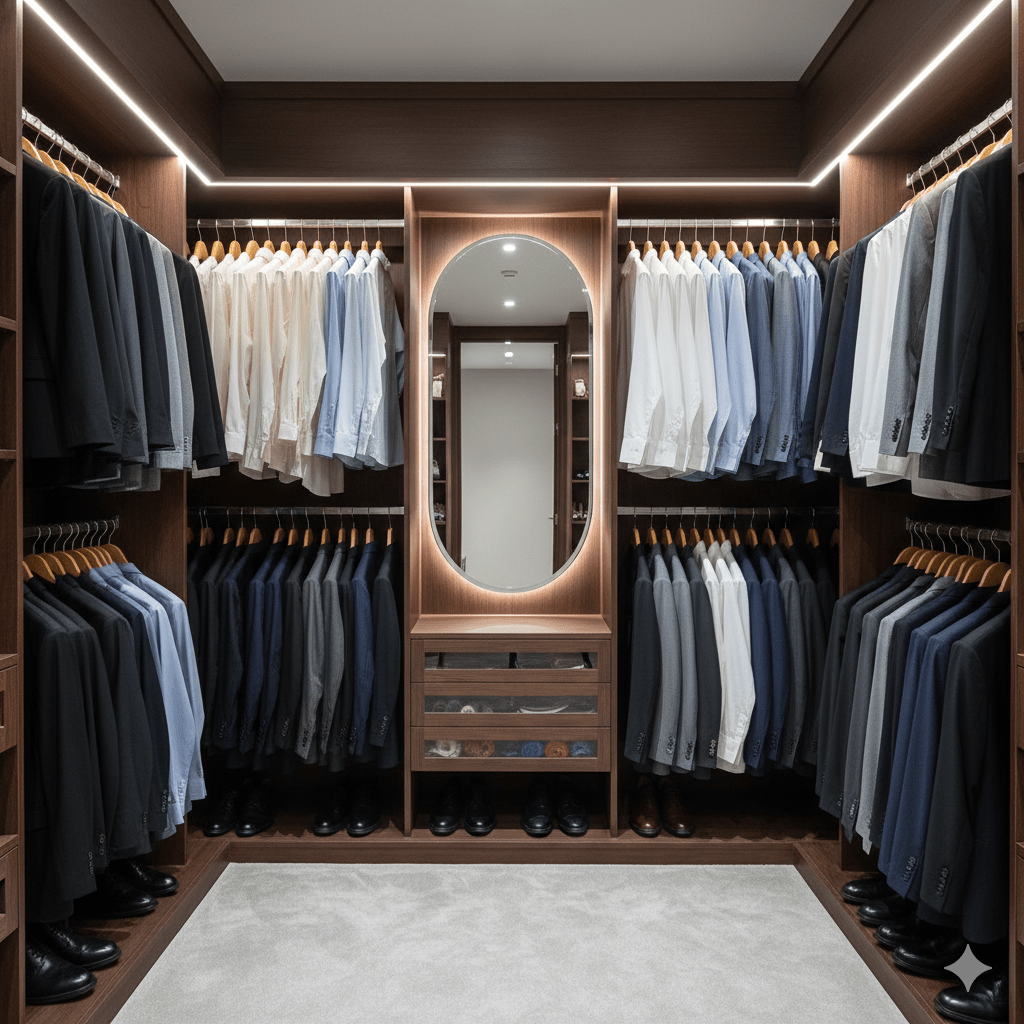
Very short post. I’m doing paperwork. Go and make sure everything is on a hanger, in a box, or in storage. Nothing out of place in the closet.

Health Storey Daily for Clients
Very short post. I’m doing paperwork. Go and make sure everything is on a hanger, in a box, or in storage. Nothing out of place in the closet.
If you’ve ever felt overwhelmed by a closet full of clothes you rarely wear, you’re not alone. A focused, one-hour monthly routine can transform how you dress for work and for home life. The goal is a clear, efficient work capsule you can mix and match with ease, while keeping your casual life wardrobe distinct. Below is a simple, repeatable process you can run every month to sort, prune, and optimize your outfits.


A practical starting point is a two-week work rotation, with a little extra for variety. A common, easy-to-manage target is 14–16 work outfits for a typical two-week cycle.
A 60-minute monthly routine. Use a timer if you like; the goal is a declutter routine you can complete each month.
If you still have time in your monthly hour, organize clothing into capsules and consider new purchases.
Use labeled hangers for work items; keep your work capsule visually distinct from home items.
If you like being organized, keep an inventory of your clothing and items to buy to strengthen your work capsules.
Welcome to Monday! I’m working on the corporate paperwork and training an AI but the cleaning Goal for you and for myself today is:
| Clearing the space around the bed – Decluttering – Getting rid of visual stress |

Did you drink your coffee today? For detoxification, it is important to have coffee in the morning with some dairy. You can have dairy in your coffee or have a piece of cheese. Health Storey Coaches can explain to you the importance of coffee with dairy milk.
Clear Space, Clear Mind: The Importance of Minimal Visual Clutter in the Bedroom (Especially Around the Bed)
If your bedroom feels like a staging room for everything you own, your sleep routine might be paying the price. Visual clutter can drain energy, disrupt relaxation, and even make mornings feel chaotic. The good news? A simple, deliberate approach to keeping the space around your bed free of clutter can transform how you rest, recharge, and wake up. Here’s why it matters and how to make it work in real life.
Why visual clutter around the bed matters
What “clutter around the bed” typically looks like

Step 1: Start with the essentials, then edit
Step 2: Tidy cords and devices
Step 3: Manage books, papers, and clutter hotspots
Step 4: Reassess under-bed storage | We will talk about this again later in the week. |
Step 5: Create a safety-first layout
Step 6: Design for calm
Below is the Newsletter for Week 2 With the Prompts for this week. For some reason, I put them on the newsletter page but did not give you a link yesterday on this site. #growingpains

Between planning your year and juggling a million little details, a tidy, hygienic kitchen can feel like a stress-reliever, not a chore. A clean environment isn’t just about appearances—it helps reduce cross-contamination, supports safer food prep, and leaves you with one less thing to worry about on a busy day. Here’s a practical guide to keeping your kitchen surfaces clean, understanding the germs that linger, and mastering the basics of rinsing food and washing hands.
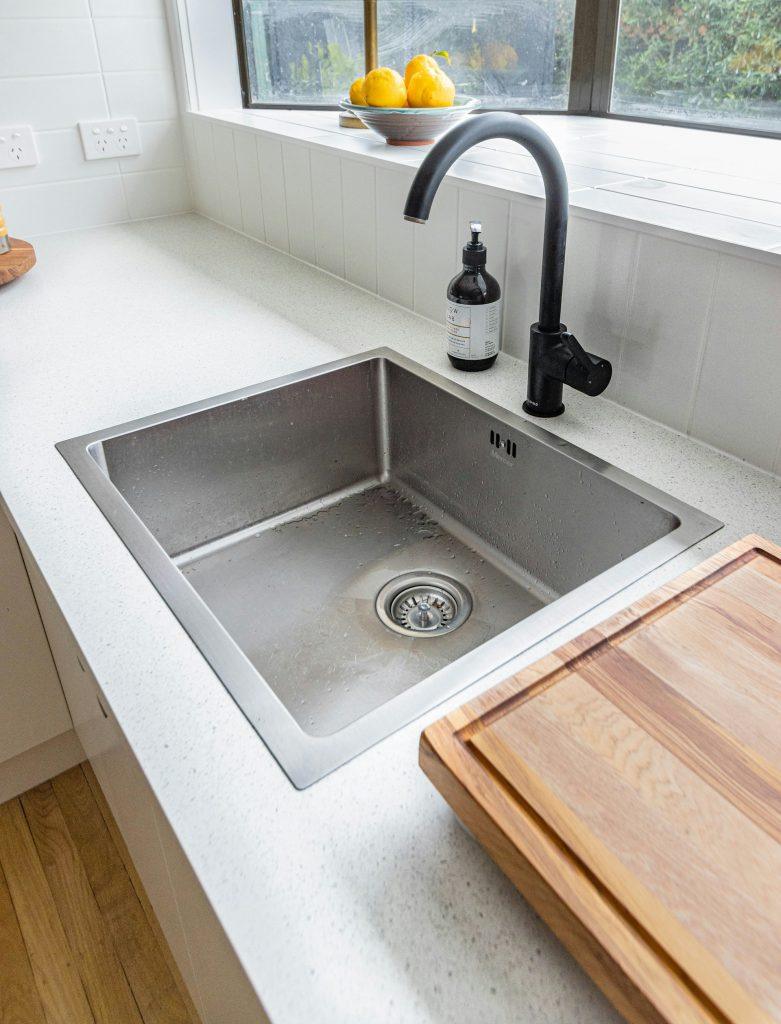
The kitchen sink is a hub of activity, not just for dishwashing but often for food preparation and general cleanup. Creating a dedicated hand washing station right next to it can significantly enhance hygiene, convenience, and efficiency in your kitchen routine. No more reaching for the bathroom or contaminating food prep areas – everything you need for clean hands is precisely where you need it.
By investing a little thought into creating a dedicated hand washing station, you’ll not only elevate the cleanliness of your kitchen but also promote healthier habits for everyone who uses it.
Please look for the Health Storey Newsletter for this week’s goals.
Detox Your Kitchen: Removing Everything That Causes You to Overeat Calories
When it comes to managing weight and creating healthier eating habits, the environment you live in plays a crucial role—especially your kitchen. If your kitchen is filled with tempting snacks and calorie-dense foods, resisting overeating can become a battle. One effective way to regain control is to detox your kitchen by categorizing and removing foods based on their ability to trigger overeating.

Originally developed in the late 1970s and early 1980s by Dr. Leonard H. Epstein and his colleagues, the “Traffic Light Diet” was designed as a simple dietary tool for family-based childhood weight research. This system uses three colors—red, yellow, and green—not to describe the colors of foods themselves, but as a guide to regulate eating behaviors. For detoxing and controlling overeating, we can adapt this system to classify foods based on how they impact your tendency to overconsume.
Red foods tend to have characteristics that make them highly palatable and easy to overeat. Examples include:
Removing these foods can dramatically reduce temptations and mindless snacking, helping to break the cycle of overeating.
Yellow foods aren’t forbidden, but they demand caution:
Keep yellow foods in moderation and ensure portion control. These foods can be part of a healthy diet but should not be consumed excessively.
Green foods promote fullness and nourish your body without triggering overeating:
By focusing on green foods, you create meals that provide appetite control, body health support. By eating nutrient-dense food, Health Storey detoxers provide building blocks for the body to improve it’s health baseline.
The time it takes to inventory and label a kitchen can vary depending on the size of the kitchen, the number of food items, and how organized the space is initially. Here’s a general time estimation:
Small Kitchen (1-2 pantry/cabinet areas, fridge, freezer): 30 to 45 minutes
Medium Kitchen (3-4 pantry/cabinet areas, fridge, freezer): 45 to 75 minutes
Large Kitchen (multiple pantry/cabinet areas, large fridge & freezer): 1.5 to 2 hours
This time estimate includes:
Taking everything out for a clear view and sorting
Classifying foods into red, yellow, and green categories
Labeling items and deciding what to keep, limit, or remove
Organizing the remaining foods back into the kitchen
For a smoother process, it helps to have labeling materials ready (stickers, markers, or pre-printed labels) and to allocate some uninterrupted time to focus on the task.
Classify your Foods with labels and calorie count: Use the red, yellow, and green system based on their ability to trigger overeating.
Eliminate Red Foods: Throw away, or give away red foods you don’t need. Do not keep them in your house.
Control Yellow Foods: Limit portions and buying frequency. Make sure the calories per serving is clearly labeled for when you are making decisions on what to eat during detoxing.
Stock Up on Green Foods: Shop for fresh, whole, and nutrient-rich options knowing the calories of each food you purchase.
Create New Habits: Plan meals around the green food category to stay on track.
Detoxing your kitchen by removing overeating triggers is a powerful step toward a better and healthier lifestyle. Using the adapted traffic light system helps simplify choices and reduce decision fatigue while promoting mindful eating habits. Remember, the goal is not perfection but creating an environment that supports your well-being and helps you enjoy food without guilt or excess.
Start your kitchen detox today and take control over your cravings—your body and mind will thank you!
Disclaimer: The content on this site is for educational purposes only and is not tailored to individual subscribers. Questions or topics may not be submitted unless you are registered as a Health Storey Client. All subscribers have access to the Website FAQ . No question is answered unless the person is a registered Health Storey Client. Dr. Emmy Ann Horstkamp, JD’s research on adipose detoxification is based on self-studies and publicly available research sources. Subscription to the Trefuly websites does not confer Certified Health Story Coach status. Thank you for reading!
Bookshelves are a treasure trove of knowledge, adventure, and inspiration. But over time, they can get cluttered and disorganized, making it hard to find your favorite book. Cleaning and organizing your bookshelf doesn’t have to be daunting—it can be done in just 60 minutes! Here’s how to organize your books, choose the best place to store them and why visiting the local library can be incredibly beneficial to your budget.
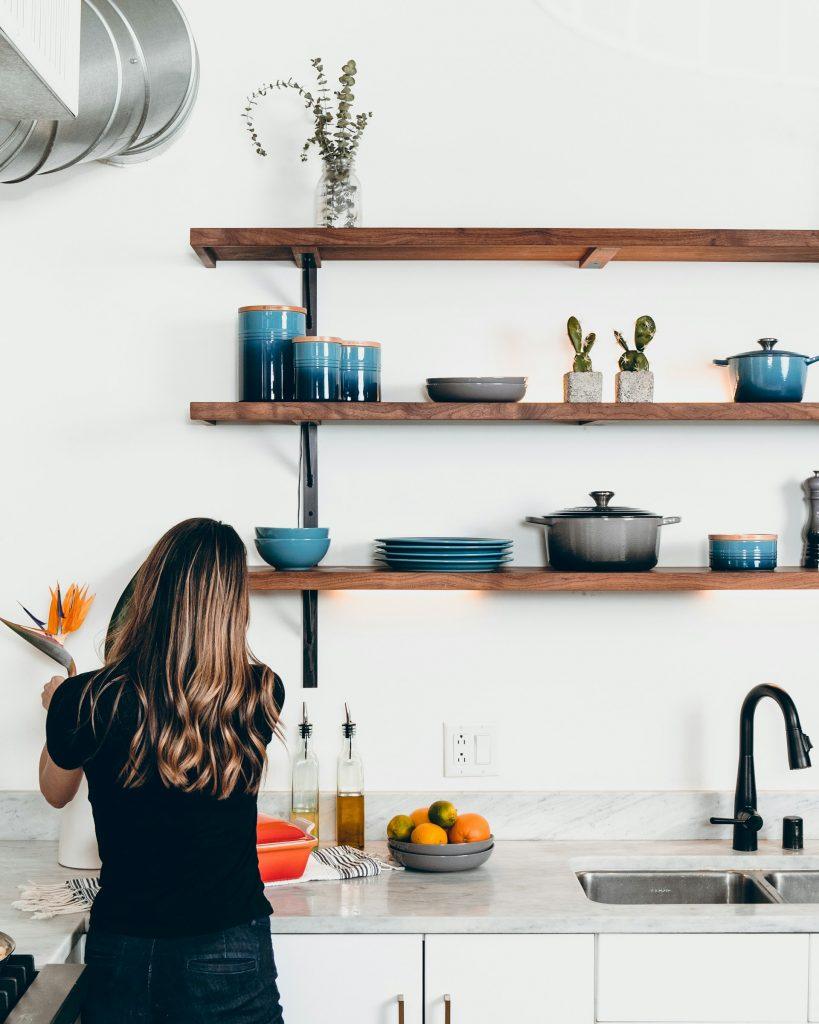
Start by removing all the books from your bookshelf. Use a soft cloth to wipe down the shelves. This keeps your bookshelf looking good.
There are several effective ways to organize your books:
The ideal location for your books should have:
Public Libraries are a fantastic place to discover a wide range of books at no cost. Here’s why checking out books saves you money:
Books open a doorto new worlds, ideas, and perspectives. They expand the imagination, provide education, and promote intellectual debate. Reading enriches your knowledge base and sharpens your critical thinking skills.
The best information to focus on depends on your personal goals. Fiction can inspire creativity; non-fiction can improve skills or knowledge; self-help books can foster personal growth. Diversify your reading to gain a broad range of benefits.
Cleaning and organizing your bookshelves for 60 minutes a week can create a welcoming space that invites you to read or look up facts. Utilize your home as a place to store your books on your favourite topics and hobbies. Make the most of your local library to save money while expanding your reading horizons. Happy reading and cleaning of your bookshelves.
Start your day with a cappuccino and then a healthy breakfast that fuels your body and brain without excess calories:
Total breakfast calories: ~470
For lunch and dinner, focus on whole foods like plant proteins, lots of vegetables, and whole grains. For example:
Meal Plans totals around 900 – 1200 calories, keeping you satisfied while supporting weight management and energy balance.
| Health Storey Note | If you burn more NEAT calories, you will be happier at the end of the on-ramping with your weight management.
Disclaimer: The content on this site is for educational purposes only and is not tailored to individual subscribers. Questions or topics may not be submitted unless you are registered as a Health Storey Client. All subscribers have access to the Website FAQ . No question is answered unless the person is a registered Health Storey Client. Dr. Emmy Ann Horstkamp, JD’s research on adipose detoxification is based on self-studies and publicly available research sources. Subscription to the Trefuly websites does not confer Certified Health Story Coach status. Thank you for reading!
Here’s is Health Storey’s structured 30-day daily goal plan for cleaning and clearing while on-ramping into healthy eating. Each day has a daily goal with suggested time frames for each task. You can start on any day but Health Storey suggests you start on a Monday.
30-Day Clearing Schedule with Daily Goals and Time Frames
Take a peek if you don’t get stressed out. If you get stressed out, just wait for the post each day and follow the daily prompt.
For Today, Focus on Your Front Door cleaning away cobwebs, clearing the glass , spraying down the front door and removing any debris from in front of the door. By clearing the front entrance you are burning NEAT calories which is part of living a healthy lifestyle. To accomplish this goal, the minimal equipment you will need are paper towels, windex, a broom, a dustpan and a plastic bag. Schedule 30 minutes to finish this activity.
NEAT Exercise (Non-Exercise Activity Thermogenesis):
NEAT refers to the energy expended for everything we do that is not sleeping, eating, or planned sports. NEAT activites include walking around the house, typing, gardening, cleaning, cooking, and standing. NEAT plays a significant role in daily calorie burn and overall energy expenditure, contributing to weight management and metabolic health.

As you begin your detox journey, it’s important to honor your personal readiness and preferences. Some people prefer to take the leap and start detoxing cold turkey—making an immediate and complete commitment to cleansing their body and environment from day one. This approach can provide an immediate reset and a more drastic result.
Others feel more comfortable taking their time. By gradually emptying their kitchen of their food inventory and restocking with healthy foods, the detoxer can begin a healthy lifestyle removing toxins in a less stressful way. This type of transition allows the detoxer to adjust to the pivot at a slower pace, remove old habit cues with healthier ones and build a sustainable and healthy lifestyle.
Both paths are valid and powerful. The key is to start, so let’s start! Whether you jump straight in or take steady steps forward, your health lifestyle begins now, as you build your healthy life foundation.
Sure! Here’s a concise version of the notice suitable for the bottom of each blog post:
Disclaimer: The content on this site is for educational purposes only and is not tailored to individual subscribers. Questions submitted are added to the FAQ and not answered personally. Dr. Emmy Ann Horstkamp, JD’s research on adipose detoxification is based on self-study and publicly available sources. Subscription to the websites is not the certification course and does not confer a Certified Health Story Coach status to subscribers. Thank you for reading and subscribing!
[menu_in_post_menu menu=18 style=”list”]