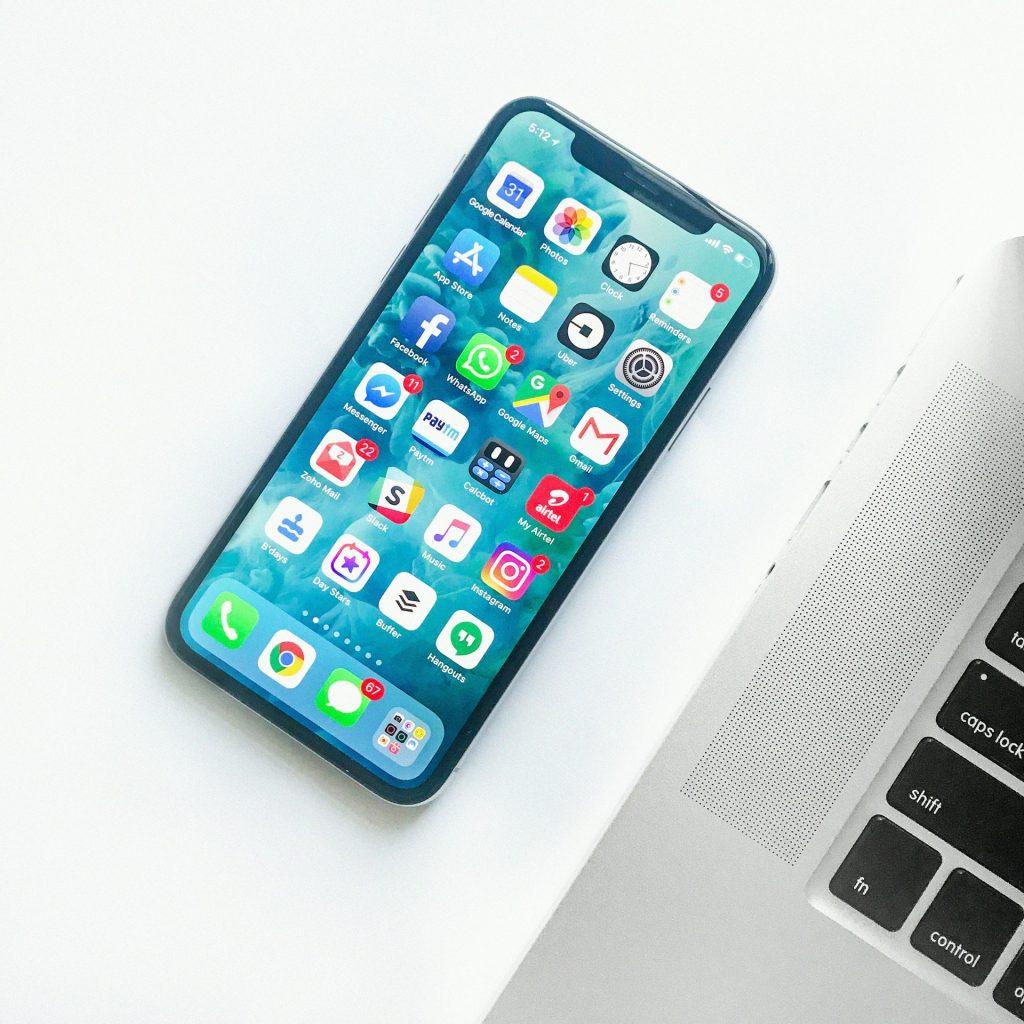
Today, decide what kind of emojis you will use in your texting with friends and have an agreement on what the emojis mean for your friends.
Proper Emoji Use:
Category
Emojis
Best Use Case
Friendly/Polite
😊 🙂 👋
Acknowledge a message without being cold.
Agreement
👍 ✅ 👌 🙌
“Got it,” “Sounds good,” or “Great job.”
Humor (Safe)
😂 🤣 💀
Standard reaction to something funny.
Thoughtful
🤔 🧐 📝
Use when discussing an idea or “thinking out loud.”
The “Softener”
✨ ☕ ☀️
Adds a bit of cheer to a morning text or a plain sentence.
Avoid these Emojis to keep the Text Away From Weird Flirting
The “Heart” Variants: ❤️ 💖 💘 (Even the classic red heart is often seen as romantic.
The Faces: 😉 (The wink is the universal sign for “I’m flirting/teasing”), 😍 (Heart eyes), or 😘 (Blowing a kiss).
3 Rules for G-Rated Texting Etiquette
1. One is Enough Over-using emojis such as “See you there! 😊😊😊✨✨” can come across as overly eager or “bubbly” in a way that might be misread as romantic interest. Stick to one or two per message.
2. Match the Energy If they don’t use emojis, keep yours to a minimum. If you send a string of emojis to someone who only uses periods, it creates a “personality gap” that can feel awkward.
3. Use the “Business Test” If you wouldn’t feel comfortable sending that specific emoji to a friendly coworker or a cousin, don’t send it to the person you’re trying to keep things platonic.
Example of a G-Rated “Softener”:
Without emoji: “I’ll be there at 5.”
With emoji: “5pm! 👍 or 1700?👍
Both are fine. Place in your agreement how you feel about emoji’s and how you would like to use them with your text partner.
Here are a few phrase that act as a timeout during an argument that is facing a HALT trigger:
For Hunger :“I really want to hear what you’re saying and give this my full attention, but I’m realizing my blood sugar is crashed and I’m starting to get irritable. Can we pause for 20 minutes while I grab a snack so I can be more present?”
For Fatigue :“I care about this, but I am so exhausted right now that I’m not thinking clearly. I don’t want to say something I don’t mean because I’m tired. Can we pick this back up tomorrow morning after coffee?”
For Physical Pain :“My [back/head/etc.] is really hurting right now, and it’s making it hard for me to stay calm. I’m starting to feel defensive because of the pain. Let me take some ibuprofen and rest for a bit, and then let’s finish this.”
The Three Golden Rules of a Timeout
To ensure the other person doesn’t feel blocked, which can escalate their anxiety, follow the following guidelines:
Use “I” Statements: Focus on your own physical state such as, “I am feeling overwhelmed”. rather than how they are behaving.
Give a Time frame: Always tell them when you will be ready to continue the argument and how you would like to continue arguing.
Reassure the Connection: Briefly mention that the relationship or the topic is important to you, which lowers the stakes of the pause.
By naming the physical sensation—hunger, pain, or exhaustion—you move the conflict from an emotional battle to a logistical problem. It takes a negative label off your partner and places it on the biological factor that is actually causing the friction.
If you are so angry that you need a pause and don’t want to talk anymore, use these text messages:
“Hey, I’m feeling really overwhelmed and [tired/hungry] right now. Can we take a 30-minute break so I can reset? We can start chatting by text in thirty minutes.
“I’m having a hard time focusing because of physical pain. [headache/back pain/fatigue]. I really want to hear you out, but I need to go take some meds maybe lay down for a bit. Lets restart this tomorrow or after the meds have taken the pain away. “
“I’m starting to feel angry and I don’t want to take it out on you. I’m going to grab some food and clear my head. I love you—let’s pick this back up in a few hours by text OK?”
Tips for Sending the “Timeout” Text
The “Check-Back” Time: Always include a specific time or duration to prevent the other person from feeling like they are being ignored.
The “I Love You” Buffer: If it’s a partner or close friend, adding a small reassurance like “I care about this” or “I love you” helps lower their defensive walls while you’re away.
Silence the Notifications: Once you send the text, put your phone on ‘Do Not Disturb’ for the duration of your break.
For the next ten days, focus on observing your current fighting style without trying to fix it.
Day 1: Identify your “Conflict Style” (e.g., The Pursuer vs. The Withdrawer).
Day 2: List your top three “Recurring Arguments” (the ones that never get solved).
Day 3: Identify your physical “Tell” for anger (clenched jaw, heat in chest).
Day 4: Log “Kitchen Sinking”—note every time a past issue is brought into a current one.
Day 5: Track “Tone of Voice”—notice when sarcasm replaces directness.
Day 6: Identify your “Early Warning System” (the moment you know a fight is coming).
Day 7: Discuss “The Hangry Factor”—how hunger or fatigue affects your patience.
Day 8: Audit your “Digital Habits”—do you argue over text? (Agree to stop this).
Day 9: Identify “Interruption Patterns”—who talks over whom?
Day 10: Share one thing your partner does well during a disagreement.
Today, review and define your arguing style in your relationship using the following styles as the basis to describe your arguing style for different situations in your relationship.
Competing
This is the “I win, you lose” approach. It is high on assertiveness and low on cooperativeness.
When to use it: In emergencies where quick, decisive action is vital, or when an unpopular decision must be implemented.
The Risk: It can breed resentment and damage long-term relationships if used as a primary tool.
Accommodating
The polar opposite of competing, this is “I lose, you win.” You prioritize the other person’s concerns over your own to maintain harmony.
When to use it: When you realize you are wrong, when the issue matters much more to the other person, or when “keeping the peace” is more valuable than the specific outcome.
The Risk: Your own needs may be consistently ignored, leading to burnout or “martyr” feelings.
Avoiding
This is the “No winner, no loser” style. You sidestep the conflict entirely, neither pursuing your own goals nor helping the other person with theirs.
When to use it: When the issue is trivial, when tensions are too high and people need to cool down, or when you have no chance of winning.
The Risk: Problems often fester and grow larger when they aren’t addressed.
Collaborating
This is the “I win, you win” style. It requires high assertiveness and high cooperation. Both parties work together to find a creative solution that fully satisfies everyone’s concerns.
When to use it: When the concerns of both parties are too important to be compromised, or when you want to merge different perspectives.
The Risk: It requires a lot of time, energy, and trust from both sides.
Compromising
This is the “We both win a little, we both lose a little” middle ground. It’s the “split the difference” approach where both sides give up something to reach a quick agreement.
When to use it: When you need a temporary fix for a complex issue or when you’re at a standstill with a peer of equal power.
The Risk: It can result in a “sub-optimal” solution where neither party is actually happy, just equally dissatisfied.
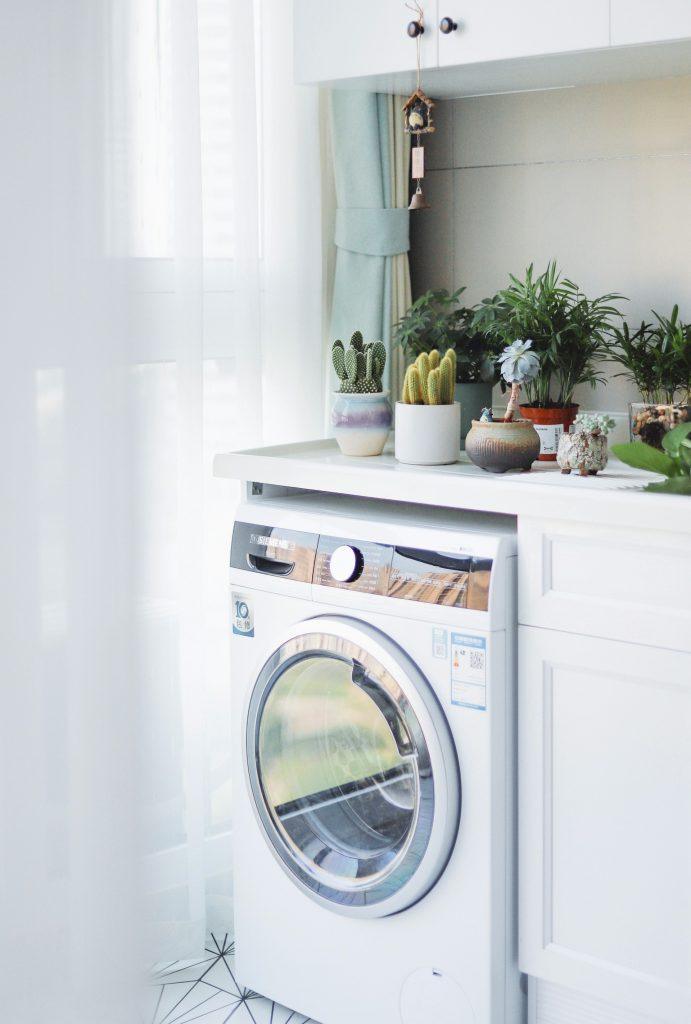
Today, Clean out your washer and dryer. Below are some tips on cleaning out both machines and some maintenance suggestions:
Clean the Washer
The Tub Clean: Most modern washers have a “Tub Clean” cycle. If yours doesn’t, use the Heavy Duty or Whites setting with the hottest water available.
The Cleaning Agent: Use a specialized washing machine cleaner tablet, or substitute with 2 cups of white vinegar poured directly into the drum.
The Gasket (Front-Loaders Only): This is the rubber ring around the door. Wipe it down with a 1:1 solution of vinegar and water. Be sure to peel back the folds to find trapped hair, coins, or slime.
The Filter: Locate the small hatch at the bottom front of the machine. Place a towel down, unscrew the filter, and rinse out the debris.
Clean the Dryer
The Lint Screen: Beyond emptying it after every load, wash the screen with warm soapy water once a month. Dryer sheets can leave a waxy film that restricts airflow even if the screen looks “clean.”
The Housing: Use a vacuum hose attachment to reach into the slot where the lint screen sits. You’d be surprised how much lint bypasses the trap.
The Drum: Wipe the interior drum with a microfiber cloth and a bit of rubbing alcohol or stainless steel cleaner to remove any transferred dyes or wax from dryer sheets.
The Exhaust Vent: At least once a year, disconnect the large silver hose from the back of the dryer and vacuum it out, or use a vent cleaning brush kit to clear the path to the outside wall.
Here is a seven week schedule to prepare for a Trip. It is written for going on a honeymoon but the system work for everyone. Have fun this week! I’m working on stuff and will be back to Writing on Feb 1st.
Daily goals to get you travel-ready and eating more vegetables this February.
As you plan trips and look toward a healthier routine, this week’s newsletter brings you a practical, easy-to-follow prep plan. We’ve lined up daily goals to get your space, your packing, and your meals on track—plus a February veggies spotlight to keep your plate vibrant even while you’re on the go.
This Week’s Daily Goals
– Monday, January 26: Empty Trash from House
– Tuesday, January 27: Organize a Drawer
– Wednesday, January 28: Vacuum the House
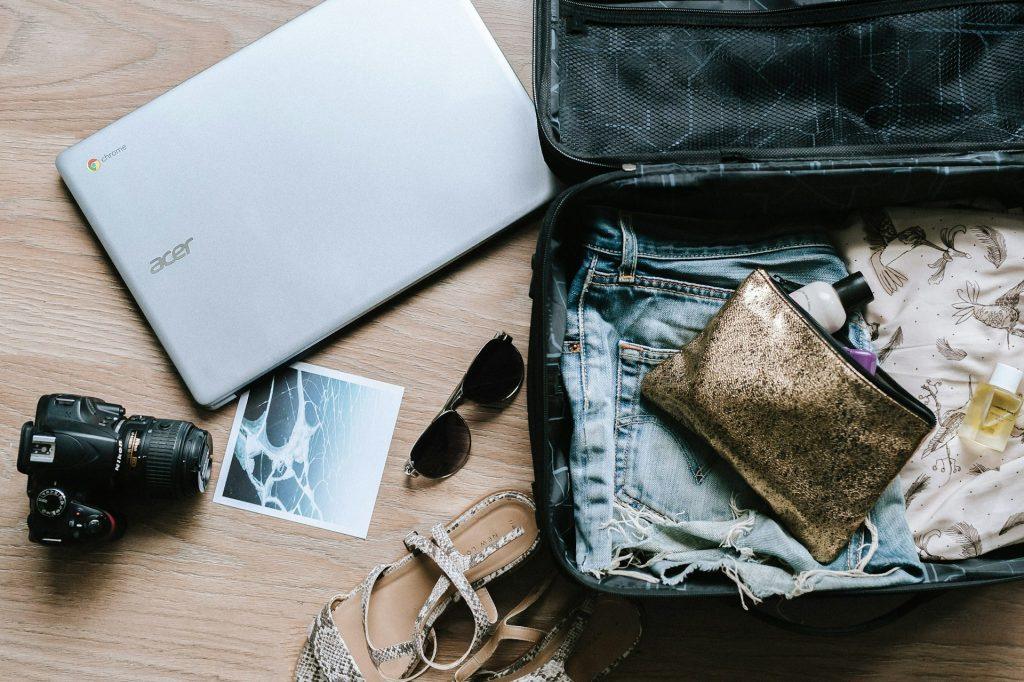
– Thursday, January 29: Prepare to Leave on a Trip
– Friday, January 30: Organize Travel Bags, Clean Them
– Saturday, January 31: Travel Luggage for a Weekend
– Sunday, February 1: February is About Eating More Vegetables
Healthy Travel Prep: Quick Tips
– Hydration on the go: Carry flavour packets. My favourite drink mix contains 3 grams of electrolytes that hydrate and add flavour to city tap water or bottle of water you purchase at the store. If you are packing light, you do not need to bring your own drink containers on your trip.
– Smart Lunch options: Before lunch or dinner, eat a handful of nuts to add protein to your meal. While traveling, your meals may not be as balanced or may contain less protein than at home.
-Focus on Neat Movement: You will be on a flight, spend the time at the airport standing or walking around. Track your mileage on your phone. Make sure to use the bathroom before getting on the plane and limit what you eat while flying. Grab a beverage when you land to drink while going through customs and picking up your luggage.
Sleep: Take ear buds and a travel pillow. You can buy a travel pillow at the airport for around ten dollars and give it to someone as a gift. Once you are at your destination, stay awake as long as you can to avoid jet lag. Carry a compact eye mask, earplugs, a small pillow, and a reusable tote for day trips.
Travel health kit: Grab the first aid kit you created for traveling and make sure it includes: basic bandages, antiseptic wipes, pain relievers, any personal meds, homemade ginger candy.
Focus of February 2026 Daily Goals
Vegetables
– Veggies of the Month: Bok choy Mushrooms, Peppers and Lettuce. Each week the focus will be on adding vegetables to our rice for breakfast and lunch.
Topics for Feb: Quick Prep for Veggies, Storage ideas and nutritional information and research on different vegetables being added into the Daily Story month.
Best Office Layouts for a Productive, Adaptable Workplace
The layout of an office does more than just hold desks and chairs. It shapes how people collaborate, where deep work gets done, and how a company adapts to change. A great office layout supports your culture, keeps people engaged, and scales with growth. The challenge is balancing openness with privacy, collaboration with focus, and cost with comfort. Below are the most effective layouts you’ll see in modern offices, along with when they shine, common pitfalls, and practical tips to make them work for your team.
Open-Plan / Collaborative Layout What it is: Long rows or clusters of desks with minimal walls, designed to enable quick conversations and spontaneous collaboration.
Pros
Fosters quick communication and teamwork.
Maximizes floor space and can feel more energetic and inclusive.
Easier to reconfigure as teams shift.
Cons
Noise and visual distractions can hurt focus.
Some employees may feel exposed or exposed to interruptions.
When it shines
Creative, design, and sales teams that rely on rapid feedback.
Startups or fast-growing teams that prioritize collaboration over privacy.
Use zones: dedicate specific areas for heads-down work and others for collaboration.
Create “quiet corners” with taller furniture or screens for focused work.
Introduce visual cues to signal when someone is in deep work mode (e.g., desk nameplates, signals, or status indicators).
Activity-Based Work Layout What it is: A campus-like approach with distinct zones for different activities—focus, collaboration, socializing, and breakout work—often with a mix of furnishings and clever wayfinding.
Pros
Supports varied work styles within one space.
Encourages collaboration in the right spaces and privacy when needed.
Flexible by design; easy to reallocate areas without major construction.
Cons
Requires thoughtful planning and clear usage guidelines.
Can feel chaotic if zones aren’t well defined or poorly signed.
When it shines
Teams with a mix of roles: developers who need deep focus, marketers who need collaboration, and managers who host meetings.
Companies undergoing frequent project shifts or process changes.
Practical Tips
Map activities to spaces: designate dedicated rooms or zones for focus, meetings, quick huddles, and social areas.
Plan sightlines and wayfinding: clear arrows, color-coded zones, and signage help people find the right space quickly.
Invest in flexible furnishings: height-adjustable desks, mobile whiteboards, and movable screens to morph spaces as needs change.
Consider acoustics in open areas: soft furnishings, wall panels, and ceiling treatments to keep background noise manageable.
Cellular Private Offices / Mixed Privacy Layout What it is: A mix of private offices or enclosed workstations with doors, balanced by shared spaces for meetings and collaboration.
Pros
Strong privacy and reduced interruptions for deep work.
Clear delineation between management and staff in many designs.
Cons
Can feel isolating and reduce spontaneous collaboration if overused.
Higher real estate costs per employee and potential underutilization.
When it shines
Roles that require confidentiality or extensive concentration (legal, finance, R&D, senior leadership).
Teams that need predictable meeting rooms and private spaces for sensitive conversations.
Blend with open, collaborative zones to avoid isolation.
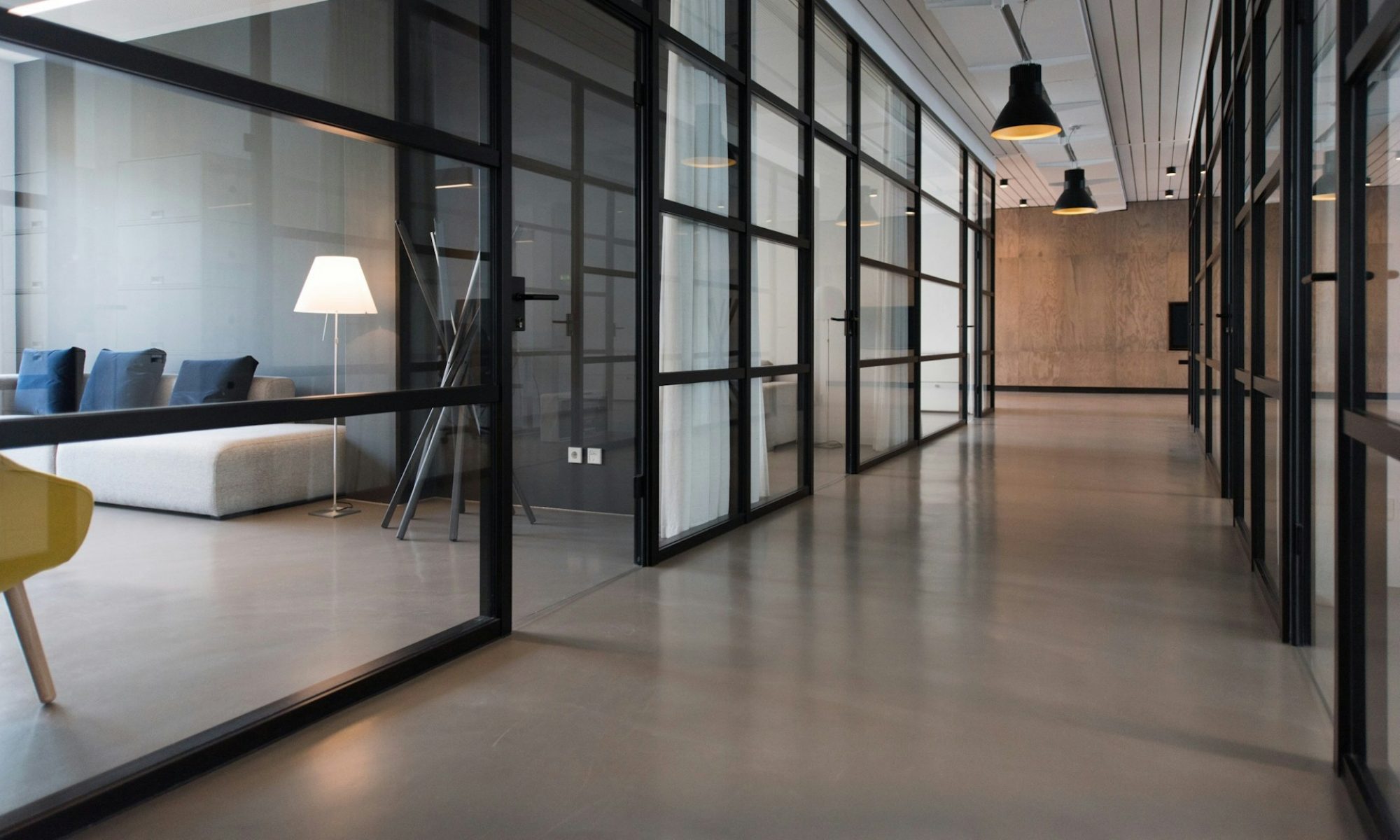
Use glass or transparent partitions to maintain a sense of openness while preserving privacy.
Create “office adjacencies” for quick interactions: place meeting rooms and quiet rooms near teams to minimize long walks.
Hybrid / Breakout-Heavy Layout What it is: A flexible mix of small nooks, breakout lounges, informal seating, and short-task desks designed to support quick, informal work sessions and meetings.
Pros
Encourages informal collaboration and rapid problem-solving.
Feels modern and approachable, often improving employee satisfaction.
Cons
Can suffer from underuse if spaces aren’t inviting or properly scheduled.
Requires ongoing management to keep reservation systems simple and fair.
When it shines
Teams that brainstorm frequently, run standups, or host clients in-house.
Offer a spectrum of breakout formats: high-top tables for quick chats, lounge seating for relaxed discussions, and semi-enclosed nooks for privacy.
Implement a simple booking or “first-come, first-served” system to avoid crowding and overlap.
Provide writing surfaces and digital collaboration tools in breakout areas to capture ideas quickly.
Modular / Flexible Layouts with Movable Walls What it is: Floor plans built with demountable walls, modular furniture, and easy-to-reconfigure components that evolve with your business.
Pros
Extremely adaptable to headcount changes or new workflows.
Protects long-term space value by enabling reconfiguration rather than relocation.
Cons
Higher initial investment and planning effort.
Requires ongoing management to keep the space coherent.
When it shines
Growing companies, firms that pivot often, or businesses planning frequent internal reorganizations.
Spaces that host rotating teams or cross-functional projects.
Practical tips
Plan for scalable zones: design core areas that can be expanded with modular inserts.
Choose modular furniture with multiple configurations to support different activities.
Keep electrical, data, and HVAC in mind; plan for future needs when you install partitions.
Deskless / Hot-Desking Layout What it is: A system where employees don’t have assigned desks; they choose a workstation when they arrive, often guided by a booking app.
Pros
Maximizes real estate efficiency; good for hybrid or remote-heavy teams.
Encourages movement and interaction across departments.
Cons
Personalization can be tough; some people struggle to leave belongings behind.
Requires strong IT and facilities support to manage bookings, equipment, and entry access.
When it shines
Companies with strong hybrid work policies or limited on-site needs.
Teams that travel between client sites or work remotely part
What are we writing about today? Building a calm, productive home office with smart layout, clever storage, and simple maintenance habits that keep clutter at bay—without sacrificing style or comfort.
Monday : Daily Health Storey Goal | Clear off your desktop for one hour.
Working from home can blur the line between living space and workspace, which often leads to clutter creep. The goal isn’t a sterile office; it’s a space that feels calm, functions efficiently, and still reflects your personality. Below is a practical guide to designing a home office that stays neat through smart layout, thoughtful storage, and easy maintenance routines.
Laundry 101: What to Wash, How to Choose Detergents, and How to Dry Things Right
Laundry Lab: Washing Everything That Belongs in the Washer
Keeping a busy home fresh and organized starts with smart washing and drying habits. In this issue, we simplify what can go in your washer, which detergents to use, and which fabrics should stay out of the dryer or need special care. Quick tip: always check garment care labels first—they’re the best guidance for each item.
Section 1: What can go in the washer
– Everyday cottons and linens: shirts, jeans, towels, bed sheets. Use warm or cold water depending on soil level and colorfastness; wash darks separately from lights.
– synthetics and blends (polyester, nylon, spandex): generally fine on cold or warm cycles; many hold color well.
– Delicates and sweaters: use a gentle or delicate cycle; consider a mesh bag for small items.
– Athletic wear: wash in cold water to protect elasticity; avoid fabric softeners which can reduce moisture-wicking.
– Kids’ clothing and bibs: follow label care; use fragrance-free detergent if there are sensitivities.
– Bedding and bath towels: can often handle warm water; use a longer cycle for bulky items.
– How to sort: by color (lights, darks, bright colors), by fabric type (delicates separately), and by soil level (heavy soils separate from lightly soiled items).
Section 2: Detergents to use
– Types of detergents:
– Liquid detergents: great for greasy stains and pre-treating; easy to measure.
– Powder detergents: often cost-effective; good for hard water when paired with a water-softening booster.
– Detergent pods/pacs: convenient, but use only one per load and keep out of reach of kids.
– Fragrance-free or dye-free options: better for sensitive skin or households with allergies.
– High-efficiency (HE) washers vs standard machines:
– If you have an HE washer, use HE detergents. They produce fewer suds and work best with reduced water.
– If you have a standard washer, regular detergents work fine, but follow the label for the correct amount.
– How much to use:
– Follow the product label; a typical small-to-medium load often uses less than the cap suggests.
– For hard water, you may need a little more detergent or a water-softening booster.
– Special boosters (optional):
– Oxygen-based bleach for whites and color-safe brightening (avoid chlorine bleach on colored fabrics and delicate fibers).
– Stain pretreaters for tough spots (grease, wine, grass). Test on hidden seam first.
– Tips for sensitive households:
– Choose fragrance-free, dye-free detergents.
– Rinse cycles matter; extra rinse can help remove detergent residue that irritates skin.
Section 3: What can be dried in the dryer vs. what should air-dry
– Dryer-friendly items (low to medium heat; shorter cycles help extend life):
– Most cottons and poly-cotton blends
– Synthetic fabrics (polyester, nylon blends)
– Towels and bath sheets
– Sweatshirts and fleece (watch for pilling)
– Delicates and items to air-dry or lay flat:
– Wool and cashmere sweaters (lay flat to preserve shape)
– Silk, satin, and delicate tops (use a lingerie bag or air-dry)
– Rayon/viscose and some duplex fabrics (check care label; many are air-dry only)
– Certain knitted patterns and beaded garments (premature shrinkage risk)
– What “dry-clean only” really means for home laundry:
– Dry-clean-only items should not go in a home washer or dryer unless the care label explicitly says otherwise.
– If you’re ever unsure, test with a small, inconspicuous area or take to a professional cleaner.
– Practical tips to dry efficiently:
– Clean the lint screen before every load to maximize drying efficiency.
– Use the right heat setting: low/air-dry for delicates; medium heat for most cottons; high heat only for sturdy items that tolerate it.
– Use dryer balls or clean tennis balls to help bounce and reduce drying time for bulky items like towels and blankets.
– Remove items promptly to minimize wrinkles; fold or hang after they’re dry.
Section 4: Quick home laundry routine templates
– Everyday casual path: cold wash for most colors, gentle cycle for delicates, air-dry or low-heat for delicate pieces.
– Towels and bedding path: warm wash if soil is moderate, longer dry on medium heat, add dryer balls to speed up drying.
Section 5: Troubleshooting tips
– If colors bleed: wash separate for the first few cycles or use color-catching sheets.
– Lingering odors: rewash with a bit more detergent and add a half cup of baking soda to the wash.
– Clothes shrinking after a warm wash: avoid high heat; re-wet, re-shape, and air dry if possible.
– Detergent residue on clothes: add an extra rinse cycle or run an extra rinse on the machine.
Section 6: A quick care checklist
– Always check care labels before washing.
– Sort by color, fabric type, and soil level.
– Use the appropriate detergent and the recommended dose.
– Match water temperature to the fabric and soil.
– Dry items on the recommended setting; avoid high heat on delicates.
Daily Goals for this Week
Monday – Clear Desk Space
Tuesday – Sort Paperwork
Wednesday – Tidy Desk Drawer
Thursday – Organize Digital Files
Friday – Clean Keyboard
Saturday – Create Functional Workspace
Sunday – Add personal Touches to work space at work and home