Out of Office Checklist Section of your Binder – THE DEPARTURE CHECKLIST
Dates Away: [Start Date] to [Return Date]
Priority Tasks in Progress to be Monitored
Task: [e.g., The Monthly Report]
Status: [e.g., 80% done; just needs Friday’s data.]
Action Needed: [e.g., Please hit ‘Send’ on Monday morning.]
Key Contacts & Stakeholdersfor Each project – Notification that desk is on Vacation –
If [Client/Boss Name] calls, tell them: [Instructions].
For urgent issues regarding [Project X], contact: [Name of backup person].
Where to Find Things. Verify Locations and Update Records
Physical Files: Located in [Drawer/Folder Name].
Digital Files: Saved on the shared drive at: [Pathway/Link].
Passwords/Keys: [Mention if they are with the Manager or in the secure lockbox].
Emergency Contacts at WORK for your Desk
Please only contact me for: [e.g., True emergencies / Don’t contact me at all!]
Best way to reach me: [Phone number/Email].
Create Notes for my Return Section with a Tab. Make sure your Colleagues know they may add notes to your Binder.
Notes for My Return: Please jot down anything major that happened here so I can catch up quickly and anything you may need accomplished which is not urgent but has a deadline.
Title: The Essential Home First Aid Kit: What to Include, How to Store It, and Basic First Aid for Common Home Injuries
Being prepared with a well-stocked first aid kit can make a real difference when accidents happen. A good kit isn’t just about having bandages; it’s about having the right supplies organized so you can act quickly and calmly. This guide gives you a practical shopping list, storage tips, and simple first aid steps for the most common home injuries. If someone is severely injured (heavy bleeding, trouble breathing, chest pain, fainting, head injury with confusion, etc.), call emergency services right away.
What to include in a home first aid kit
Think in categories: supplies for cleaning and protecting wounds, bandages, tools, medications, comfort items, and documentation. Adapt quantities to the size of your household.
Basic home kit
First aid manual or quick-reference card (the quick steps you can follow)
Sterile gauze pads (4×4 inches and 2×2 inches; several each)
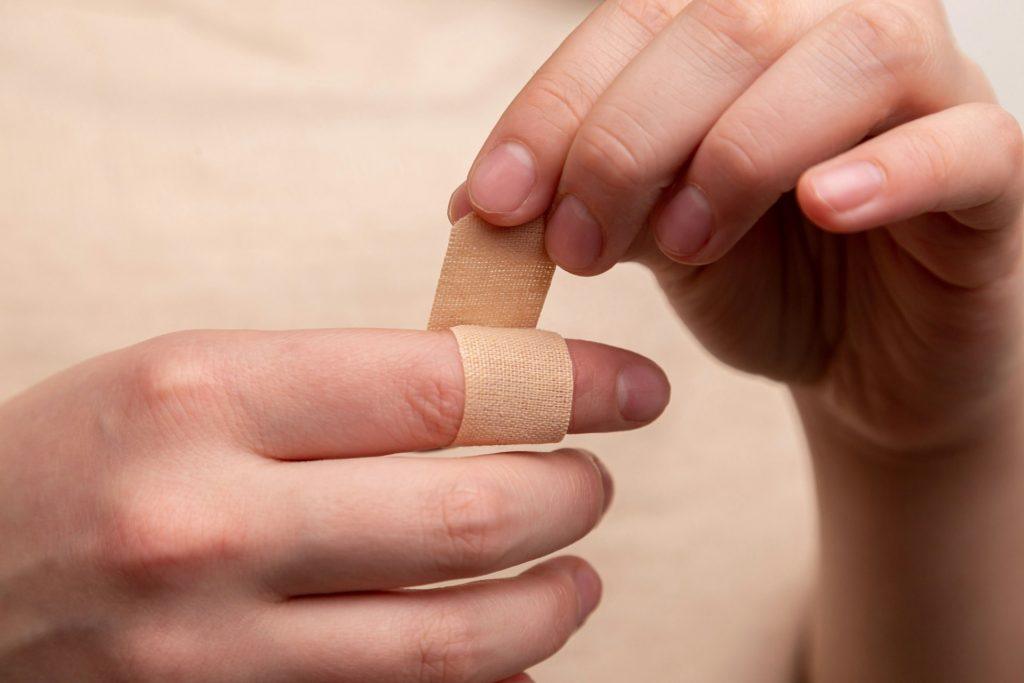
Adhesive bandages in multiple sizes (a few large, several small, plus some waterproof)
Adhesive tape (medical tape, 1 inch wide)
Antibiotic ointment (topical antibiotic) and antiseptic wipes or solution
Hydrocortisone cream (1%) for itching and rashes
Burn gel or nonstick dressing for minor burns
Disposable sterile gloves (nitrile or latex) in at least 2 pairs
Scissors (sturdy, blunt-tip) and tweezers
Elastic or cohesive bandages (for sprains)
Instant cold packs (2–4)
Warmth/heat pack (optional for comfort; not a substitute for medical care)
Pain relievers/fever reducers (check age suitability): acetaminophen and/or ibuprofen (for adults; pediatric versions if you have children)
Oral rehydration salts or a sports drink powder (for dehydration)
Saline nasal spray or contact lens solution and/or sterile saline for eye irrigation
Thermometer (digital, preferably with a fever range)
Washable red safety pin or “triage” pin for securing bandages
Emergency contact card with family doctor, local urgent care, poison control, and emergency numbers
A small flashlight and extra batteries (good for nighttime needs)
A simple, waterproof container or pouch to keep items dry and organized
A list of allergies and medications for all household members (keep it updated)
Optional upgrades
Additional specialty items: butterfly closures (steri-strips) for small lacerations, a suture removal kit (for trained users—not a substitute for professional care), a CPR face shield or barrier device, a blood glucose meter (if someone in the home has diabetes), and an allergy/epinephrine plan if someone has a known severe allergy (and must-have auto-injector if prescribed)
Extra supplies for kids: kid-friendly bandages and gentle skin cleansers
A small notebook or wipe-clean sheet to log injuries and actions taken
How to store and organize the kit
Pick a single, accessible location: a kitchen cabinet, pantry shelf, or a dedicated closet where clutter is minimal and the kit isn’t exposed to heat or moisture.
Choose the right container: a hard-shell tackle box, a small plastic toolkit, or a labeled first-aid chest with clear compartments. The goal is visibility and quick access.
Medications and burn/relief items: pain relievers, hydrocortisone cream, burn gel
Comfort and protection: gloves, instant cold packs, spare blankets or a small nasal saline
Documentation and extras: emergency numbers, allergy list, thermometer
Label clearly and keep items in their original packaging as much as possible (e.g., medicine bottles with dosage instructions).
Check expiration dates regularly (every 3–6 months is a good rule). Replace any expired items and rotate supplies so older items are used first.
Keep a simple inventory list on the inside of the kit lid or a small card in the box. Update whenever you add or remove items.
Child safety: if you have young children, store the kit in a high, locked cabinet or use a childproof container and teach older kids basic safety about not touching medicines.
Car and travel kits: it’s handy to have a smaller, separate kit for cars, workplaces, and travel, stocked with a few essentials (bandages, wipes, wipes, antiseptic, pain reliever, and a small pair of gloves).
Tailoring the kit for your household
Families with kids: include more adhesive bandages in kid-friendly sizes, extra antiseptic wipes, a digital thermometer, and age-appropriate pain relief meds with clear dosing on the label.
Seniors: consider larger-bandage options, extra elastic bandages, and a few enhanced wound-care items – nonstick dressings, wound-care tape with gentle adhesive.
Printable Shopping Checklist
Wound care and dressings
[ ] Sterile gauze pads, 4×4 inches: 20
[ ] Sterile gauze pads, 2×2 inches: 20
[ ] Nonstick sterile dressings: 4
[ ] Adhesive bandages, assorted sizes: 100
[ ] Antiseptic wipes or solution: 100-count
[ ] Antibiotic ointment (topical): 1 tube
[ ] Hydrocortisone cream 1%: 1 tube
Bandages, tapes, and wraps
[ ] Medical tape, 1 inch wide: 1 roll
[ ] Elastic or cohesive bandages: 2
[ ] Safety pins (for securing dressings): 1 small box
Tools
[ ] Blunt-tipped scissors: 1
[ ] Tweezers: 1
[ ] Digital thermometer: 1
[ ] Small flashlight with extra batteries: 1 set
[ ] First aid manual or quick-reference card: 1
[ ] Waterproof storage container or first-aid box: 1
[ ] Emergency contact information card (printable): 1
[ ] Allergy/medication list (laminated or waterproof): 1
Pain relief, antihistamines, and hydration
[ ] Acetaminophen (adult): 1–2 bottles
[ ] Ibuprofen (adult): 1 bottle
[ ] Oral rehydration salts or electrolyte powder: 1 box
[ ] Saline solution for eyes/nasal irrigation: 1 bottle