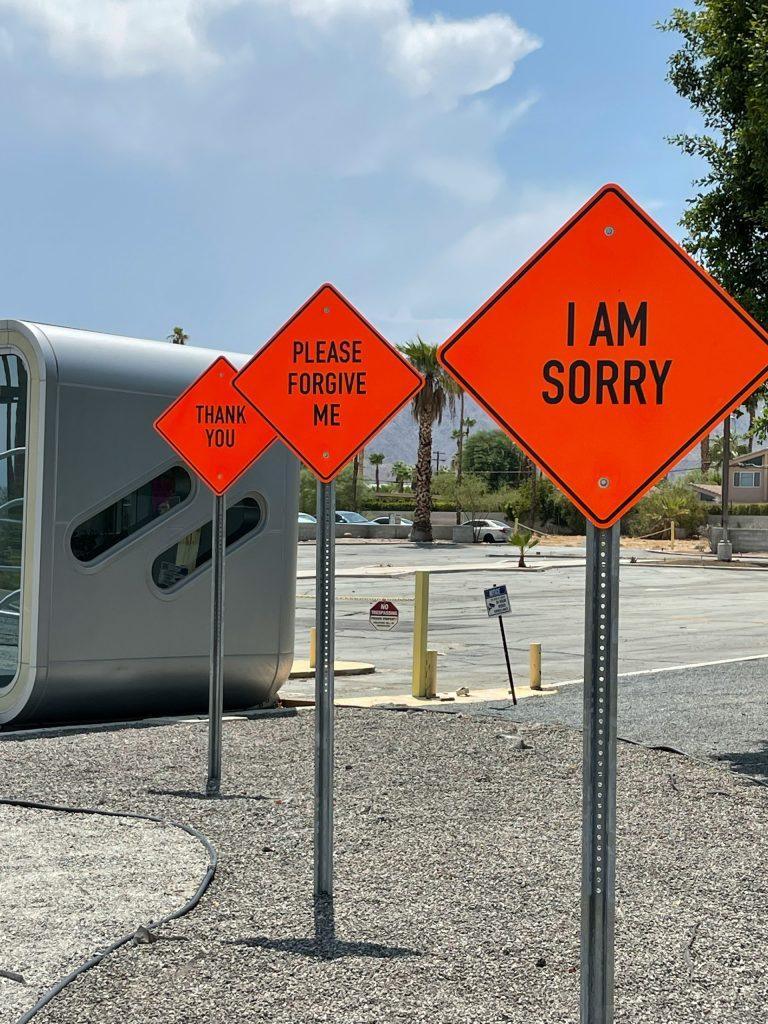
Use this for colleagues or clients when you’ve made a mistake that impacts their workflow.
Apologize for a missed appointment
Subject: Apology regarding [Project Name/Meeting]
Hi [Name],
I am writing to sincerely apologize for [missing the deadline/missing our meeting] earlier today. I understand that this has caused a delay or a need to reschedule and I take full responsibility for the oversight and lack of communication.
I am currently [mention the fix, e.g., finishing the report/sending over the notes] and will have it to you by [Time/Day]. I’m taking steps to ensure this doesn’t happen again.
Ending a conversation that’s spiraling or running over into another topic can be tricky, especially when people are still “in the zone.” The goal is to be a firm but appreciative.
Here are several ways to wrap things up, depending on how much time you have left:
The “Five-Minute Warning” (Pre-emptive)
Setting expectations early prevents a jarring stop.
“We have about five minutes left for this conversation based on the time we set on our timer. What next step do you want to take so we can get closer to a resolution.
I’m getting a bit tired and need a break. let’s summarize what we’ve decided.”
“I hear you. We need to schedule more time for this discussion, let’s take one last comment before we stop.”
The “Hard Stop” Statements
Use these when the clock has actually hit the limit:
“I’ve reached my limit on this topic. I know there’s more to discuss, so let’s move the rest of this to another scheduled time for this discussion.”
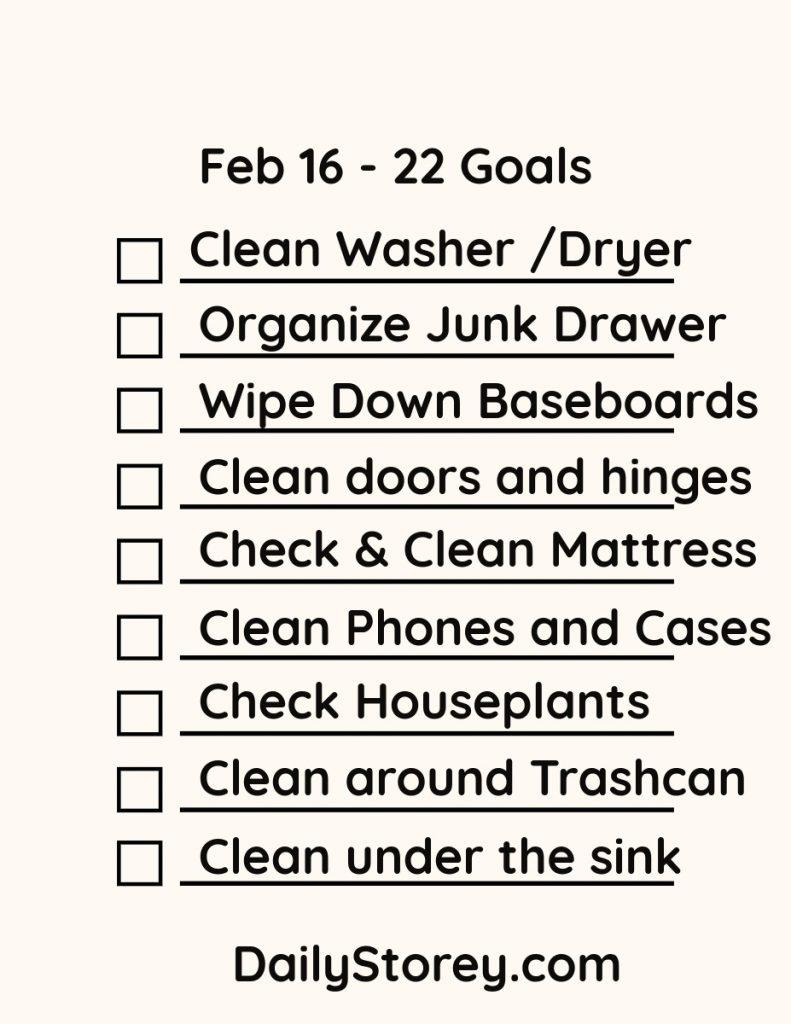
“I have to jump away from this conversation, we have to PICK A CHORE, and I want to make sure we are focused on the discussion and not our to do list. Let’s pick this back up on [Day].”
“That’s it for me. let’s pause a second stare at each other and wonder how we got into this situation. Write it down on a piece of paper and I will read it out loud back to you.”
Comparison of Closing Styles
Situation
Use This Statement…
Tone
Running Over
“I’m going to stop our discussion here so we can stay on schedule.”
Lighthearted but Firm
Unresolved Debate
“It’s clear we need another discussion.
Decisive
Productive Flow
“This is a great start. Let’s continue building to a resolution.”
Encouraging
Often, the most effective “statement” is a physical one. Closing your laptop, capping your pen, or standing up (if in person) signals to the room’s collective subconscious that the session is over and needs another meeting.
Follow Up Email or Text:
Text to Send After Discussion: Thanks for the time today. Since our discussion ended before we could reach a conclusion on the topic, I wanted to schedule a follow-up discussion.
Here are the points we agreed on so we can start from there next time? When would be a good time for you ? I’m hoping we can have a clear decision and make our relationship stronger.
In personal relationships, the goal is usually connection and understanding. Using “absolutes” or “character attacks” makes the other person feel trapped and judged.
Word/Phrase
Why it’s Dangerous
Better Alternative
“Always” / “Never”
These are rarely factually true and make the person feel like a lost cause.
“In this specific instance…”
“But”
It effectively erases everything you said before it (e.g., “I love you, but…”).
Use “And” or “At the same time…”
“Anyway”
A dismissive way to shut down the other person’s feelings mid-sentence.
“I hear you. Let’s look at…”
“Calm down”
This almost always has the opposite effect. It minimizes their emotions.
“I can see you’re upset. I want to listen.”
“Divorce” / “Over”
Using the “nuclear option” during a minor spat destroys trust and security.
Keep the focus on the current issue.
In a professional setting, the goal is problem-solving and efficiency. Words that imply a lack of accountability or emotional volatility can damage your reputation.
“Fair”: Using the phrase “It’s not fair” can sound juvenile in a business context. Work isn’t always balanced; focus on impact or resources instead.
“Actually”: This often comes across as condescending or “mansplaining.” It creates a power struggle over who is “more right.”
“Whatever”: This is the ultimate passive-aggressive shutdown. It signals that you’ve checked out and no longer respect the process.
“Fault”: Pointing fingers creates a culture of fear. Focus on the root cause of the error rather than the person behind it.
“Obviously”: If it were obvious, you probably wouldn’t be arguing. This makes the other person feel unintelligent.