
Cleaning Goal | Cleaning Around the Bed | Health Storey January |

Welcome to Monday! I’m working on the corporate paperwork and training an AI but the cleaning Goal for you and for myself today is:

| Clearing the space around the bed – Decluttering – Getting rid of visual stress |

Did you drink your coffee today? For detoxification, it is important to have coffee in the morning with some dairy. You can have dairy in your coffee or have a piece of cheese. Health Storey Coaches can explain to you the importance of coffee with dairy milk.

Clear Space, Clear Mind: The Importance of Minimal Visual Clutter in the Bedroom (Especially Around the Bed)

If your bedroom feels like a staging room for everything you own, your sleep routine might be paying the price. Visual clutter can drain energy, disrupt relaxation, and even make mornings feel chaotic. The good news? A simple, deliberate approach to keeping the space around your bed free of clutter can transform how you rest, recharge, and wake up. Here’s why it matters and how to make it work in real life.

Why visual clutter around the bed matters

  • Sleep quality and stress: A calm, orderly environment signals to your brain that it’s time to unwind. When surfaces are crowded with books, devices, and laundry, your brain has more stimuli to process at a time when it should be winding down. A cleaner visual field can help reduce cognitive load and promote deeper, more restorative sleep.
  • Safety and ease: The bed is the room’s center of comfort, but it’s also a potential trip hazard if cords, shoes, or laundry spill into the floor or nightstands. Keeping the space around the bed clear reduces the risk of stumbles at night and makes it easier to get in and out of bed.
  • Routine and mental clarity: A tidy bedside area supports a smoother evening routine. When you know exactly where the essentials live (lamp, water bottle, a notebook, a charger), you waste less time searching and more time relaxing or drifting off.
  • Ambiance and mood: Clutter clashes with a tranquil mood. A minimal, uncluttered vibe—soft textures, warm lighting, and a cohesive color palette—creates a sanctuary-like feel that’s inviting to rest.

What “clutter around the bed” typically looks like

  • Nightstands overloaded with gadgets, cables, and random papers
  • Cables and chargers sprawling across surfaces or the floor
  • Stacks of books, magazines, or laundry piles near the bed
  • Decorative items that aren’t used for sleep, right at eye level
  • Under-bed storage that’s overflowing or difficult to access

Content Below is for Subscribers to Daily Storey
[pms-restrict]

A practical path to a clutter-free bed space

Step 1: Start with the essentials, then edit

  • Identify 2–3 bedside essentials you actually use within reach (e.g., a lamp, a water glass or bottle, a phone or book, and a small notepad/pen). Anything beyond that is optional.
  • Use a shallow tray or small container on each nightstand for items you want to keep out but corralled (watch, jewelry, coins, remotes). This keeps surfaces visually calm.

Step 2: Tidy cords and devices

  • Create a dedicated charging station away from the bed line (a small shelf or a corded tray at the foot of the bed works well). Use cord organizers or a simple rubber grommet to route cables neatly to a power strip.
  • Consider wireless charging for fewer cables on the nightstand, but don’t let the charging clutter migrate to the floor or be visible as a tangle.
  • If you don’t need a device at bedtime, place it out of arm’s reach or in another room to reduce wakeful scrolling.

Step 3: Manage books, papers, and clutter hotspots

  • Limit the number of books or magazines in the bedroom. If you have stacks, move them to the living room or other rooms for storage. Rotate a single “current read” and place others neatly in a low, closed-storage bin or on a shelves by category.
  • No paper in the bedroom. Place a small filing tray or a magazine holder near the door on a dresser or in a closet to deal with papers and get them to where they can be filed or properly stored. Recycle or scan what you don’t need to keep in physical form.

Step 4: Reassess under-bed storage | We will talk about this again later in the week. |

  • A clear under-bed area feels instantly more open. If you need storage, choose flat, uniform containers that slide easily and label them. Avoid dark, bulky bins that invite you to shove more items under there.

Step 5: Create a safety-first layout

  • Keep walkways clear. A clear path from the bed to the door reduces bumping into furniture in the dark and breaking your foot.

Step 6: Design for calm

  • Embrace a neutral colour palette and soft textures. Neutral walls, low-contrast bedding, and minimal décor help the room stay calm.
  • Choose warm light bulbs. A single bedside lamp with a warm bulb sets a soothing and calming room lighting.
  • Add one plant that likes being near humans and recycling our air quality.

Practical routines to keep clutter at bay

  • Before bed, set a timer and put away items, straighten the nightstand and make sure there is nothing random on the floor. It’s quick, and you’ll wake to a tidy space.
  • One-in, one-out rule: For every new item that comes into the bedroom (a book, a gadget, clothing), remove another item. This keeps accumulation under control.
  • Daily laundry: Place dirty clothes in a hamper or in the washer and away from the bed to prevent piles from forming on the floor or chair.

Quick wins for Cleaning

  • Replace a cluttered nightstand with a single tray and two essentials: a small lamp and a water bottle. Remove all other items.
  • Install a cable management solution (cord clips, a shallow tray, or a small box) to hide or organize charging cables.
  • Clear the floor around the bed on each side.
  • Use dedicated closet storage or storage furniture to keep items that are required for bedroom storage.
[/pms-restrict]

|Day Six | Organize the Refrigerator and Add a Content List to Front Door | On-Ramping

Transforming Your Refrigerator into a Central Command Center: On-Ramping Goals & Meal Prep Inventory

Your refrigerator door isn’t just for displaying takeout menus or magnet souvenirs; it’s prime real estate for practical organization. By leveraging its highly visible surface, you can transform it into a dynamic command center for both your project goals and your kitchen inventory. This method ensures crucial information is always front-and-center, fostering accountability and reducing food waste.

The Power of the Fridge Door as an Information Hub

Placing important lists on the refrigerator door works because:

  • High Visibility: It’s a household appliance everyone interacts with multiple times a day. You can’t ignore it.
  • Constant Reminder: Visual cues reinforce intentions and prevent tasks or ingredients from being forgotten.
  • Shared Access: It’s easily accessible for all household members, promoting collective awareness and participation.

On-Ramping Goal List: Visualizing Progress

Whether you’re “on-ramping” a new fitness routine, a complex work project, a new household habit, or even a new family member into a routine, displaying the goals visibly can significantly boost momentum and clarity.

Why the Fridge?
For any new initiative, consistency and clarity are key. A constantly visible goal list on the fridge serves as a daily reminder of what needs to be done, the next steps, and the overall objective, preventing drift and maintaining focus.

How to Implement Using Post-its, Whiteboards & Magnets:

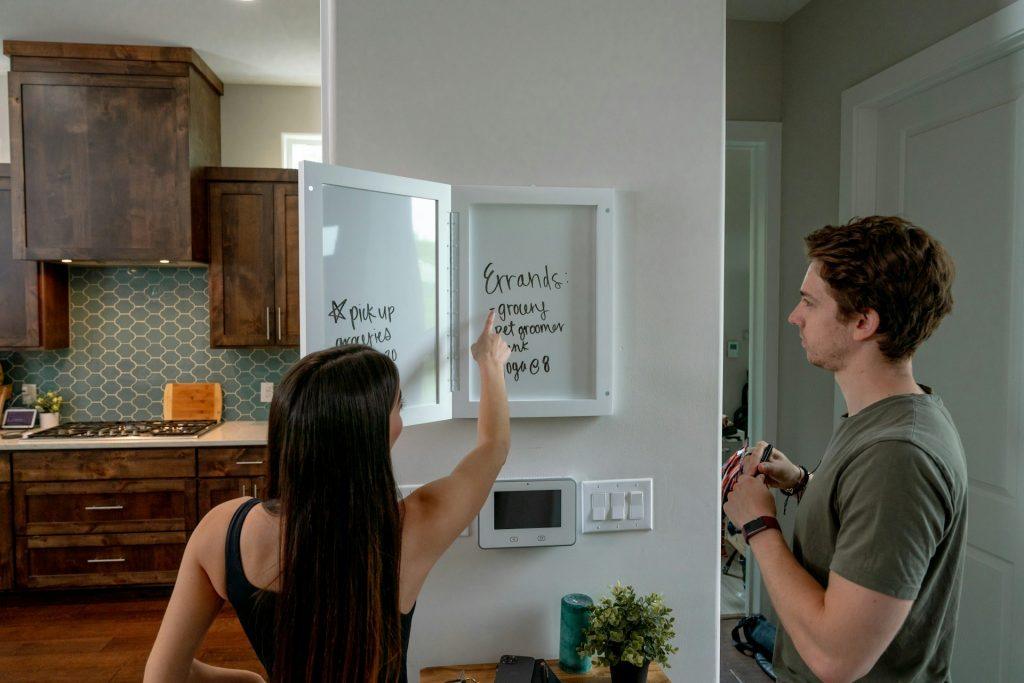
  • Dedicated Whiteboard Section: Dedicate a small magnetic whiteboard or a section of a larger one specifically for your “On-Ramping Goals.”
    • Structure: Title it clearly (e.g., “Project X On-Ramp,” “New Habit Launch,” “Family Chore Integration”).
    • Milestones: List major phases or key milestones using a dry-erase marker.
    • Dates: Add target dates for each milestone.
  • Post-it Note Task Breakdown: For actionable steps within each milestone:
    • Individual Tasks: Write each specific task on a separate Post-it note.
    • Color-Coding: Use different colored Post-its for different categories of tasks (e.g., green for completed, yellow for in-progress, pink for next steps).
    • Movement: As tasks are completed, move the Post-it to a “Done” section on the whiteboard or simply remove it.
  • Magnetic Indicators: Use small, distinct magnets to:
    • Highlight Priority: Place a star magnet next to the most urgent task.
    • Indicate Owner: Assign different shaped magnets to different family members responsible for a task.
    • Track Progress: Move a magnet along a linear goal path drawn on the whiteboard.

Example Content:

  • Whiteboard Header: “Body Renovation Project – Phase 1”
  • Whiteboard Milestones:
    • Week 1: Research & Inspiration
    • Week 2: Budgeting for Renovation
    • Week 3: Final Action Plan

2. Meal Prepping Contents: Mastering Your Inventory

For those who meal prep, knowing exactly what’s in your fridge (and when it needs to be used) is a game-changer for reducing food waste, saving money, and streamlining cooking.

Why the Fridge?
Instead of rummaging through containers, an external inventory provides an instant overview of prepared meals, ingredients needing to be used, and their freshness status, making meal selection and future planning much easier.

How to Implement Using Post-its, Whiteboards & Magnets:

  • Dedicated Whiteboard Section: Reserve a section of your fridge door whiteboard for “Fridge Contents” or “Meal Prep Inventory.”
    • Columns: Draw columns for “Item,” “Quantity,” and “Use By/Prep Date.” Think about creating a spreadsheet to print for the door.
  • Post-it Note Item Tracking: This is where Post-its shine for dynamic inventory management.
    • Each Item, One Note: When you prep a dish or store a specific ingredient (e.g., “Grilled Chicken Breast,” “Chopped Bell Peppers,” “Lentil Soup”), write it on a Post-it.
    • Date Added/Use By: Crucially, add the date it was prepped or the “use by” date.
    • Location: You can even note which shelf it’s on (e.g., “Top Shelf – Left”).
    • Removal: Once an item is consumed or used up, simply peel off and discard the Post-it.
  • Magnetic Categories/Indicators:
    • “Eat First” Magnet: Use a distinctive magnet (e.g., a bright red one) to highlight items that are nearing their “use by” date and need to be prioritized.
    • Section Dividers: If your whiteboard is large, use magnetic strips to divide sections for “Cooked Meals,” “Prepped Veggies,” “Sauces,” etc.
    • Quantity Markers: Small number magnets could indicate the number of servings or portions remaining.

Example Content:

  • Whiteboard Header: “Fridge Inventory – Week of Oct 2”
  • Post-it Notes:
    • “Chicken Stir-fry (2 serv) – Ppd Oct 1” (with a “Eat First!” magnet)
    • “Hard-boiled Eggs (x6) – Ppd Sept 30”
    • “Chopped Carrots – Ppd Oct 1”
    • “Quinoa (3 cups) – Ppd Sept 30”
    • “Broccoli Florets – Fresh”

By consistently utilizing your refrigerator door with these simple yet effective tools, you create a visual management system that supports goal attainment and optimizes your kitchen workflow, turning a common appliance into an indispensable organizational asset.

| Day Four | On-Ramping | Goal | Clean Bookshelf |

How to Clean and Organize Your Bookshelves

| A Guide | time Estimation: 60 Minutes |

Bookshelves are a treasure trove of knowledge, adventure, and inspiration. But over time, they can get cluttered and disorganized, making it hard to find your favorite book. Cleaning and organizing your bookshelf doesn’t have to be daunting—it can be done in just 60 minutes! Here’s how to organize your books, choose the best place to store them and why visiting the local library can be incredibly beneficial to your budget.

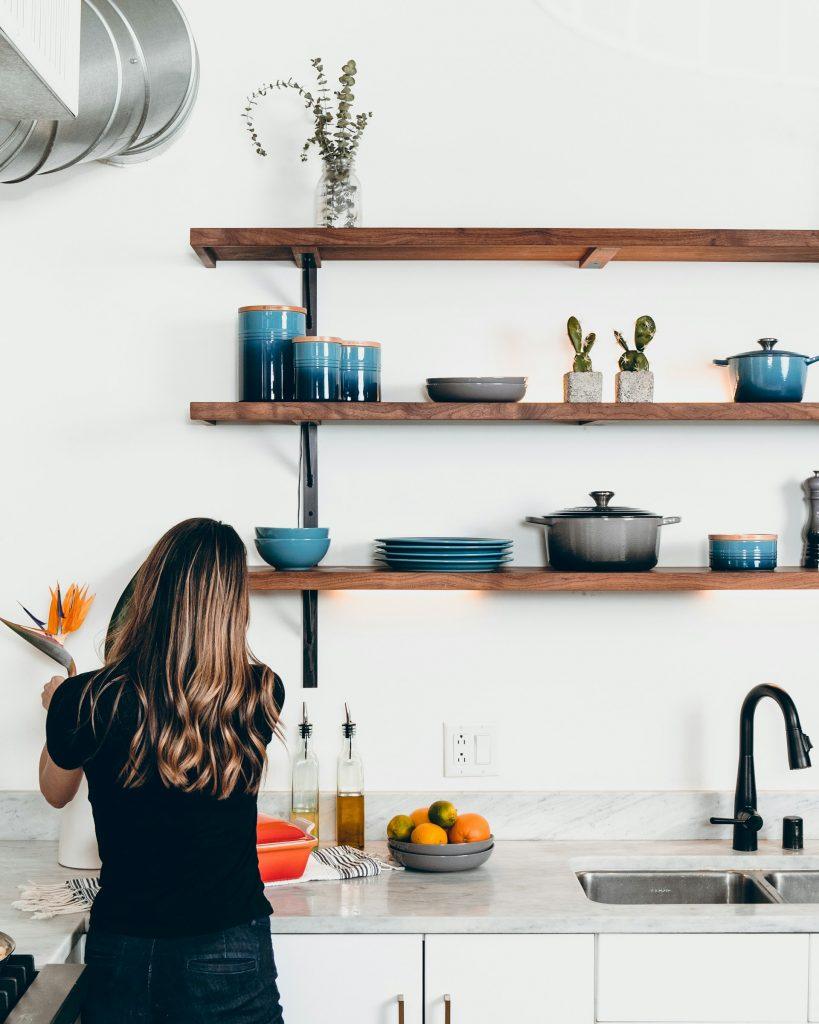
Book shelves used for storing kitchen supplies.

Step 1: Cleaning Your Bookshelf (15 Minutes)

Start by removing all the books from your bookshelf. Use a soft cloth to wipe down the shelves. This keeps your bookshelf looking good.

Step 2: Organizing Books (20 Minutes)

There are several effective ways to organize your books:

  • By Genre or Subject: Group fiction, non-fiction, cookbooks, self-help, and other categories together.
  • Alphabetically: Arrange by author’s last name or book title for easy location.
  • By Color: For a visually pleasing effect. You can use book covers to make them all the same colour.
  • By Size: To maximize shelf space and visual harmony.

Step 3: Choosing the Best Place for Books in Your Home (10 Minutes)

The ideal location for your books should have:

  • Good lighting (natural light or a cozy reading lamp).
  • A comfortable chair nearby for reading.
  • Minimal exposure to direct sunlight to prevent fading of the books.
    Common favorite locations for bookshelves and books include the include living room, bedroom, near the computer and in the closets.

Step 4: How to Pick Books from the Library and Save Money (15 Minutes)

Public Libraries are a fantastic place to discover a wide range of books at no cost. Here’s why checking out books saves you money:

  • Average book costs range from $10 to $30, depending on the genre.
  • Borrowing 10-20 books a year can save you approximately $100 to $600.
  • Libraries also offer access to audiobooks, ebooks, videos, computers and research materials.

Why Books Matter

Books open a doorto new worlds, ideas, and perspectives. They expand the imagination, provide education, and promote intellectual debate. Reading enriches your knowledge base and sharpens your critical thinking skills.

What to Read

The best information to focus on depends on your personal goals. Fiction can inspire creativity; non-fiction can improve skills or knowledge; self-help books can foster personal growth. Diversify your reading to gain a broad range of benefits.

When and Where to Read

  • Best Time to Read: Early mornings or before bed are ideal—quiet moments when you can focus.
  • Best Place to Read: A comfortable chair or nook with good lighting and minimal distractions enhances your reading experience.

Cleaning and organizing your bookshelves for 60 minutes a week can create a welcoming space that invites you to read or look up facts. Utilize your home as a place to store your books on your favourite topics and hobbies. Make the most of your local library to save money while expanding your reading horizons. Happy reading and cleaning of your bookshelves.

Example Health Storey Meal Menu Under 900 Calories

Start your day with a cappuccino and then a healthy breakfast that fuels your body and brain without excess calories:

  • Cappuccino (made with milk and sugar): ~200 calories
  • Arepas toasted in oil. ~270 calories

Total breakfast calories: ~470

For lunch and dinner, focus on whole foods like plant proteins, lots of vegetables, and whole grains. For example:

  • Lunch: Grilled plant based chicken (~300 calories)
  • Dinner: Steamed Rice with Sauteed Mushrooms (~250 calories)

Meal Plans totals around 900 – 1200 calories, keeping you satisfied while supporting weight management and energy balance.

| Health Storey Note | If you burn more NEAT calories, you will be happier at the end of the on-ramping with your weight management.


Disclaimer: The content on this site is for educational purposes only and is not tailored to individual subscribers. Questions or topics may not be submitted unless you are registered as a Health Storey Client. All subscribers have access to the Website FAQ . No question is answered unless the person is a registered Health Storey Client. Dr. Emmy Ann Horstkamp, JD’s research on adipose detoxification is based on self-studies and publicly available research sources. Subscription to the Trefuly websites does not confer Certified Health Story Coach status. Thank you for reading!

| Day Three | Cleaning the Television Area |On-Ramping |

Clearing the Clutter: Refresh Your TV Area for a Digital Detox Health Goal in 2026

Many subscribers are looking for ways to improve their health—mentally, physically, and emotionally, so start today by finishing a health goal! One powerful yet often overlooked strategy for making a healthier environment is a digital detox: consciously reducing screen time to reset our minds, enhance sleep quality, and reconnect with the world around us.

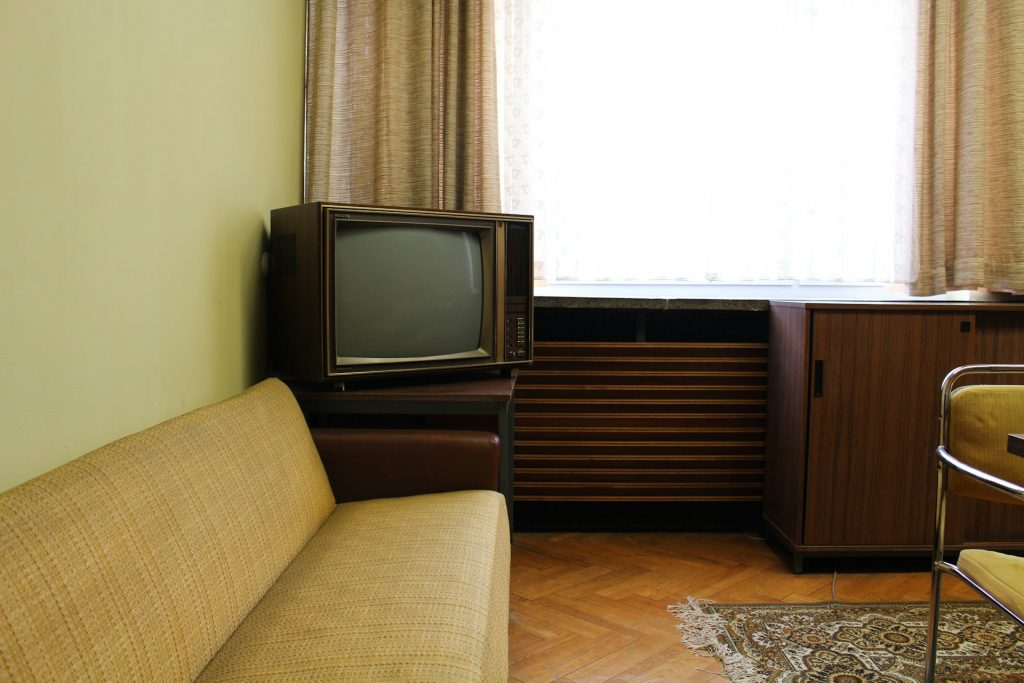
Television area detox during on-ramping

A great place to begin this goal is by cleaning and organizing the TV area. This space often becomes a hub for endless screen time, snacks, and sedentary habits. With a little effort, you can transform your TV room, great room or living room into an inviting space that encourages healthier habits and less passive lounging.

Step 1: Declutter and Deep Clean

Start by removing unnecessary items—old magazines, tangled cables, unused gaming stations and games that tend to accumulate around your TV. Wipe down surfaces, dust off equipment, and vacuum or mop the floor.

Organize cables with clips or ties to reduce visual chaos. Consider styling the area but spend the on-ramping watching what accumulates in the space before decorating.

Step 2: Set Digital Detox Zones and Times

Create rules for your TV area, like no devices during meals or one hour listening to music while cleaning before bed. Having a clean, pleasant space makes it easier to stick to healthy habits.

Step 3: Replace Screen Time with Healthful Activities

Use your refreshed space to indulge in screen-free hobbies: reading, art or craft hobbies, journaling or even a conversation with friends. Support your 2026 healthy lifestyle goal by spending one hour today balancing your digital exposure and television or computer zone.


Healthy Meal Menu Under 900 Calories

Start your day with a nourishing breakfast that fuels your body and brain without excess calories:

  • Cappuccino (made with milk and sugar): ~200 calories
  • Scrambled eggs with sautéed onions:
  • 2 large eggs: ~140 calories
  • 1/4 cup sautéed onions (in a teaspoon of olive oil): ~60 calories

Total breakfast calories: ~300

For lunch and dinner, focus on whole foods like plant proteins, lots of vegetables, and whole grains. For example:

  • Lunch: Grilled plant based chicken with salad and rice (~350 calories)
  • Dinner: Rice with sauteed Bokchoy (~250 calories)

This meal plan totals around 900 – 1200 calories, keeping you satisfied while supporting weight management and energy balance. If you burn more NEAT calories, you will be happier at the end of the on-ramping.


Disclaimer: The content on this site is for educational purposes only and is not tailored to individual subscribers. Questions or topics may not be submitted unless you are registered as a Health Storey Client. All subscribers have access to the Website FAQ . No question is answered unless the person is a registered Health Storey Client. Dr. Emmy Ann Horstkamp, JD’s research on adipose detoxification is based on self-studies and publicly available research sources. Subscription to the Trefuly websites does not confer Certified Health Story Coach status. Thank you for reading!