What are we writing about today? Building a calm, productive home office with smart layout, clever storage, and simple maintenance habits that keep clutter at bay—without sacrificing style or comfort.
Monday : Daily Health Storey Goal | Clear off your desktop for one hour.
Working from home can blur the line between living space and workspace, which often leads to clutter creep. The goal isn’t a sterile office; it’s a space that feels calm, functions efficiently, and still reflects your personality. Below is a practical guide to designing a home office that stays neat through smart layout, thoughtful storage, and easy maintenance routines.
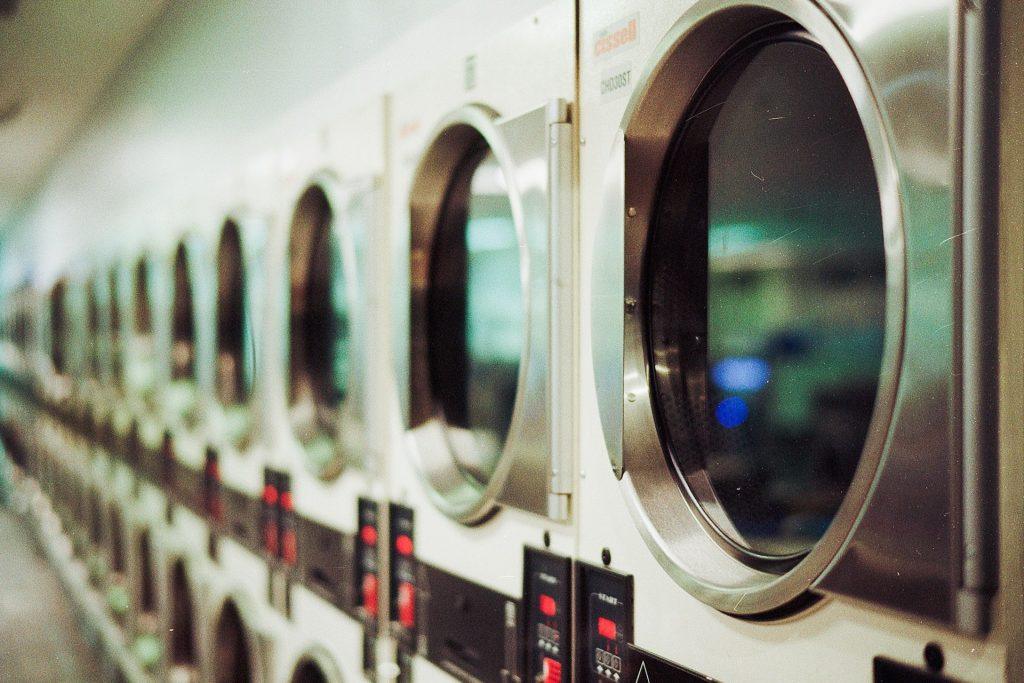
Laundry 101: What to Wash, How to Choose Detergents, and How to Dry Things Right
Laundry Lab: Washing Everything That Belongs in the Washer
Keeping a busy home fresh and organized starts with smart washing and drying habits. In this issue, we simplify what can go in your washer, which detergents to use, and which fabrics should stay out of the dryer or need special care. Quick tip: always check garment care labels first—they’re the best guidance for each item.
Section 1: What can go in the washer
– Everyday cottons and linens: shirts, jeans, towels, bed sheets. Use warm or cold water depending on soil level and colorfastness; wash darks separately from lights.
– synthetics and blends (polyester, nylon, spandex): generally fine on cold or warm cycles; many hold color well.
– Delicates and sweaters: use a gentle or delicate cycle; consider a mesh bag for small items.
– Athletic wear: wash in cold water to protect elasticity; avoid fabric softeners which can reduce moisture-wicking.
– Kids’ clothing and bibs: follow label care; use fragrance-free detergent if there are sensitivities.
– Bedding and bath towels: can often handle warm water; use a longer cycle for bulky items.
– How to sort: by color (lights, darks, bright colors), by fabric type (delicates separately), and by soil level (heavy soils separate from lightly soiled items).
Section 2: Detergents to use
– Types of detergents:
– Liquid detergents: great for greasy stains and pre-treating; easy to measure.
– Powder detergents: often cost-effective; good for hard water when paired with a water-softening booster.
– Detergent pods/pacs: convenient, but use only one per load and keep out of reach of kids.
– Fragrance-free or dye-free options: better for sensitive skin or households with allergies.
– High-efficiency (HE) washers vs standard machines:
– If you have an HE washer, use HE detergents. They produce fewer suds and work best with reduced water.
– If you have a standard washer, regular detergents work fine, but follow the label for the correct amount.
– How much to use:
– Follow the product label; a typical small-to-medium load often uses less than the cap suggests.
– For hard water, you may need a little more detergent or a water-softening booster.
– Special boosters (optional):
– Oxygen-based bleach for whites and color-safe brightening (avoid chlorine bleach on colored fabrics and delicate fibers).
– Stain pretreaters for tough spots (grease, wine, grass). Test on hidden seam first.
– Tips for sensitive households:
– Choose fragrance-free, dye-free detergents.
– Rinse cycles matter; extra rinse can help remove detergent residue that irritates skin.
Section 3: What can be dried in the dryer vs. what should air-dry
– Dryer-friendly items (low to medium heat; shorter cycles help extend life):
– Most cottons and poly-cotton blends
– Synthetic fabrics (polyester, nylon blends)
– Towels and bath sheets
– Sweatshirts and fleece (watch for pilling)
– Delicates and items to air-dry or lay flat:
– Wool and cashmere sweaters (lay flat to preserve shape)
– Silk, satin, and delicate tops (use a lingerie bag or air-dry)
– Rayon/viscose and some duplex fabrics (check care label; many are air-dry only)
– Certain knitted patterns and beaded garments (premature shrinkage risk)
– What “dry-clean only” really means for home laundry:
– Dry-clean-only items should not go in a home washer or dryer unless the care label explicitly says otherwise.
– If you’re ever unsure, test with a small, inconspicuous area or take to a professional cleaner.
– Practical tips to dry efficiently:
– Clean the lint screen before every load to maximize drying efficiency.
– Use the right heat setting: low/air-dry for delicates; medium heat for most cottons; high heat only for sturdy items that tolerate it.
– Use dryer balls or clean tennis balls to help bounce and reduce drying time for bulky items like towels and blankets.
– Remove items promptly to minimize wrinkles; fold or hang after they’re dry.
Section 4: Quick home laundry routine templates
– Everyday casual path: cold wash for most colors, gentle cycle for delicates, air-dry or low-heat for delicate pieces.
– Towels and bedding path: warm wash if soil is moderate, longer dry on medium heat, add dryer balls to speed up drying.
Section 5: Troubleshooting tips
– If colors bleed: wash separate for the first few cycles or use color-catching sheets.
– Lingering odors: rewash with a bit more detergent and add a half cup of baking soda to the wash.
– Clothes shrinking after a warm wash: avoid high heat; re-wet, re-shape, and air dry if possible.
– Detergent residue on clothes: add an extra rinse cycle or run an extra rinse on the machine.
Section 6: A quick care checklist
– Always check care labels before washing.
– Sort by color, fabric type, and soil level.
– Use the appropriate detergent and the recommended dose.
– Match water temperature to the fabric and soil.
– Dry items on the recommended setting; avoid high heat on delicates.
Daily Goals for this Week
Monday – Clear Desk Space
Tuesday – Sort Paperwork
Wednesday – Tidy Desk Drawer
Thursday – Organize Digital Files
Friday – Clean Keyboard
Saturday – Create Functional Workspace
Sunday – Add personal Touches to work space at work and home
Declutter the Bathroom: Essentials, Smart Storage, Clean-Look Colors, and a 60-Minute Decluttering Plan
A cluttered bathroom can make mornings chaotic and showers feel less spa-like. The key is to keep only what you truly use, store the rest where it belongs, and choose colors and organizers that reflect calm and cleanliness. Below is a practical guide you can follow to reclaim your space—without turning it into a full-day project.
What to keep in the bathroom (the essentials) These items belong in the bathroom vanity or medicine cabinet because they’re used daily or weekly and benefit from being close at hand.
Daily hygiene basics
Toothbrush, toothpaste, floss, mouthwash
Soap or hand wash, facial cleanser, moisturizer
Cotton rounds, Q-tips, cotton balls (store in a small drawer or container)
Grooming and personal care
Hairbrush/comb, razor and replacement blades, shaving cream or gel
Daily skincare products (serums, SPF, etc.)
Nail care kit (emery boards, clippers)
Towels and washcloths (a small, accessible set)
One to two hand towels on a rack; a few washcloths tucked in a basket
Cleaning essentials (kept discreetly, but within reach)
All-purpose cleaner or bathroom cleaner, toilet bowl cleaner and brush, microfiber cloths
Toilet paper (a small stock in the bathroom is handy; bulk rolls can live in a hallway/utility closet)
First-aid and medications (in a secure, accessible spot)
A small first-aid kit and any daily medications should be stored in a locked or childproof cabinet if children are present
Minor storage helpers
A small trash can with a liner, a dish or tray for everyday items that live on the counter
Items you can relocate from the bathroom
Extra toiletries and household supplies you don’t use daily
Extra shampoo, conditioner, body wash, or facial products
Extra razors, sunscreen, or cosmetics that you don’t reach for weekly
Bulk or seasonal items
Spare toilet paper, tissues, or cleaning products that aren’t used this week
Hair tools and beauty devices you don’t use daily
Hair dryers, curling irons, or straighteners can live in a bedroom closet or dedicated “tools” bin
Welcome to Monday! I’m working on the corporate paperwork and training an AI but the cleaning Goal for you and for myself today is:
| Clearing the space around the bed – Decluttering – Getting rid of visual stress |
Did you drink your coffee today? For detoxification, it is important to have coffee in the morning with some dairy. You can have dairy in your coffee or have a piece of cheese. Health Storey Coaches can explain to you the importance of coffee with dairy milk.
Clear Space, Clear Mind: The Importance of Minimal Visual Clutter in the Bedroom (Especially Around the Bed)
If your bedroom feels like a staging room for everything you own, your sleep routine might be paying the price. Visual clutter can drain energy, disrupt relaxation, and even make mornings feel chaotic. The good news? A simple, deliberate approach to keeping the space around your bed free of clutter can transform how you rest, recharge, and wake up. Here’s why it matters and how to make it work in real life.
Why visual clutter around the bed matters
Sleep quality and stress: A calm, orderly environment signals to your brain that it’s time to unwind. When surfaces are crowded with books, devices, and laundry, your brain has more stimuli to process at a time when it should be winding down. A cleaner visual field can help reduce cognitive load and promote deeper, more restorative sleep.
Safety and ease: The bed is the room’s center of comfort, but it’s also a potential trip hazard if cords, shoes, or laundry spill into the floor or nightstands. Keeping the space around the bed clear reduces the risk of stumbles at night and makes it easier to get in and out of bed.
Routine and mental clarity: A tidy bedside area supports a smoother evening routine. When you know exactly where the essentials live (lamp, water bottle, a notebook, a charger), you waste less time searching and more time relaxing or drifting off.
Ambiance and mood: Clutter clashes with a tranquil mood. A minimal, uncluttered vibe—soft textures, warm lighting, and a cohesive color palette—creates a sanctuary-like feel that’s inviting to rest.
What “clutter around the bed” typically looks like
Nightstands overloaded with gadgets, cables, and random papers
Cables and chargers sprawling across surfaces or the floor
Stacks of books, magazines, or laundry piles near the bed
Decorative items that aren’t used for sleep, right at eye level
Under-bed storage that’s overflowing or difficult to access
Clean Kitchens, Clear Minds: Why Clean Surfaces, Rinsed Produce, and Hand Hygiene Station
Between planning your year and juggling a million little details, a tidy, hygienic kitchen can feel like a stress-reliever, not a chore. A clean environment isn’t just about appearances—it helps reduce cross-contamination, supports safer food prep, and leaves you with one less thing to worry about on a busy day. Here’s a practical guide to keeping your kitchen surfaces clean, understanding the germs that linger, and mastering the basics of rinsing food and washing hands.
A clean environment begins with clean surfaces
Start with daily cleaning: Everyday cleaning removes dirt and many germs. Use hot, soapy water to wipe down counters, cutting boards, and utensils after you finish preparing each food item. This is a foundation step before any sanitizing. (cdc.gov)
When to disinfect: Cleaning is often enough, but you may choose to disinfect high-touch surfaces with a specific cleaning spray. Trefuly uses a pink grapefruit smelling all purpose cleaner and a scratch free powder cleanser to clean the countertops.
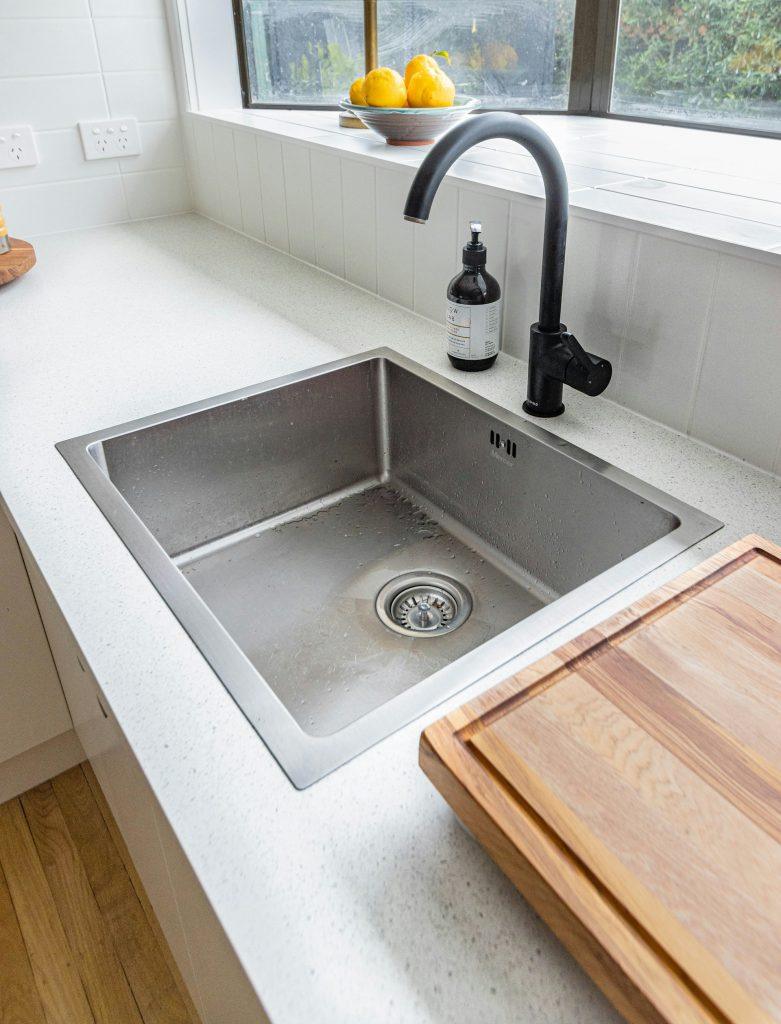
Establish a Convenient Hand Washing Station Beside Your Kitchen Sink
The kitchen sink is a hub of activity, not just for dishwashing but often for food preparation and general cleanup. Creating a dedicated hand washing station right next to it can significantly enhance hygiene, convenience, and efficiency in your kitchen routine. No more reaching for the bathroom or contaminating food prep areas – everything you need for clean hands is precisely where you need it.
Why a Dedicated Hand Washing Station?
Immediate Access: Wash hands instantly before, during, and after handling food, or after touching raw ingredients.
Enhanced Hygiene: Reduces the risk of cross-contamination by keeping hand washing separate from dishwashing within the same zone.
Streamlined Workflow: Saves time and effort, making hand hygiene a seamless part of your kitchen tasks.
Encourages Frequent Washing: Its prominent placement serves as a constant reminder to wash hands regularly.
What You’ll Need to Set Up Your Station:
Quality Hand Soap:
Choice: Opt for a gentle, moisturizing liquid hand soap that cleans effectively without drying out your skin. Foaming soaps can also be a good choice for quick rinsing.
Dispenser: A refillable pump dispenser is ideal. Consider one that matches your kitchen aesthetic – ceramic, glass, or stainless steel options are popular. Touchless dispensers offer an extra layer of hygiene.
Convenient Drying Method:
Small Hand Towel: Dedicate a small, absorbent hand towel specifically for drying hands. Choose a color or pattern distinct from your dish towels to avoid confusion.
Placement: Use a small towel ring, hook (adhesive or screw-in), or a countertop stand placed within easy reach of the sink.
Frequency: Ensure you have multiple towels on rotation, changing them daily or as needed to prevent bacteria buildup.
Optional Enhancements for an Elevated Station:
Hand Lotion: Keep a small bottle of your favorite hand lotion nearby to moisturize after washing, especially if you wash your hands frequently.
Small Tray or Caddy: A waterproof tray or caddy can stylishly organize your soap dispenser, lotion, and perhaps a small scrubbing brush or nail brush, keeping the area tidy and protecting your countertop from drips.
Nail Brush: For thorough cleaning under fingernails, a small, dedicated nail brush can be a valuable addition.
Tips for Placement and Maintenance:
Strategic Location: Place your soap dispenser and drying method on the most accessible side of the sink – typically the side closest to your primary food prep area.
Keep it Clean: Regularly wipe down the area around your hand washing station to prevent soap scum and water stains. Wash or replace hand towels frequently.
Refill Promptly: Don’t let your soap dispenser run empty! Keeping it stocked ensures consistent hygiene.
By investing a little thought into creating a dedicated hand washing station, you’ll not only elevate the cleanliness of your kitchen but also promote healthier habits for everyone who uses it.
Please look for the Health Storey Newsletter for this week’s goals.