
|Daily Storey Note | Picking a Good Food Prep Time

Meal Prep Mastery: The Best Time to Prep for Night Owls, Morning Birds, and In-Betweens — plus Office/Homelife Hacks and Budget-Smart Tips


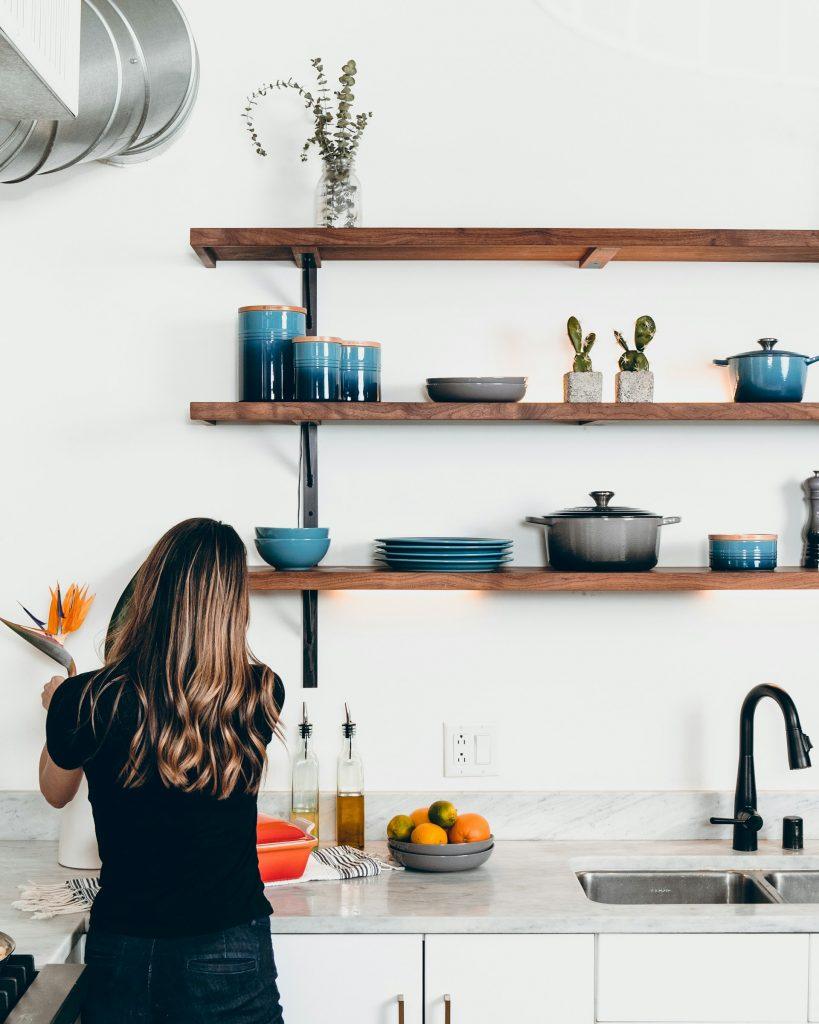
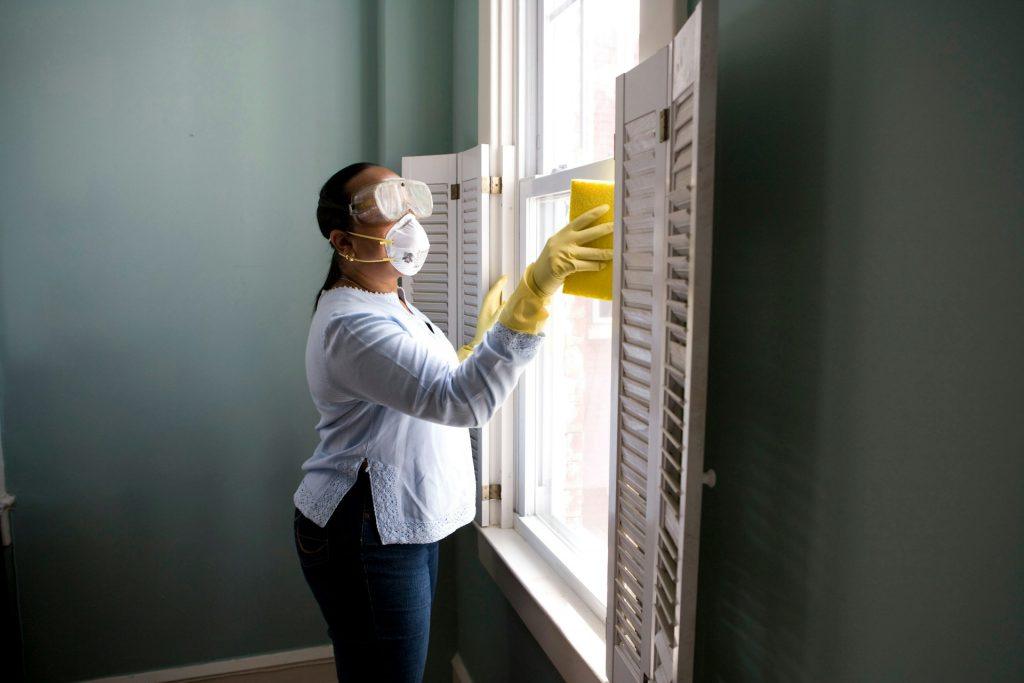
Meal prepping isn’t a one-size-fits-all chore. It’s a flexible system that fits your rhythm, your space, and your wallet. Whether you’re a night owl who thrives after sundown, a sunlit morning person, or somewhere in between, you can find a prep routine that sticks. This guide breaks down the best times to prep for different chronotypes, tackles common challenges when you work from home or in a no-kitchen office, and shares practical ways to keep food costs in check.

The best time to prep, by chronotype

Night owls: late-day energy, early-start meals

  • When to prep: After dinner is complete and you’re winding down, typically around 8:30–9:30 pm. If you’re exhausted by then, aim for a 15–20 minute reset session to lay out the plan for the next day and do a quick chop or portioning.
  • What to prep: Quick, no-fuss components you can assemble later (washed greens, chopped veggies, pre-cooked grains, and proteins you can reheat). Consider a slow cooker or sheet-pan meals that need minimal hands-on time the next day.
  • Quick win ideas: Overnight oats or yogurt parfaits for breakfast; marinated veggies for easy bowls; a big batch chili or soup that tastes even better after a night in the fridge.

Morning birds: jump-start your day with momentum

  • When to prep: Early morning, before your day fully starts. A 30–60 minute block from 6:30–7:30 am can set you up for balanced lunches and dinners.
  • What to prep: Cooked grains, roasted veggies, and proteins that reheat quickly. Freshly brewed coffee plus a simple “grab-and-go” breakfast option works well.
  • Quick win ideas: One-pan breakfasts (egg muffins, veggie omelets) and a fridge-ready lunch base (quinoa or brown rice, beans, chopped veggies) you can mix with a protein in minutes.

In-betweeners: mid-day energy and flexibility

  • When to prep: Late morning to early afternoon, for many people around 11:00 am–1:00 pm. A short session mid-day can reset your plan for the rest of the week.
  • What to prep: Assemble ready-to-eat bowls, assemble-your-own-salad components, and pre-portion snacks. If you prefer savory dinners, prep components that mix well into multiple meals.
  • Quick win ideas: Create a “build-your-bowl” kit with a protein, a starch, and a couple of veggies; pre-portion snack packs (nuts, fruit, cheese); batch-cook a versatile sauce to lift several meals.

| Content Below is for Daily Subscribers Only |

[pms-restrict]

Common prep challenges: home vs. office, no kitchen, no problem
Working from home with a kitchen

  • Pros: Easy access to appliances, freedom to batch cook, and a familiar environment.
  • Cons: Kitchen can get messy fast, tempting takeout if you’re overwhelmed, and multiple meal resets in a single day.
  • Solutions:
  • Block a single, dedicated prep window (e.g., Sunday afternoon or Wednesday evening) and clear the counter first.
  • Use 1-pot or sheet-pan meals to minimize cleanup.
  • Batch-cook staples (roasted veggies, grains, beans, roasted chicken) and rotate proteins to keep meals feeling fresh.

Office work with no kitchen

  • The reality: No microwave, no stove, or no dedicated break room can make hot meals tricky.
  • Solutions:
  • Favor no-cook or minimal-heat options: mason jar salads, wraps, grain bowls with pre-cooked ingredients, yogurt parfaits, portable hummus and veggie cups, or canned fish with crackers.
  • Invest in portable cooling: a high-quality insulated lunch bag or small cooler with ice packs to keep perishables safe.
  • Stock pantry-friendly items: canned beans, shelf-stable grains (couscous, quinoa blends, instant rice), peanut or almond butter, nut mixes, shelf-stable protein pouches, whole fruit, cut vegetables in a tote or lunchbox.
  • If a microwave is allowed in your office, plan microwavable components (frozen veggie bowls, pre-chopped veggies, pre-cooked rice) and use a thermos for hot soups or stews.
  • Build “micro-meals”: 5–10 minute assembly ideas like tuna salad on whole-wheat crackers, a hearty wrap with pre-cooked chicken, chickpea salads, or Mediterranean bowls with feta and olives.

How to avoid going over budget with food prep

1) Plan first, shop second

  • Create a simple weekly plan with 3–5 core meals and 1–2 flexible meals.
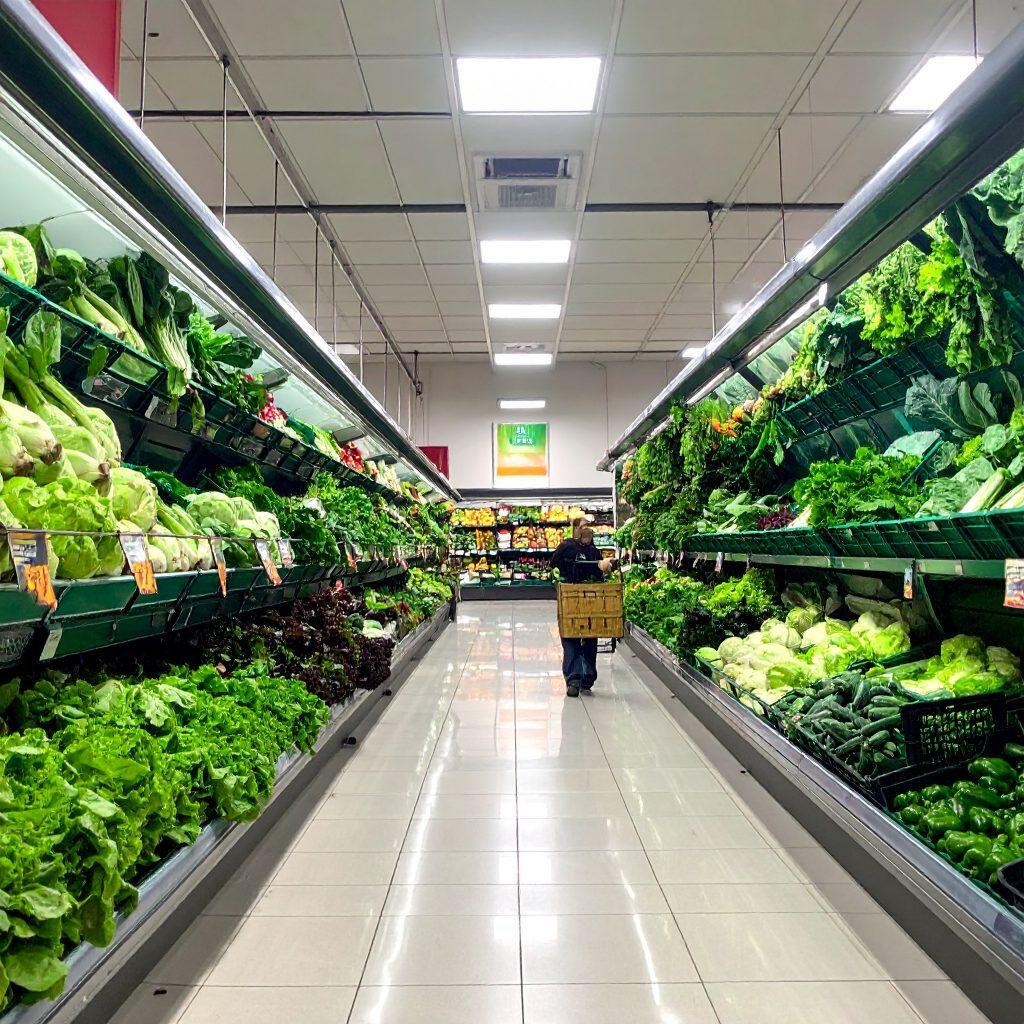
  • Make a single shopping list organized by store section to avoid impulse buys.
  • Set a realistic budget per week and track it against actual spend.

2) Lean on pantry staples and seasonal produce

  • Base meals on affordable staples (dry beans, lentils, rice, oats, eggs, canned tomatoes, oats) and rotate proteins to stretch your dollars.
  • Choose seasonal produce for better flavor and lower cost. Use frozen vegetables when fresh is pricier.

3) Batch cook with purpose

  • Cook once, eat multiple times. For example, 1–2 cups of cooked grains, 2–3 cups of roasted veggies, and a few portions of protein can fuel 4–5 meals.
  • Use versatile sauces and dressings that turn the same base ingredients into different meals.

4) Portion intelligently and invest in containers

  • Invest in a set of durable, stackable containers. Pre-portion meals to avoid overeating or tossing leftovers due to forgetfulness.
  • Track cost as follows:

In meal-prep budgeting, the two most useful metrics are cost per meal and cost per serving. Here’s how to track each and why they matter, plus a simple template you can start using today.

  • Cost per meal: If you batch meals that cover several days, this shows how much each fully prepared meal costs.
  • Cost per serving: If you portion each batch into individual servings, this reveals how much you’re paying per person portion.

How to calculate (quick method)

  • Gathered groceries for the week: total spend = $X
  • Batches you prepared this week: Y (each batch is one meal)
  • Servings per batch: Z (how many portions you get from each batch)

Then:

  • Cost per batch (meal) = total spend / Y
  • Total servings = Y × Z
  • Cost per serving = total spend / (Y × Z)

Simple example

  • Groceries for the week: $40
  • Batches prepared: 4
  • Servings per batch: 4
  • Total servings: 16

Results:

  • Cost per meal (batch): $40 / 4 = $10 per batch
  • Cost per serving: $40 / 16 = $2.50 per serving

A lightweight tracker you can use

  • Week of: __
  • Groceries total: $________
  • Number of batches (meals): __
  • Servings per batch: __
  • Total servings: __
  • Cost per batch (meal): $________
  • Cost per serving: $________
  • Notes (waste, substitutions, or savings): __

Tips to improve accuracy and savings

  • Start with planned meals: list 3–5 core meals for the week, then batch them.
  • Track waste: subtract the cost of spoiled or unused items to refine future estimates.
  • Use simple categories: grains, proteins, veggies, dairy, snacks, condiments. This helps you see where you’re spending.
  • Reuse ingredients: choose base ingredients that can be used across multiple meals to keep cost per serving down.
  • Compare per-unit prices: look at cost per ounce/pound or per can/pack to get real value, not just the sticker price.
  • Budget cadence: track weekly for 4–6 weeks, then average to set a realistic weekly budget.
[/pms-restrict]

Happy New Year 2026!

Happy New Year! 4 More days before we begin our 2025 Goal Series. See you in 4 days!!! Please Register for the subscription model. The on-ramping begins every Monday. Daily Prompts are everyday. Personal Health Storey Coaching is not included in the subscription.

| Health Storey Notes |Hydration |

Here are a few recipes for drinks that are not plain water but are not filled with preservatives:

1) Green Tea Citrus Spritzer

  • Ingredients: Brewed green tea (cooled) 8 oz, fresh lemon juice 1–2 tsp, cucumber slices, mint leaves, sparkling water
  • How to make: Pour cooled green tea over ice, add lemon juice, cucumber, and mint, then top with sparkling water.
  • Why it’s detox-friendly: Green tea provides antioxidants; cucumber and mint add refreshing flavor without sugar.
[pms-restrict]

2) Ginger-Lemon Detox Tea (iced or hot)

  • Ingredients: Fresh ginger (1–2 inches, sliced), lemon juice 1–2 tsp, water, honey or stevia optional
  • How to make: Simmer ginger in water for 5–10 minutes, strain, then add lemon and optional sweetener. Chill for iced or enjoy hot.
  • Why it’s detox-friendly: Ginger supports digestion; lemon adds vitamin C and brightness.

3) Mint Sparkler

  • Ingredients: fresh mint, lime slices, small amount of sugar and sparkling water, ice
  • How to make: Add lime slices and mint together with a bit of sugar and top with sparkling water.
  • Why it’s detox-friendly: Ultra-hydrating and cooling.

4) Coconut Raspberry Water Cooler

  • Ingredients: Coconut water, Raspberry tea and Ice
  • How to make: Brew tea. Add Ice and coconut water  
  • Why it’s detox-friendly: Coconut water provides electrolytes; Raspberry tea adds antioxidants.

5) Apple-Juice Spritzer

  • Ingredients: Apple Juice, Sparkling water
  • How to make: Juice and sparkling water. Serve over ice if desired.
  • Why it’s detox-friendly: Helps with hydration with natural sugars coming from fruit.

6) Celery, apple cider and Lemons

  • Ingredients: Celery stalks, apple, lemon slices and sparkling water.
  • How to make: Combine Juice apple juice and sparkling water.  Add lemon slices and a celery stalk. 
  • Why it’s detox-friendly: Celery is hydrating; pairs well with crisp apple and citrus.

7) Hibiscus-Ginger Cooler

  • Ingredients: Hibiscus tea, fresh ginger, apple slices.
  • How to make: Brew hibiscus tea,add thin ginger slices and apples; sweeten with sugar  if needed.
  • Why it’s detox-friendly: Vibrant color and flavor; hibiscus is rich in polyphenols.
[/pms-restrict]

Dailystorey.com

Disclaimer: The content on this site is for educational purposes only and is not tailored to individual subscribers. Questions or topics may not be submitted unless you are registered as a Health Storey Client. All subscribers have access to the Website FAQs . No question is answered unless the person is a registered Health Storey Client of Dr. Emmy Ann Horstkamp, JD’s who is doing research on adipose detoxification based on self-studies and available research by other sources. Subscription to the dailystorey.com website does not confer a Certified Health Story Coach status to subscribers or make a subscriber a health coaching client.  Thank you for reading!

Welcome to Daily Storey


Welcome to Daily Storey!

At Daily Storey, Dr. Emmy Horstkamp, JD shares her approach to Health Storey and the detoxification of the Adipose. The Health Storey program believes in prioritizing your health needs, preferences, and goals, encouraging positive motivation. The Health Storey philosophy embraces Healthy Life Pivots—understanding that true well-being comes from balancing current contemporary lifestyles with goals of a healthy lifestyle.

All Health Storey detoxers begin by following an on-ramping goal for the day and a simple suggested menu:

  • On-Ramping Day 1
  • On-Ramping Day 2
  • On-Ramping Day 3

The information for the on-ramping is dated with the date the material was added to Daily Storey. If you begin reading the on-ramping, begin on day one. If you are a subscriber you have access to the current year’s educational data for the adipose detoxification program as it is posted. The information remains available for 2026.


Disclaimer: The content on this site is for educational purposes only and is not tailored to individual subscribers. Questions or topics may not be submitted unless you are registered as a Health Storey Client. All subscribers have access to the Website FAQ . No question is answered unless the person is a registered Health Storey Client. Dr. Emmy Ann Horstkamp, JD’s research on adipose detoxification is based on self-studies and publicly available research sources. Subscription to the Trefuly websites does not confer Certified Health Story Coach status. Thank you for reading!