
Day Seven | On-Ramping | Clean Kitchen Countertops | Create a Hand Washing Station

Clean Kitchens, Clear Minds: Why Clean Surfaces, Rinsed Produce, and Hand Hygiene Station

Between planning your year and juggling a million little details, a tidy, hygienic kitchen can feel like a stress-reliever, not a chore. A clean environment isn’t just about appearances—it helps reduce cross-contamination, supports safer food prep, and leaves you with one less thing to worry about on a busy day. Here’s a practical guide to keeping your kitchen surfaces clean, understanding the germs that linger, and mastering the basics of rinsing food and washing hands.
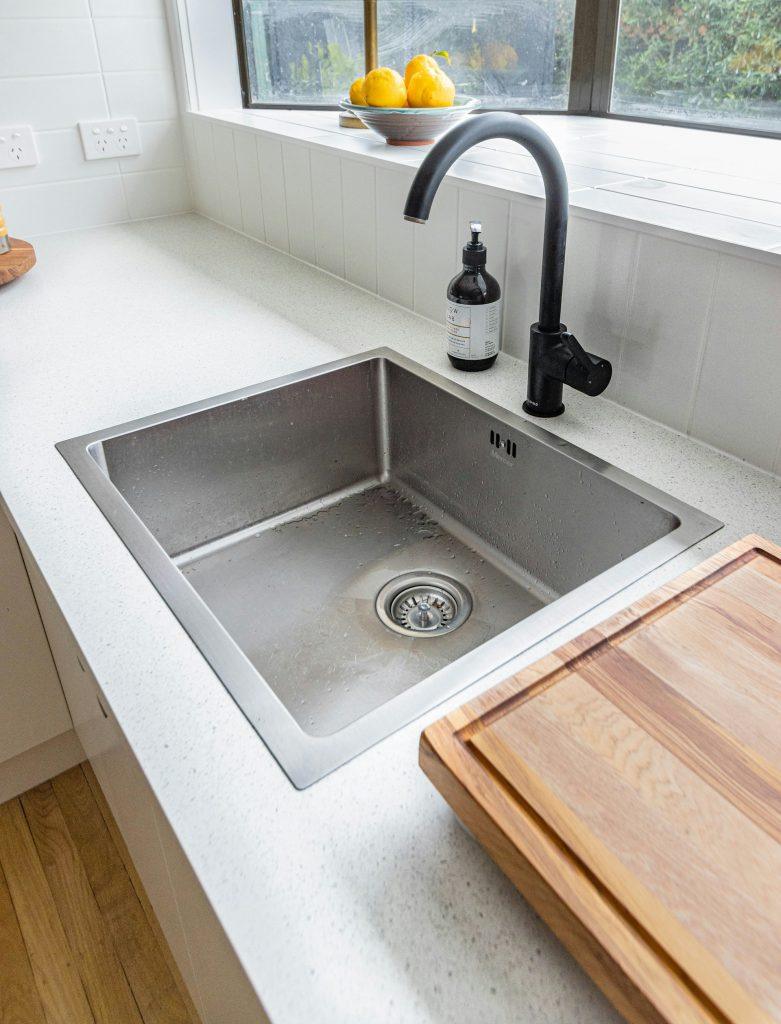
A clean environment begins with clean surfaces

  • Start with daily cleaning: Everyday cleaning removes dirt and many germs. Use hot, soapy water to wipe down counters, cutting boards, and utensils after you finish preparing each food item. This is a foundation step before any sanitizing. (cdc.gov)
  • When to disinfect: Cleaning is often enough, but you may choose to disinfect high-touch surfaces with a specific cleaning spray. Trefuly uses a pink grapefruit smelling all purpose cleaner and a scratch free powder cleanser to clean the countertops.

Establish a Convenient Hand Washing Station Beside Your Kitchen Sink

The kitchen sink is a hub of activity, not just for dishwashing but often for food preparation and general cleanup. Creating a dedicated hand washing station right next to it can significantly enhance hygiene, convenience, and efficiency in your kitchen routine. No more reaching for the bathroom or contaminating food prep areas – everything you need for clean hands is precisely where you need it.

Why a Dedicated Hand Washing Station?

  • Immediate Access: Wash hands instantly before, during, and after handling food, or after touching raw ingredients.
  • Enhanced Hygiene: Reduces the risk of cross-contamination by keeping hand washing separate from dishwashing within the same zone.
  • Streamlined Workflow: Saves time and effort, making hand hygiene a seamless part of your kitchen tasks.
  • Encourages Frequent Washing: Its prominent placement serves as a constant reminder to wash hands regularly.

What You’ll Need to Set Up Your Station:

  1. Quality Hand Soap:
    • Choice: Opt for a gentle, moisturizing liquid hand soap that cleans effectively without drying out your skin. Foaming soaps can also be a good choice for quick rinsing.
    • Dispenser: A refillable pump dispenser is ideal. Consider one that matches your kitchen aesthetic – ceramic, glass, or stainless steel options are popular. Touchless dispensers offer an extra layer of hygiene.
  2. Convenient Drying Method:
    • Small Hand Towel: Dedicate a small, absorbent hand towel specifically for drying hands. Choose a color or pattern distinct from your dish towels to avoid confusion.
    • Placement: Use a small towel ring, hook (adhesive or screw-in), or a countertop stand placed within easy reach of the sink.
    • Frequency: Ensure you have multiple towels on rotation, changing them daily or as needed to prevent bacteria buildup.
  3. Optional Enhancements for an Elevated Station:
    • Hand Lotion: Keep a small bottle of your favorite hand lotion nearby to moisturize after washing, especially if you wash your hands frequently.
    • Small Tray or Caddy: A waterproof tray or caddy can stylishly organize your soap dispenser, lotion, and perhaps a small scrubbing brush or nail brush, keeping the area tidy and protecting your countertop from drips.
    • Nail Brush: For thorough cleaning under fingernails, a small, dedicated nail brush can be a valuable addition.

Tips for Placement and Maintenance:

  • Strategic Location: Place your soap dispenser and drying method on the most accessible side of the sink – typically the side closest to your primary food prep area.
  • Keep it Clean: Regularly wipe down the area around your hand washing station to prevent soap scum and water stains. Wash or replace hand towels frequently.
  • Refill Promptly: Don’t let your soap dispenser run empty! Keeping it stocked ensures consistent hygiene.

By investing a little thought into creating a dedicated hand washing station, you’ll not only elevate the cleanliness of your kitchen but also promote healthier habits for everyone who uses it.

Please look for the Health Storey Newsletter for this week’s goals.

| Day 5 | On-Ramping | Red Light Foods

Detox Your Kitchen: Removing Everything That Causes You to Overeat Calories

When it comes to managing weight and creating healthier eating habits, the environment you live in plays a crucial role—especially your kitchen. If your kitchen is filled with tempting snacks and calorie-dense foods, resisting overeating can become a battle. One effective way to regain control is to detox your kitchen by categorizing and removing foods based on their ability to trigger overeating.

[pms-restrict]

Understanding the Traffic Light Diet for Detoxing

Originally developed in the late 1970s and early 1980s by Dr. Leonard H. Epstein and his colleagues, the “Traffic Light Diet” was designed as a simple dietary tool for family-based childhood weight research. This system uses three colors—red, yellow, and green—not to describe the colors of foods themselves, but as a guide to regulate eating behaviors. For detoxing and controlling overeating, we can adapt this system to classify foods based on how they impact your tendency to overconsume.

  • Red Foods: These are the biggest triggers for overeating and should be removed from your kitchen. Red foods often include highly processed, sugary, or high-fat items that prompt cravings and make it hard to stop eating once you start. This category may also include comfort foods that are high in calorie.
  • Yellow Foods: Yellow foods aren’t outright harmful but may still pose some risk of overeating or may not be the healthiest choice. These should be kept in limited quantities in your kitchen.
  • Green Foods: These are the safe, healthy options that won’t trigger overeating and are good to have readily available. Green foods should become staples in your kitchen detox.

Red Foods to Remove from Your Kitchen

Red foods tend to have characteristics that make them highly palatable and easy to overeat. Examples include:

  • Candy, chocolates, and sweets
  • Sugary cereals and pastries
  • Chips, crackers, and other salty snacks
  • Soda, sweetened beverages, and energy drinks
  • Ice cream, baked desserts, and processed foods high in sugar and fat

Removing these foods can dramatically reduce temptations and mindless snacking, helping to break the cycle of overeating.

Yellow Foods to Manage Carefully

Yellow foods aren’t forbidden, but they demand caution:

  • Whole grain baked goods and cereals with moderate sugar
  • Natural nut butters (watch portion sizes)
  • Cheese and yogurt with some added sugar or fat
  • Dried fruits (high in natural sugar, consume in moderation)
  • Homemade treats with controlled ingredients. ( Avoid baking during on-ramping.)

Keep yellow foods in moderation and ensure portion control. These foods can be part of a healthy diet but should not be consumed excessively.

Green Foods to Fill Your Kitchen With

Green foods promote fullness and nourish your body without triggering overeating:

  • Fresh vegetables and greens
  • Fresh fruits
  • Lean proteins such as chicken breast, fish, beans, mushrooms and legumes
  • Grains like different types of rice, wheat and corn.
  • Proteins such as nuts and seeds in controlled amounts.
  • Tap or spring water, teas, milk and unsweetened beverages

By focusing on green foods, you create meals that provide appetite control, body health support. By eating nutrient-dense food, Health Storey detoxers provide building blocks for the body to improve it’s health baseline.

How to Start Your Kitchen Detox Today

  1. Inventory Your Kitchen: Take a close look at everything in your pantry, fridge, and freezer.

The time it takes to inventory and label a kitchen can vary depending on the size of the kitchen, the number of food items, and how organized the space is initially. Here’s a general time estimation:

Small Kitchen (1-2 pantry/cabinet areas, fridge, freezer): 30 to 45 minutes

Medium Kitchen (3-4 pantry/cabinet areas, fridge, freezer): 45 to 75 minutes

Large Kitchen (multiple pantry/cabinet areas, large fridge & freezer): 1.5 to 2 hours

This time estimate includes:

Taking everything out for a clear view and sorting

Classifying foods into red, yellow, and green categories

Labeling items and deciding what to keep, limit, or remove

Organizing the remaining foods back into the kitchen


For a smoother process, it helps to have labeling materials ready (stickers, markers, or pre-printed labels) and to allocate some uninterrupted time to focus on the task.

Classify your Foods with labels and calorie count: Use the red, yellow, and green system based on their ability to trigger overeating.

Eliminate Red Foods: Throw away, or give away red foods you don’t need. Do not keep them in your house.

Control Yellow Foods: Limit portions and buying frequency. Make sure the calories per serving is clearly labeled for when you are making decisions on what to eat during detoxing.

Stock Up on Green Foods: Shop for fresh, whole, and nutrient-rich options knowing the calories of each food you purchase.

Create New Habits: Plan meals around the green food category to stay on track.

Detoxing your kitchen by removing overeating triggers is a powerful step toward a better and healthier lifestyle. Using the adapted traffic light system helps simplify choices and reduce decision fatigue while promoting mindful eating habits. Remember, the goal is not perfection but creating an environment that supports your well-being and helps you enjoy food without guilt or excess.

Start your kitchen detox today and take control over your cravings—your body and mind will thank you!


Disclaimer: The content on this site is for educational purposes only and is not tailored to individual subscribers. Questions or topics may not be submitted unless you are registered as a Health Storey Client. All subscribers have access to the Website FAQ . No question is answered unless the person is a registered Health Storey Client. Dr. Emmy Ann Horstkamp, JD’s research on adipose detoxification is based on self-studies and publicly available research sources. Subscription to the Trefuly websites does not confer Certified Health Story Coach status. Thank you for reading!

[/pms-restrict]

| Day Three | Cleaning the Television Area |On-Ramping |

Clearing the Clutter: Refresh Your TV Area for a Digital Detox Health Goal in 2026

Many subscribers are looking for ways to improve their health—mentally, physically, and emotionally, so start today by finishing a health goal! One powerful yet often overlooked strategy for making a healthier environment is a digital detox: consciously reducing screen time to reset our minds, enhance sleep quality, and reconnect with the world around us.

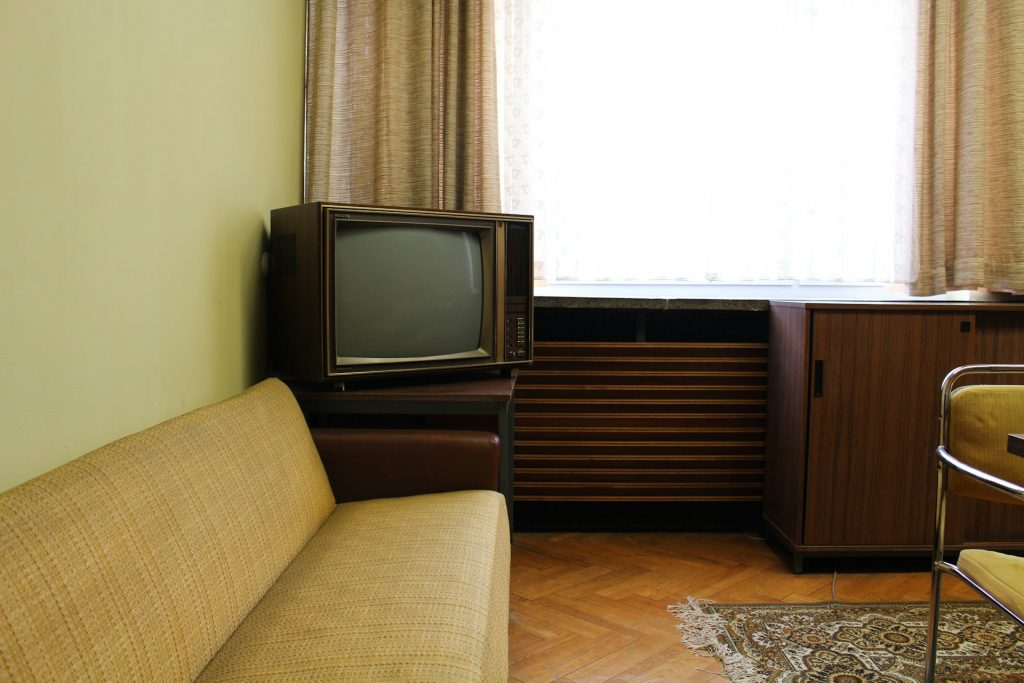
Television area detox during on-ramping

A great place to begin this goal is by cleaning and organizing the TV area. This space often becomes a hub for endless screen time, snacks, and sedentary habits. With a little effort, you can transform your TV room, great room or living room into an inviting space that encourages healthier habits and less passive lounging.

Step 1: Declutter and Deep Clean

Start by removing unnecessary items—old magazines, tangled cables, unused gaming stations and games that tend to accumulate around your TV. Wipe down surfaces, dust off equipment, and vacuum or mop the floor.

Organize cables with clips or ties to reduce visual chaos. Consider styling the area but spend the on-ramping watching what accumulates in the space before decorating.

Step 2: Set Digital Detox Zones and Times

Create rules for your TV area, like no devices during meals or one hour listening to music while cleaning before bed. Having a clean, pleasant space makes it easier to stick to healthy habits.

Step 3: Replace Screen Time with Healthful Activities

Use your refreshed space to indulge in screen-free hobbies: reading, art or craft hobbies, journaling or even a conversation with friends. Support your 2026 healthy lifestyle goal by spending one hour today balancing your digital exposure and television or computer zone.


Healthy Meal Menu Under 900 Calories

Start your day with a nourishing breakfast that fuels your body and brain without excess calories:

  • Cappuccino (made with milk and sugar): ~200 calories
  • Scrambled eggs with sautéed onions:
  • 2 large eggs: ~140 calories
  • 1/4 cup sautéed onions (in a teaspoon of olive oil): ~60 calories

Total breakfast calories: ~300

For lunch and dinner, focus on whole foods like plant proteins, lots of vegetables, and whole grains. For example:

  • Lunch: Grilled plant based chicken with salad and rice (~350 calories)
  • Dinner: Rice with sauteed Bokchoy (~250 calories)

This meal plan totals around 900 – 1200 calories, keeping you satisfied while supporting weight management and energy balance. If you burn more NEAT calories, you will be happier at the end of the on-ramping.


Disclaimer: The content on this site is for educational purposes only and is not tailored to individual subscribers. Questions or topics may not be submitted unless you are registered as a Health Storey Client. All subscribers have access to the Website FAQ . No question is answered unless the person is a registered Health Storey Client. Dr. Emmy Ann Horstkamp, JD’s research on adipose detoxification is based on self-studies and publicly available research sources. Subscription to the Trefuly websites does not confer Certified Health Story Coach status. Thank you for reading!

| Day One | Cleaning | Health Storey On-Ramping |2026|

Here’s is Health Storey’s structured 30-day daily goal plan for cleaning and clearing while on-ramping into healthy eating. Each day has a daily goal with suggested time frames for each task. You can start on any day but Health Storey suggests you start on a Monday.

30-Day Clearing Schedule with Daily Goals and Time Frames

Take a peek if you don’t get stressed out. If you get stressed out, just wait for the post each day and follow the daily prompt.

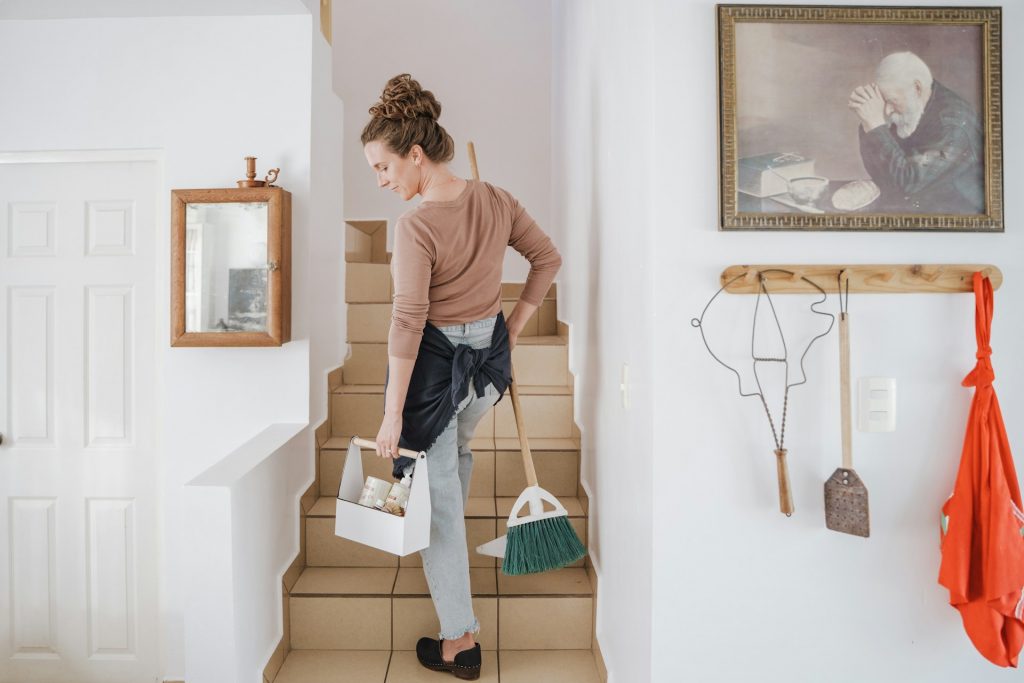
For Today, Focus on Your Front Door cleaning away cobwebs, clearing the glass , spraying down the front door and removing any debris from in front of the door. By clearing the front entrance you are burning NEAT calories which is part of living a healthy lifestyle. To accomplish this goal, the minimal equipment you will need are paper towels, windex, a broom, a dustpan and a plastic bag. Schedule 30 minutes to finish this activity.


NEAT Exercise (Non-Exercise Activity Thermogenesis):
NEAT refers to the energy expended for everything we do that is not sleeping, eating, or planned sports. NEAT activites include walking around the house, typing, gardening, cleaning, cooking, and standing. NEAT plays a significant role in daily calorie burn and overall energy expenditure, contributing to weight management and metabolic health.


Day One Goal: Spend a few minutes on day one cleaning the front door and entrance to your residence.

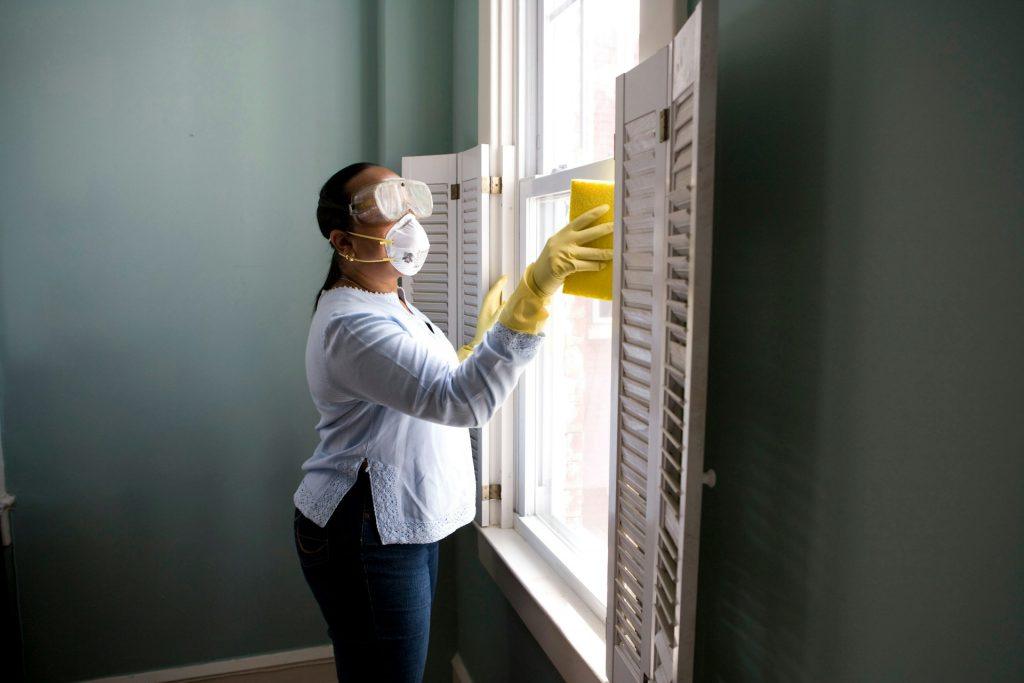
Clean your windows to keep out English squatters.

Starting Your Detox: Choose Your Path

As you begin your detox journey, it’s important to honor your personal readiness and preferences. Some people prefer to take the leap and start detoxing cold turkey—making an immediate and complete commitment to cleansing their body and environment from day one. This approach can provide an immediate reset and a more drastic result.

Others feel more comfortable taking their time. By gradually emptying their kitchen of their food inventory and restocking with healthy foods, the detoxer can begin a healthy lifestyle removing toxins in a less stressful way. This type of transition allows the detoxer to adjust to the pivot at a slower pace, remove old habit cues with healthier ones and build a sustainable and healthy lifestyle.

On Day One, the choice is yours:

  • Take the Leap: Dive in headfirst and begin your detox fully committed—removing processed foods, sugars, and harmful additives immediately.
  • Go Gradual: Start by identifying and replacing food items in your kitchen with detox focused alternatives, setting yourself up for long-term detoxification of the adipose layer.

Both paths are valid and powerful. The key is to start, so let’s start! Whether you jump straight in or take steady steps forward, your health lifestyle begins now, as you build your healthy life foundation.

Sure! Here’s a concise version of the notice suitable for the bottom of each blog post:


Disclaimer: The content on this site is for educational purposes only and is not tailored to individual subscribers. Questions submitted are added to the FAQ and not answered personally. Dr. Emmy Ann Horstkamp, JD’s research on adipose detoxification is based on self-study and publicly available sources. Subscription to the websites is not the certification course and does not confer a Certified Health Story Coach status to subscribers. Thank you for reading and subscribing!


[menu_in_post_menu menu=18 style=”list”]

Welcome to Daily Storey


Welcome to Daily Storey!

At Daily Storey, Dr. Emmy Horstkamp, JD shares her approach to Health Storey and the detoxification of the Adipose. The Health Storey program believes in prioritizing your health needs, preferences, and goals, encouraging positive motivation. The Health Storey philosophy embraces Healthy Life Pivots—understanding that true well-being comes from balancing current contemporary lifestyles with goals of a healthy lifestyle.

All Health Storey detoxers begin by following an on-ramping goal for the day and a simple suggested menu:

  • On-Ramping Day 1
  • On-Ramping Day 2
  • On-Ramping Day 3

The information for the on-ramping is dated with the date the material was added to Daily Storey. If you begin reading the on-ramping, begin on day one. If you are a subscriber you have access to the current year’s educational data for the adipose detoxification program as it is posted. The information remains available for 2026.


Disclaimer: The content on this site is for educational purposes only and is not tailored to individual subscribers. Questions or topics may not be submitted unless you are registered as a Health Storey Client. All subscribers have access to the Website FAQ . No question is answered unless the person is a registered Health Storey Client. Dr. Emmy Ann Horstkamp, JD’s research on adipose detoxification is based on self-studies and publicly available research sources. Subscription to the Trefuly websites does not confer Certified Health Story Coach status. Thank you for reading!