The Filter: You start “editing” your thoughts before sharing them to avoid a specific reaction.
The Sigh: Feeling a sense of relief when your conversation partner leaves the house or cancels a plan.
Low-Level Dread: A mild, persistent tightness in your chest or stomach when you think about bringing up a specific topic with your conversation.
Communication Red Flags
These aren’t explosive discussions, they are the quiet erosion of quality interaction which lead to more serious arguments.
The “Whatever” Phase: Instead of arguing to find a solution, you find yourself saying fine or whatever just to end the conversation. This is emotional withdrawal.
The Shift to Logistics: Your conversations have become ninety percent about mundane things instead of about feelings.
Predictable Friction: You can predict exactly how a conversation will fail before it even starts, leading to a “why bother?” mentality.
Behavioral Shifts
Look for changes in the relationship.
Feature
Healthy Rhythm
Warning Signal
Humor
Playful, shared jokes.
Sarcasm with a “bite” or “just kidding” barbs.
Affection
Spontaneous touch/eye contact.
Touch feels performative or transactional.
Curiosity
Asking “How was your day?” and caring.
Making assumptions instead of asking questions.
Conflict
Resolving the issue at hand.
Bringing up “The Greatest Hits” (past mistakes).
Use these questions to gauge your feelings and your relationships:
How have you been feeling about how we are spending our time? My journal says we have been spending time this way. Would you like to discuss this?
Is there anything I’ve done recently that made you feel annoyed? I’ve been keeping track of my emotions, I was upset on these days about these things. Do you want to talk about this?
What one thing this week can I do to make the week better? I’m will gladly _______.
Is there anything this week that has been annoying that I can fix? I noticed _____.
What is something you’re looking forward to us doing together? I miss _____.
Do you feel like you have enough alone time? Are we overscheduled? Do you want to look at our schedule and change things?
If your desk looks like a library explosion every tax season, this post is for you. A tidy paperwork system saves time, protects your privacy, and makes audits less stressful. The goal isn’t to become a paper minimalist overnight, but to set up a straightforward rhythm: decide what to keep, securely dispose of what you don’t, and digitize receipts so nothing slides into chaos.
Title: Shred, Recycle, and Relax: A Simple Guide to Tidy Paperwork
The core idea for today’s hour: shred, recycle, and organize with a purpose
Shred: anything that contains sensitive personal or financial data (SSN, bank accounts, passwords, etc.).
Recycle: what isn’t sensitive and can’t impact your finances or legal obligations.
Organize: what you need to keep for audits, taxes, warranties, and compliance.
Digitize where possible: scan documents you need to keep and store them securely.
What to avoid
Don’t keep everything “just in case.” Most documents have a practical retention window. Holding on indefinitely creates clutter and risk.
Don’t mix sensitive papers with general recycling. A pile of unshredded papers can expose you to identity theft and data breaches.
Don’t staple and binder-clip everything into one giant folder. It makes shredding and scanning harder, and important items can get buried.
Don’t rely on memory or scattered notes for audit-related items. If it’s needed for legal or tax purposes, store it in a labeled, retrievable place.
Don’t ignore digital privacy bits. Even digital receipts can contain sensitive information; plan how you store and delete digital copies too.
What to keep for auditing
Audits (tax, legal, or financial) typically require documentation that proves your numbers and decisions. A practical rule of thumb is to keep supporting documents for a reasonable window and then consolidate into a retention plan. When in doubt, consult a CPA or your legal advisor.
Common categories to retain
Tax returns and supporting documents (receipts, invoices, mileage logs): keep at least 7 years. This aligns with many tax professionals’ guidance and can help if the IRS questions past filings.
Invoices and financial records (vendor invoices, receipts for business expenses): keep 7 years.
Bank statements and reconciliations: keep 7 years.
Contracts and legal documents: keep the life of the contract plus 7 years.
Payroll records and wage statements: keep a minimum of 7 years.
Insurance policies and claim records: keep through the policy period plus about 6 years.
Asset purchase, depreciation, and title documents: keep for as long as you own the asset, plus 7 years after disposition.
Warranties and product manuals related to business assets: keep for as long as you own the item or as long as the warranty lasts.
Retention needs can vary by business type, state requirements, and specific tax rules. If you’re unsure, a quick consult with a CPA can set a precise schedule tailored to you.
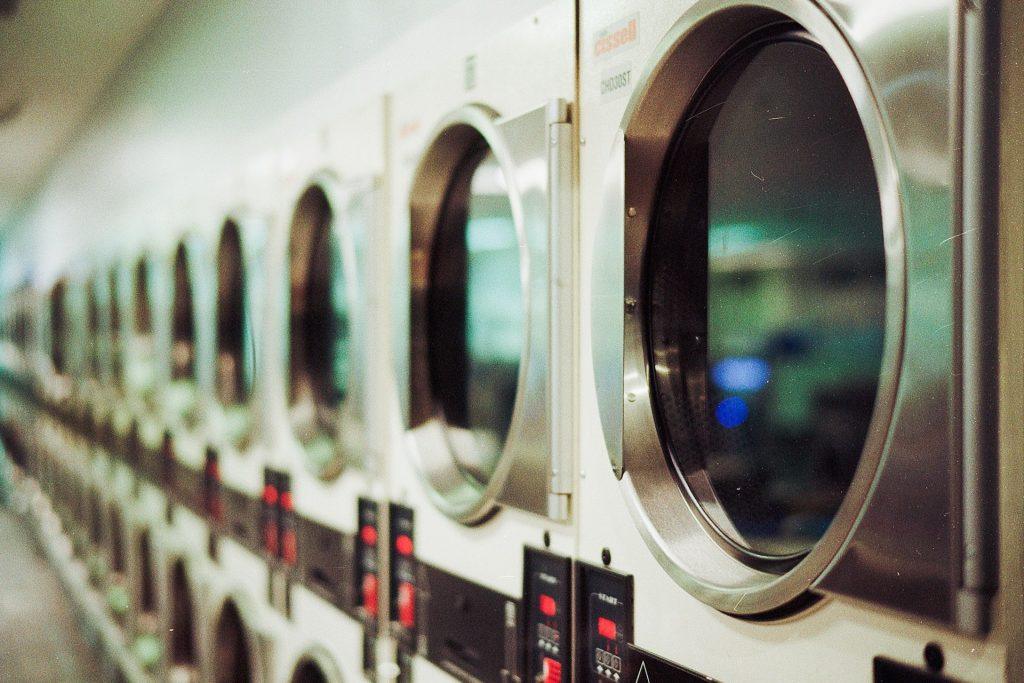
Laundry 101: What to Wash, How to Choose Detergents, and How to Dry Things Right
Laundry Lab: Washing Everything That Belongs in the Washer
Keeping a busy home fresh and organized starts with smart washing and drying habits. In this issue, we simplify what can go in your washer, which detergents to use, and which fabrics should stay out of the dryer or need special care. Quick tip: always check garment care labels first—they’re the best guidance for each item.
Section 1: What can go in the washer
– Everyday cottons and linens: shirts, jeans, towels, bed sheets. Use warm or cold water depending on soil level and colorfastness; wash darks separately from lights.
– synthetics and blends (polyester, nylon, spandex): generally fine on cold or warm cycles; many hold color well.
– Delicates and sweaters: use a gentle or delicate cycle; consider a mesh bag for small items.
– Athletic wear: wash in cold water to protect elasticity; avoid fabric softeners which can reduce moisture-wicking.
– Kids’ clothing and bibs: follow label care; use fragrance-free detergent if there are sensitivities.
– Bedding and bath towels: can often handle warm water; use a longer cycle for bulky items.
– How to sort: by color (lights, darks, bright colors), by fabric type (delicates separately), and by soil level (heavy soils separate from lightly soiled items).
Section 2: Detergents to use
– Types of detergents:
– Liquid detergents: great for greasy stains and pre-treating; easy to measure.
– Powder detergents: often cost-effective; good for hard water when paired with a water-softening booster.
– Detergent pods/pacs: convenient, but use only one per load and keep out of reach of kids.
– Fragrance-free or dye-free options: better for sensitive skin or households with allergies.
– High-efficiency (HE) washers vs standard machines:
– If you have an HE washer, use HE detergents. They produce fewer suds and work best with reduced water.
– If you have a standard washer, regular detergents work fine, but follow the label for the correct amount.
– How much to use:
– Follow the product label; a typical small-to-medium load often uses less than the cap suggests.
– For hard water, you may need a little more detergent or a water-softening booster.
– Special boosters (optional):
– Oxygen-based bleach for whites and color-safe brightening (avoid chlorine bleach on colored fabrics and delicate fibers).
– Stain pretreaters for tough spots (grease, wine, grass). Test on hidden seam first.
– Tips for sensitive households:
– Choose fragrance-free, dye-free detergents.
– Rinse cycles matter; extra rinse can help remove detergent residue that irritates skin.
Section 3: What can be dried in the dryer vs. what should air-dry
– Dryer-friendly items (low to medium heat; shorter cycles help extend life):
– Most cottons and poly-cotton blends
– Synthetic fabrics (polyester, nylon blends)
– Towels and bath sheets
– Sweatshirts and fleece (watch for pilling)
– Delicates and items to air-dry or lay flat:
– Wool and cashmere sweaters (lay flat to preserve shape)
– Silk, satin, and delicate tops (use a lingerie bag or air-dry)
– Rayon/viscose and some duplex fabrics (check care label; many are air-dry only)
– Certain knitted patterns and beaded garments (premature shrinkage risk)
– What “dry-clean only” really means for home laundry:
– Dry-clean-only items should not go in a home washer or dryer unless the care label explicitly says otherwise.
– If you’re ever unsure, test with a small, inconspicuous area or take to a professional cleaner.
– Practical tips to dry efficiently:
– Clean the lint screen before every load to maximize drying efficiency.
– Use the right heat setting: low/air-dry for delicates; medium heat for most cottons; high heat only for sturdy items that tolerate it.
– Use dryer balls or clean tennis balls to help bounce and reduce drying time for bulky items like towels and blankets.
– Remove items promptly to minimize wrinkles; fold or hang after they’re dry.
Section 4: Quick home laundry routine templates
– Everyday casual path: cold wash for most colors, gentle cycle for delicates, air-dry or low-heat for delicate pieces.
– Towels and bedding path: warm wash if soil is moderate, longer dry on medium heat, add dryer balls to speed up drying.
Section 5: Troubleshooting tips
– If colors bleed: wash separate for the first few cycles or use color-catching sheets.
– Lingering odors: rewash with a bit more detergent and add a half cup of baking soda to the wash.
– Clothes shrinking after a warm wash: avoid high heat; re-wet, re-shape, and air dry if possible.
– Detergent residue on clothes: add an extra rinse cycle or run an extra rinse on the machine.
Section 6: A quick care checklist
– Always check care labels before washing.
– Sort by color, fabric type, and soil level.
– Use the appropriate detergent and the recommended dose.
– Match water temperature to the fabric and soil.
– Dry items on the recommended setting; avoid high heat on delicates.
Daily Goals for this Week
Monday – Clear Desk Space
Tuesday – Sort Paperwork
Wednesday – Tidy Desk Drawer
Thursday – Organize Digital Files
Friday – Clean Keyboard
Saturday – Create Functional Workspace
Sunday – Add personal Touches to work space at work and home
Welcome to Monday! I’m working on the corporate paperwork and training an AI but the cleaning Goal for you and for myself today is:
| Clearing the space around the bed – Decluttering – Getting rid of visual stress |
Did you drink your coffee today? For detoxification, it is important to have coffee in the morning with some dairy. You can have dairy in your coffee or have a piece of cheese. Health Storey Coaches can explain to you the importance of coffee with dairy milk.
Clear Space, Clear Mind: The Importance of Minimal Visual Clutter in the Bedroom (Especially Around the Bed)
If your bedroom feels like a staging room for everything you own, your sleep routine might be paying the price. Visual clutter can drain energy, disrupt relaxation, and even make mornings feel chaotic. The good news? A simple, deliberate approach to keeping the space around your bed free of clutter can transform how you rest, recharge, and wake up. Here’s why it matters and how to make it work in real life.
Why visual clutter around the bed matters
Sleep quality and stress: A calm, orderly environment signals to your brain that it’s time to unwind. When surfaces are crowded with books, devices, and laundry, your brain has more stimuli to process at a time when it should be winding down. A cleaner visual field can help reduce cognitive load and promote deeper, more restorative sleep.
Safety and ease: The bed is the room’s center of comfort, but it’s also a potential trip hazard if cords, shoes, or laundry spill into the floor or nightstands. Keeping the space around the bed clear reduces the risk of stumbles at night and makes it easier to get in and out of bed.
Routine and mental clarity: A tidy bedside area supports a smoother evening routine. When you know exactly where the essentials live (lamp, water bottle, a notebook, a charger), you waste less time searching and more time relaxing or drifting off.
Ambiance and mood: Clutter clashes with a tranquil mood. A minimal, uncluttered vibe—soft textures, warm lighting, and a cohesive color palette—creates a sanctuary-like feel that’s inviting to rest.
What “clutter around the bed” typically looks like
Nightstands overloaded with gadgets, cables, and random papers
Cables and chargers sprawling across surfaces or the floor
Stacks of books, magazines, or laundry piles near the bed
Decorative items that aren’t used for sleep, right at eye level
Under-bed storage that’s overflowing or difficult to access