
Daily Storey | Sort Paperwork & Receipts|One Hour a Month|


If your desk looks like a library explosion every tax season, this post is for you. A tidy paperwork system saves time, protects your privacy, and makes audits less stressful. The goal isn’t to become a paper minimalist overnight, but to set up a straightforward rhythm: decide what to keep, securely dispose of what you don’t, and digitize receipts so nothing slides into chaos.

Title: Shred, Recycle, and Relax: A Simple Guide to Tidy Paperwork

The core idea for today’s hour: shred, recycle, and organize with a purpose

  • Shred: anything that contains sensitive personal or financial data (SSN, bank accounts, passwords, etc.).
  • Recycle: what isn’t sensitive and can’t impact your finances or legal obligations.
  • Organize: what you need to keep for audits, taxes, warranties, and compliance.
  • Digitize where possible: scan documents you need to keep and store them securely.

What to avoid

  • Don’t keep everything “just in case.” Most documents have a practical retention window. Holding on indefinitely creates clutter and risk.
  • Don’t mix sensitive papers with general recycling. A pile of unshredded papers can expose you to identity theft and data breaches.
  • Don’t staple and binder-clip everything into one giant folder. It makes shredding and scanning harder, and important items can get buried.
  • Don’t rely on memory or scattered notes for audit-related items. If it’s needed for legal or tax purposes, store it in a labeled, retrievable place.
  • Don’t ignore digital privacy bits. Even digital receipts can contain sensitive information; plan how you store and delete digital copies too.

What to keep for auditing

Audits (tax, legal, or financial) typically require documentation that proves your numbers and decisions. A practical rule of thumb is to keep supporting documents for a reasonable window and then consolidate into a retention plan. When in doubt, consult a CPA or your legal advisor.

Common categories to retain

  • Tax returns and supporting documents (receipts, invoices, mileage logs): keep at least 7 years. This aligns with many tax professionals’ guidance and can help if the IRS questions past filings.
  • Invoices and financial records (vendor invoices, receipts for business expenses): keep 7 years.
  • Bank statements and reconciliations: keep 7 years.
  • Contracts and legal documents: keep the life of the contract plus 7 years.
  • Payroll records and wage statements: keep a minimum of 7 years.
  • Insurance policies and claim records: keep through the policy period plus about 6 years.
  • Asset purchase, depreciation, and title documents: keep for as long as you own the asset, plus 7 years after disposition.
  • Warranties and product manuals related to business assets: keep for as long as you own the item or as long as the warranty lasts.

Retention needs can vary by business type, state requirements, and specific tax rules. If you’re unsure, a quick consult with a CPA can set a precise schedule tailored to you.

You must be logged in to view this content.

Newsletter | Laundry |Health Storey Goals | No. 3 of 2026

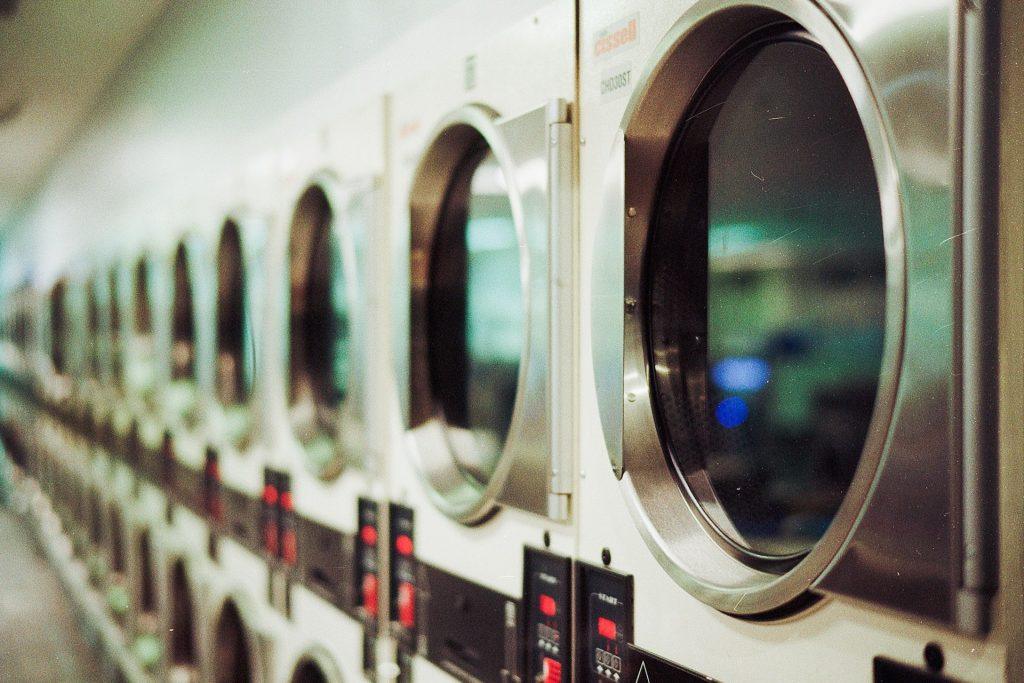
Laundry 101: What to Wash, How to Choose Detergents, and How to Dry Things Right

Laundry Lab: Washing Everything That Belongs in the Washer

Keeping a busy home fresh and organized starts with smart washing and drying habits. In this issue, we simplify what can go in your washer, which detergents to use, and which fabrics should stay out of the dryer or need special care. Quick tip: always check garment care labels first—they’re the best guidance for each item.

Section 1: What can go in the washer

– Everyday cottons and linens: shirts, jeans, towels, bed sheets. Use warm or cold water depending on soil level and colorfastness; wash darks separately from lights.

– synthetics and blends (polyester, nylon, spandex): generally fine on cold or warm cycles; many hold color well.

– Delicates and sweaters: use a gentle or delicate cycle; consider a mesh bag for small items.

– Athletic wear: wash in cold water to protect elasticity; avoid fabric softeners which can reduce moisture-wicking.

– Kids’ clothing and bibs: follow label care; use fragrance-free detergent if there are sensitivities.

– Bedding and bath towels: can often handle warm water; use a longer cycle for bulky items.

– How to sort: by color (lights, darks, bright colors), by fabric type (delicates separately), and by soil level (heavy soils separate from lightly soiled items).

Section 2: Detergents to use

– Types of detergents:

  – Liquid detergents: great for greasy stains and pre-treating; easy to measure.

  – Powder detergents: often cost-effective; good for hard water when paired with a water-softening booster.

  – Detergent pods/pacs: convenient, but use only one per load and keep out of reach of kids.

  – Fragrance-free or dye-free options: better for sensitive skin or households with allergies.

– High-efficiency (HE) washers vs standard machines:

  – If you have an HE washer, use HE detergents. They produce fewer suds and work best with reduced water.

  – If you have a standard washer, regular detergents work fine, but follow the label for the correct amount.

– How much to use:

  – Follow the product label; a typical small-to-medium load often uses less than the cap suggests.

  – For hard water, you may need a little more detergent or a water-softening booster.

– Special boosters (optional):

  – Oxygen-based bleach for whites and color-safe brightening (avoid chlorine bleach on colored fabrics and delicate fibers).

  – Stain pretreaters for tough spots (grease, wine, grass). Test on hidden seam first.

– Tips for sensitive households:

  – Choose fragrance-free, dye-free detergents.

  – Rinse cycles matter; extra rinse can help remove detergent residue that irritates skin.

Section 3: What can be dried in the dryer vs. what should air-dry

– Dryer-friendly items (low to medium heat; shorter cycles help extend life):

  – Most cottons and poly-cotton blends

  – Synthetic fabrics (polyester, nylon blends)

  – Towels and bath sheets

  – Sweatshirts and fleece (watch for pilling)

– Delicates and items to air-dry or lay flat:

  – Wool and cashmere sweaters (lay flat to preserve shape)

  – Silk, satin, and delicate tops (use a lingerie bag or air-dry)

  – Rayon/viscose and some duplex fabrics (check care label; many are air-dry only)

  – Certain knitted patterns and beaded garments (premature shrinkage risk)

– What “dry-clean only” really means for home laundry:

  – Dry-clean-only items should not go in a home washer or dryer unless the care label explicitly says otherwise.

  – If you’re ever unsure, test with a small, inconspicuous area or take to a professional cleaner.

– Practical tips to dry efficiently:

  – Clean the lint screen before every load to maximize drying efficiency.

  – Use the right heat setting: low/air-dry for delicates; medium heat for most cottons; high heat only for sturdy items that tolerate it.

  – Use dryer balls or clean tennis balls to help bounce and reduce drying time for bulky items like towels and blankets.

  – Remove items promptly to minimize wrinkles; fold or hang after they’re dry.

Section 4: Quick home laundry routine templates

– Everyday casual path: cold wash for most colors, gentle cycle for delicates, air-dry or low-heat for delicate pieces.

– Towels and bedding path: warm wash if soil is moderate, longer dry on medium heat, add dryer balls to speed up drying.

Section 5: Troubleshooting tips

– If colors bleed: wash separate for the first few cycles or use color-catching sheets.

– Lingering odors: rewash with a bit more detergent and add a half cup of baking soda to the wash.

– Clothes shrinking after a warm wash: avoid high heat; re-wet, re-shape, and air dry if possible.

– Detergent residue on clothes: add an extra rinse cycle or run an extra rinse on the machine.

Section 6: A quick care checklist

– Always check care labels before washing.

– Sort by color, fabric type, and soil level.

– Use the appropriate detergent and the recommended dose.

– Match water temperature to the fabric and soil.

– Dry items on the recommended setting; avoid high heat on delicates.


Daily Goals for this Week

  • Monday – Clear Desk Space
  • Tuesday – Sort Paperwork
  • Wednesday – Tidy Desk Drawer
  • Thursday – Organize Digital Files
  • Friday – Clean Keyboard
  • Saturday – Create Functional Workspace
  • Sunday – Add personal Touches to work space at work and home

Day Seven | On-Ramping | Clean Kitchen Countertops | Create a Hand Washing Station

Clean Kitchens, Clear Minds: Why Clean Surfaces, Rinsed Produce, and Hand Hygiene Station

Between planning your year and juggling a million little details, a tidy, hygienic kitchen can feel like a stress-reliever, not a chore. A clean environment isn’t just about appearances—it helps reduce cross-contamination, supports safer food prep, and leaves you with one less thing to worry about on a busy day. Here’s a practical guide to keeping your kitchen surfaces clean, understanding the germs that linger, and mastering the basics of rinsing food and washing hands.

A clean environment begins with clean surfaces

  • Start with daily cleaning: Everyday cleaning removes dirt and many germs. Use hot, soapy water to wipe down counters, cutting boards, and utensils after you finish preparing each food item. This is a foundation step before any sanitizing. (cdc.gov)
  • When to disinfect: Cleaning is often enough, but you may choose to disinfect high-touch surfaces with a specific cleaning spray. Trefuly uses a pink grapefruit smelling all purpose cleaner and a scratch free powder cleanser to clean the countertops.

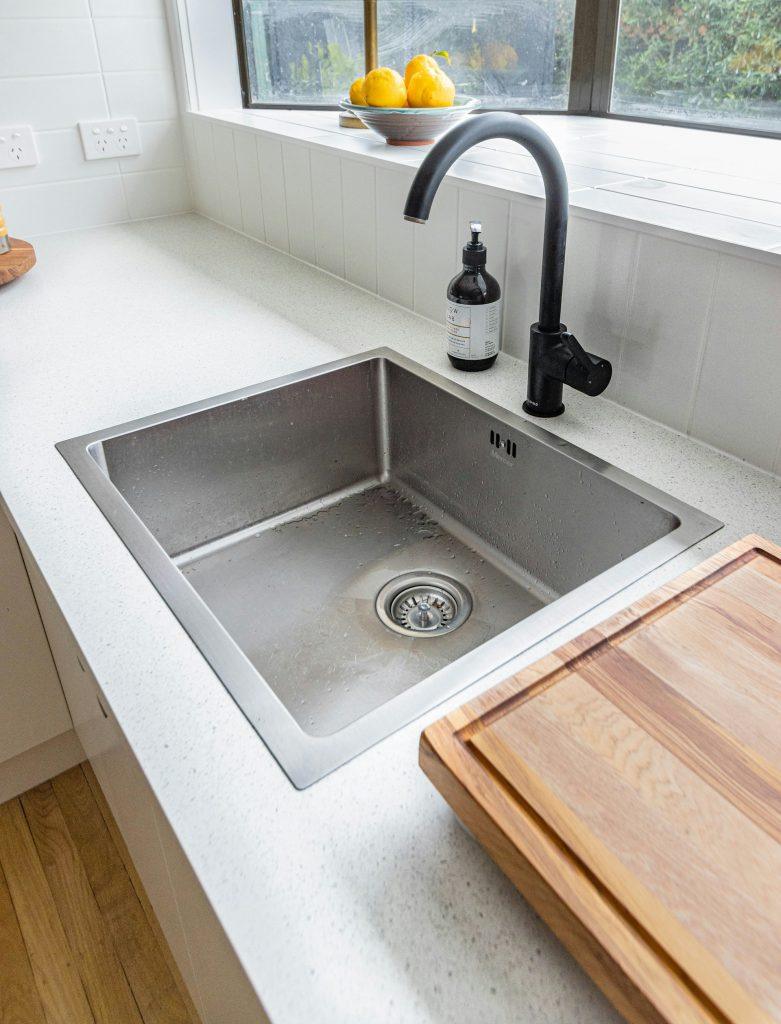
Establish a Convenient Hand Washing Station Beside Your Kitchen Sink

The kitchen sink is a hub of activity, not just for dishwashing but often for food preparation and general cleanup. Creating a dedicated hand washing station right next to it can significantly enhance hygiene, convenience, and efficiency in your kitchen routine. No more reaching for the bathroom or contaminating food prep areas – everything you need for clean hands is precisely where you need it.

Why a Dedicated Hand Washing Station?

  • Immediate Access: Wash hands instantly before, during, and after handling food, or after touching raw ingredients.
  • Enhanced Hygiene: Reduces the risk of cross-contamination by keeping hand washing separate from dishwashing within the same zone.
  • Streamlined Workflow: Saves time and effort, making hand hygiene a seamless part of your kitchen tasks.
  • Encourages Frequent Washing: Its prominent placement serves as a constant reminder to wash hands regularly.

What You’ll Need to Set Up Your Station:

  1. Quality Hand Soap:
    • Choice: Opt for a gentle, moisturizing liquid hand soap that cleans effectively without drying out your skin. Foaming soaps can also be a good choice for quick rinsing.
    • Dispenser: A refillable pump dispenser is ideal. Consider one that matches your kitchen aesthetic – ceramic, glass, or stainless steel options are popular. Touchless dispensers offer an extra layer of hygiene.
  2. Convenient Drying Method:
    • Small Hand Towel: Dedicate a small, absorbent hand towel specifically for drying hands. Choose a color or pattern distinct from your dish towels to avoid confusion.
    • Placement: Use a small towel ring, hook (adhesive or screw-in), or a countertop stand placed within easy reach of the sink.
    • Frequency: Ensure you have multiple towels on rotation, changing them daily or as needed to prevent bacteria buildup.
  3. Optional Enhancements for an Elevated Station:
    • Hand Lotion: Keep a small bottle of your favorite hand lotion nearby to moisturize after washing, especially if you wash your hands frequently.
    • Small Tray or Caddy: A waterproof tray or caddy can stylishly organize your soap dispenser, lotion, and perhaps a small scrubbing brush or nail brush, keeping the area tidy and protecting your countertop from drips.
    • Nail Brush: For thorough cleaning under fingernails, a small, dedicated nail brush can be a valuable addition.

Tips for Placement and Maintenance:

  • Strategic Location: Place your soap dispenser and drying method on the most accessible side of the sink – typically the side closest to your primary food prep area.
  • Keep it Clean: Regularly wipe down the area around your hand washing station to prevent soap scum and water stains. Wash or replace hand towels frequently.
  • Refill Promptly: Don’t let your soap dispenser run empty! Keeping it stocked ensures consistent hygiene.

By investing a little thought into creating a dedicated hand washing station, you’ll not only elevate the cleanliness of your kitchen but also promote healthier habits for everyone who uses it.

Please look for the Health Storey Newsletter for this week’s goals.