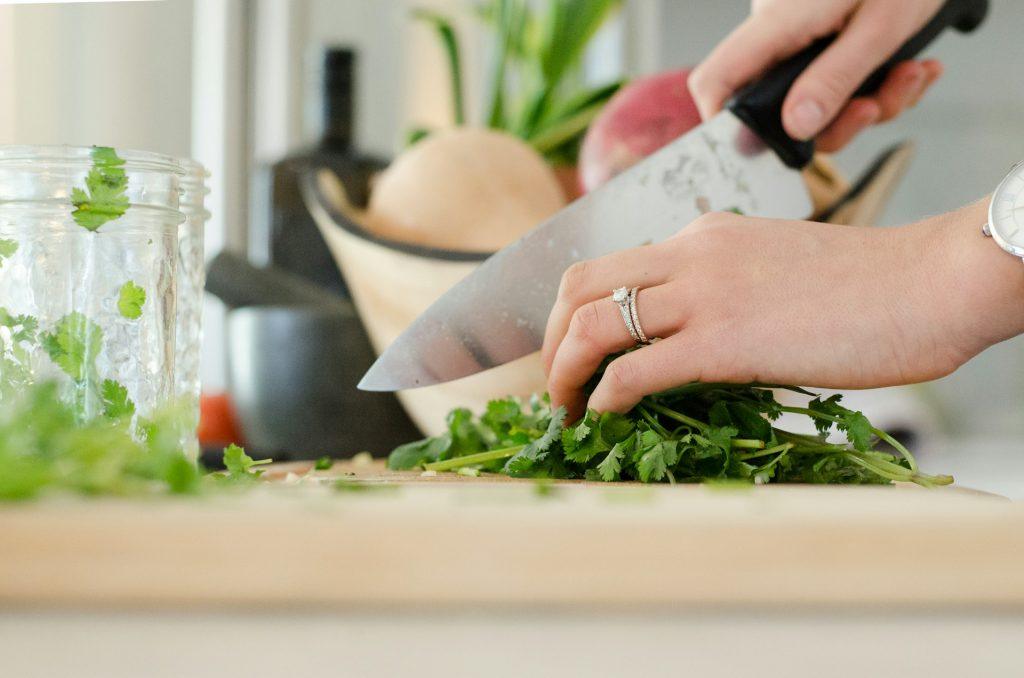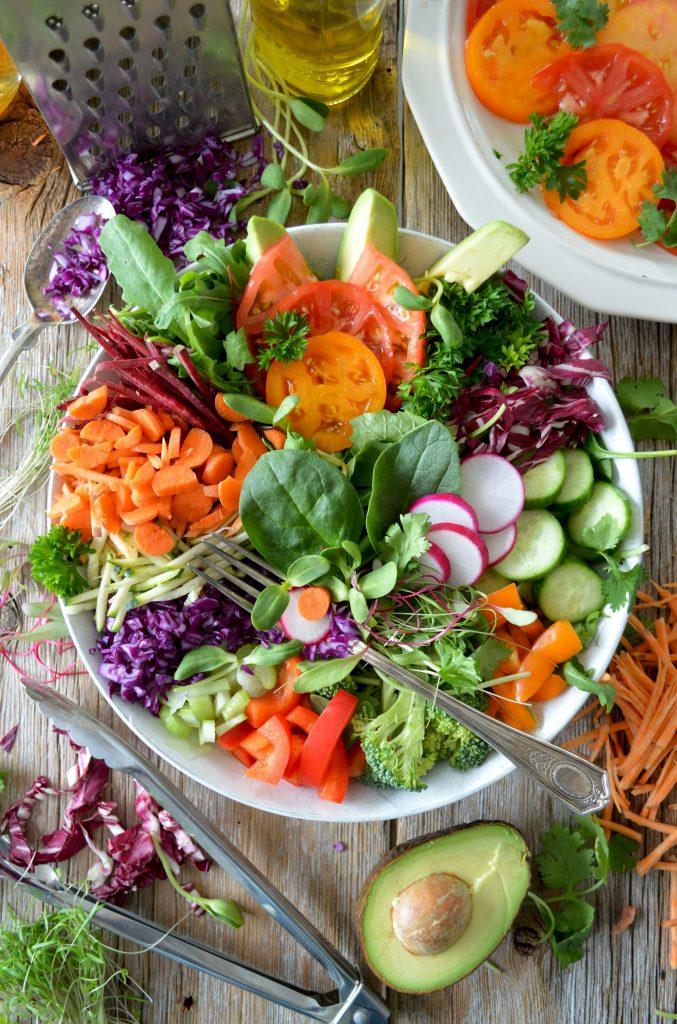

Cook a meal together. Make it less stressful by prepping the meal in advance
Cooking a meal together creates memories and traditions: Cooking a meal together as a couple on Valentine’s day is an option but planning a weekly cooking night can become a romantic gesture strengthening your relationship. Cooking memories such as the day you grilled garlic or tasted a new sauce are great ways to build up joint memories.
By cooking together, you improve your cooking skills and maybe become gourmets. As a couple, you can learn new cooking skills or research new cooking equipment. Even a simple dish can become a way to explore new cultures, family histories and personal taste.
Don’t Make Excuses
– “We’re too busy.” Start small: a 20–30 minute meal window once a week can become a reliable routine. Plan ahead with a simple, one-pot or sheet-pan recipe, or pre-measure ingredients the night before.
“Some of us don’t want to cook.” Make it a life experience. You are a team cooking to reduce your food budget or save to go out and eat. Helping to cook meals or prep the kitchen for cooking helps strengthen your family relationship and family bonds.
“We argue over taste.” Pick a flexible recipe that can be spiced up with sauces. Build a base meal and offer optional add-ins so people can customize without conflict.
Practical tips for Cooking Together
Rotating roles keeps everyone engaged and prevents one person from always doing the boring tasks.
Make cleanup part of the plan and clean as you are cooking. Don’t wait until the end of the prep to wash, wipe, and put away. A quick cleanup will keep everyone happy and prevent leftovers from piling up.
Create a playlist for cooking or look for one on Youtube.
Valentine Cooking Date | Date Night ideas to try
Build-your-own pizza night: Prepare dough (or use store-bought), set out toppings, and let everyone craft their own mini pizza. It’s fast, fun, and allows for plenty of customization.
A Taco or Nacho bar: Soft tortillas, seasoned meat or beans, and a colorful array of toppings. Great for a quick, social cooking experience.
Pasta party: Create Fresh Pasta, Boil, toss with a simple sauce, and finish with cheese, herbs. Make a garlic bread on the side.
Cooking a meal together is a repeatable act of teamwork that can strengthen communication and offer opportunities for more communication.
I usually am not talking about my personal life but I am putting a little note in today, I have been appointed as Senator of Georgia, USA which is an inherited seat. I will be working in DC and Atlanta starting this month. Because of this unexpected change in my career path caused by inheritance, HealthStoreyUSA’s launch is delayed until I hire staff to work in my place.
Sincerely, Dr. Emmy Ann Horstkamp, JD, Senator from Georgia, Chief of Tribe America.
Daily goals to get you travel-ready and eating more vegetables this February.
As you plan trips and look toward a healthier routine, this week’s newsletter brings you a practical, easy-to-follow prep plan. We’ve lined up daily goals to get your space, your packing, and your meals on track—plus a February veggies spotlight to keep your plate vibrant even while you’re on the go.
This Week’s Daily Goals
– Monday, January 26: Empty Trash from House
– Tuesday, January 27: Organize a Drawer
– Wednesday, January 28: Vacuum the House
– Thursday, January 29: Prepare to Leave on a Trip
– Friday, January 30: Organize Travel Bags, Clean Them
– Saturday, January 31: Travel Luggage for a Weekend
– Sunday, February 1: February is About Eating More Vegetables
Healthy Travel Prep: Quick Tips
– Hydration on the go: Carry flavour packets. My favourite drink mix contains 3 grams of electrolytes that hydrate and add flavour to city tap water or bottle of water you purchase at the store. If you are packing light, you do not need to bring your own drink containers on your trip.
– Smart Lunch options: Before lunch or dinner, eat a handful of nuts to add protein to your meal. While traveling, your meals may not be as balanced or may contain less protein than at home.
-Focus on Neat Movement: You will be on a flight, spend the time at the airport standing or walking around. Track your mileage on your phone. Make sure to use the bathroom before getting on the plane and limit what you eat while flying. Grab a beverage when you land to drink while going through customs and picking up your luggage.
Sleep: Take ear buds and a travel pillow. You can buy a travel pillow at the airport for around ten dollars and give it to someone as a gift. Once you are at your destination, stay awake as long as you can to avoid jet lag. Carry a compact eye mask, earplugs, a small pillow, and a reusable tote for day trips.
Travel health kit: Grab the first aid kit you created for traveling and make sure it includes: basic bandages, antiseptic wipes, pain relievers, any personal meds, homemade ginger candy.
Focus of February 2026 Daily Goals
Vegetables
– Veggies of the Month: Bok choy Mushrooms, Peppers and Lettuce. Each week the focus will be on adding vegetables to our rice for breakfast and lunch.
Topics for Feb: Quick Prep for Veggies, Storage ideas and nutritional information and research on different vegetables being added into the Daily Story month.
Laundry 101: What to Wash, How to Choose Detergents, and How to Dry Things Right
Laundry Lab: Washing Everything That Belongs in the Washer
Keeping a busy home fresh and organized starts with smart washing and drying habits. In this issue, we simplify what can go in your washer, which detergents to use, and which fabrics should stay out of the dryer or need special care. Quick tip: always check garment care labels first—they’re the best guidance for each item.
Section 1: What can go in the washer
– Everyday cottons and linens: shirts, jeans, towels, bed sheets. Use warm or cold water depending on soil level and colorfastness; wash darks separately from lights.
– synthetics and blends (polyester, nylon, spandex): generally fine on cold or warm cycles; many hold color well.
– Delicates and sweaters: use a gentle or delicate cycle; consider a mesh bag for small items.
– Athletic wear: wash in cold water to protect elasticity; avoid fabric softeners which can reduce moisture-wicking.
– Kids’ clothing and bibs: follow label care; use fragrance-free detergent if there are sensitivities.
– Bedding and bath towels: can often handle warm water; use a longer cycle for bulky items.
– How to sort: by color (lights, darks, bright colors), by fabric type (delicates separately), and by soil level (heavy soils separate from lightly soiled items).
Section 2: Detergents to use
– Types of detergents:
– Liquid detergents: great for greasy stains and pre-treating; easy to measure.
– Powder detergents: often cost-effective; good for hard water when paired with a water-softening booster.
– Detergent pods/pacs: convenient, but use only one per load and keep out of reach of kids.
– Fragrance-free or dye-free options: better for sensitive skin or households with allergies.
– High-efficiency (HE) washers vs standard machines:
– If you have an HE washer, use HE detergents. They produce fewer suds and work best with reduced water.
– If you have a standard washer, regular detergents work fine, but follow the label for the correct amount.
– How much to use:
– Follow the product label; a typical small-to-medium load often uses less than the cap suggests.
– For hard water, you may need a little more detergent or a water-softening booster.
– Special boosters (optional):
– Oxygen-based bleach for whites and color-safe brightening (avoid chlorine bleach on colored fabrics and delicate fibers).
– Stain pretreaters for tough spots (grease, wine, grass). Test on hidden seam first.
– Tips for sensitive households:
– Choose fragrance-free, dye-free detergents.
– Rinse cycles matter; extra rinse can help remove detergent residue that irritates skin.
Section 3: What can be dried in the dryer vs. what should air-dry
– Dryer-friendly items (low to medium heat; shorter cycles help extend life):
– Most cottons and poly-cotton blends
– Synthetic fabrics (polyester, nylon blends)
– Towels and bath sheets
– Sweatshirts and fleece (watch for pilling)
– Delicates and items to air-dry or lay flat:
– Wool and cashmere sweaters (lay flat to preserve shape)
– Silk, satin, and delicate tops (use a lingerie bag or air-dry)
– Rayon/viscose and some duplex fabrics (check care label; many are air-dry only)
– Certain knitted patterns and beaded garments (premature shrinkage risk)
– What “dry-clean only” really means for home laundry:
– Dry-clean-only items should not go in a home washer or dryer unless the care label explicitly says otherwise.
– If you’re ever unsure, test with a small, inconspicuous area or take to a professional cleaner.
– Practical tips to dry efficiently:
– Clean the lint screen before every load to maximize drying efficiency.
– Use the right heat setting: low/air-dry for delicates; medium heat for most cottons; high heat only for sturdy items that tolerate it.
– Use dryer balls or clean tennis balls to help bounce and reduce drying time for bulky items like towels and blankets.
– Remove items promptly to minimize wrinkles; fold or hang after they’re dry.
Section 4: Quick home laundry routine templates
– Everyday casual path: cold wash for most colors, gentle cycle for delicates, air-dry or low-heat for delicate pieces.
– Towels and bedding path: warm wash if soil is moderate, longer dry on medium heat, add dryer balls to speed up drying.
Section 5: Troubleshooting tips
– If colors bleed: wash separate for the first few cycles or use color-catching sheets.
– Lingering odors: rewash with a bit more detergent and add a half cup of baking soda to the wash.
– Clothes shrinking after a warm wash: avoid high heat; re-wet, re-shape, and air dry if possible.
– Detergent residue on clothes: add an extra rinse cycle or run an extra rinse on the machine.
Section 6: A quick care checklist
– Always check care labels before washing.
– Sort by color, fabric type, and soil level.
– Use the appropriate detergent and the recommended dose.
– Match water temperature to the fabric and soil.
– Dry items on the recommended setting; avoid high heat on delicates.
Daily Goals for this Week
Monday – Clear Desk Space
Tuesday – Sort Paperwork
Wednesday – Tidy Desk Drawer
Thursday – Organize Digital Files
Friday – Clean Keyboard
Saturday – Create Functional Workspace
Sunday – Add personal Touches to work space at work and home
Declutter the Bathroom: Essentials, Smart Storage, Clean-Look Colors, and a 60-Minute Decluttering Plan
A cluttered bathroom can make mornings chaotic and showers feel less spa-like. The key is to keep only what you truly use, store the rest where it belongs, and choose colors and organizers that reflect calm and cleanliness. Below is a practical guide you can follow to reclaim your space—without turning it into a full-day project.
What to keep in the bathroom (the essentials) These items belong in the bathroom vanity or medicine cabinet because they’re used daily or weekly and benefit from being close at hand.
Daily hygiene basics
Toothbrush, toothpaste, floss, mouthwash
Soap or hand wash, facial cleanser, moisturizer
Cotton rounds, Q-tips, cotton balls (store in a small drawer or container)
Grooming and personal care
Hairbrush/comb, razor and replacement blades, shaving cream or gel
Daily skincare products (serums, SPF, etc.)
Nail care kit (emery boards, clippers)
Towels and washcloths (a small, accessible set)
One to two hand towels on a rack; a few washcloths tucked in a basket
Cleaning essentials (kept discreetly, but within reach)
All-purpose cleaner or bathroom cleaner, toilet bowl cleaner and brush, microfiber cloths
Toilet paper (a small stock in the bathroom is handy; bulk rolls can live in a hallway/utility closet)
First-aid and medications (in a secure, accessible spot)
A small first-aid kit and any daily medications should be stored in a locked or childproof cabinet if children are present
Minor storage helpers
A small trash can with a liner, a dish or tray for everyday items that live on the counter
Items you can relocate from the bathroom
Extra toiletries and household supplies you don’t use daily
Extra shampoo, conditioner, body wash, or facial products
Extra razors, sunscreen, or cosmetics that you don’t reach for weekly
Bulk or seasonal items
Spare toilet paper, tissues, or cleaning products that aren’t used this week
Hair tools and beauty devices you don’t use daily
Hair dryers, curling irons, or straighteners can live in a bedroom closet or dedicated “tools” bin
Clean Kitchens, Clear Minds: Why Clean Surfaces, Rinsed Produce, and Hand Hygiene Station
Between planning your year and juggling a million little details, a tidy, hygienic kitchen can feel like a stress-reliever, not a chore. A clean environment isn’t just about appearances—it helps reduce cross-contamination, supports safer food prep, and leaves you with one less thing to worry about on a busy day. Here’s a practical guide to keeping your kitchen surfaces clean, understanding the germs that linger, and mastering the basics of rinsing food and washing hands.
A clean environment begins with clean surfaces
Start with daily cleaning: Everyday cleaning removes dirt and many germs. Use hot, soapy water to wipe down counters, cutting boards, and utensils after you finish preparing each food item. This is a foundation step before any sanitizing. (cdc.gov)
When to disinfect: Cleaning is often enough, but you may choose to disinfect high-touch surfaces with a specific cleaning spray. Trefuly uses a pink grapefruit smelling all purpose cleaner and a scratch free powder cleanser to clean the countertops.
Establish a Convenient Hand Washing Station Beside Your Kitchen Sink
The kitchen sink is a hub of activity, not just for dishwashing but often for food preparation and general cleanup. Creating a dedicated hand washing station right next to it can significantly enhance hygiene, convenience, and efficiency in your kitchen routine. No more reaching for the bathroom or contaminating food prep areas – everything you need for clean hands is precisely where you need it.
Why a Dedicated Hand Washing Station?
Immediate Access: Wash hands instantly before, during, and after handling food, or after touching raw ingredients.
Enhanced Hygiene: Reduces the risk of cross-contamination by keeping hand washing separate from dishwashing within the same zone.
Streamlined Workflow: Saves time and effort, making hand hygiene a seamless part of your kitchen tasks.
Encourages Frequent Washing: Its prominent placement serves as a constant reminder to wash hands regularly.
What You’ll Need to Set Up Your Station:
Quality Hand Soap:
Choice: Opt for a gentle, moisturizing liquid hand soap that cleans effectively without drying out your skin. Foaming soaps can also be a good choice for quick rinsing.
Dispenser: A refillable pump dispenser is ideal. Consider one that matches your kitchen aesthetic – ceramic, glass, or stainless steel options are popular. Touchless dispensers offer an extra layer of hygiene.
Convenient Drying Method:
Small Hand Towel: Dedicate a small, absorbent hand towel specifically for drying hands. Choose a color or pattern distinct from your dish towels to avoid confusion.
Placement: Use a small towel ring, hook (adhesive or screw-in), or a countertop stand placed within easy reach of the sink.
Frequency: Ensure you have multiple towels on rotation, changing them daily or as needed to prevent bacteria buildup.
Optional Enhancements for an Elevated Station:
Hand Lotion: Keep a small bottle of your favorite hand lotion nearby to moisturize after washing, especially if you wash your hands frequently.
Small Tray or Caddy: A waterproof tray or caddy can stylishly organize your soap dispenser, lotion, and perhaps a small scrubbing brush or nail brush, keeping the area tidy and protecting your countertop from drips.
Nail Brush: For thorough cleaning under fingernails, a small, dedicated nail brush can be a valuable addition.
Tips for Placement and Maintenance:
Strategic Location: Place your soap dispenser and drying method on the most accessible side of the sink – typically the side closest to your primary food prep area.
Keep it Clean: Regularly wipe down the area around your hand washing station to prevent soap scum and water stains. Wash or replace hand towels frequently.
Refill Promptly: Don’t let your soap dispenser run empty! Keeping it stocked ensures consistent hygiene.
By investing a little thought into creating a dedicated hand washing station, you’ll not only elevate the cleanliness of your kitchen but also promote healthier habits for everyone who uses it.
Please look for the Health Storey Newsletter for this week’s goals.
Transforming Your Refrigerator into a Central Command Center: On-Ramping Goals & Meal Prep Inventory
Your refrigerator door isn’t just for displaying takeout menus or magnet souvenirs; it’s prime real estate for practical organization. By leveraging its highly visible surface, you can transform it into a dynamic command center for both your project goals and your kitchen inventory. This method ensures crucial information is always front-and-center, fostering accountability and reducing food waste.
The Power of the Fridge Door as an Information Hub
Placing important lists on the refrigerator door works because:
High Visibility: It’s a household appliance everyone interacts with multiple times a day. You can’t ignore it.
Constant Reminder: Visual cues reinforce intentions and prevent tasks or ingredients from being forgotten.
Shared Access: It’s easily accessible for all household members, promoting collective awareness and participation.
On-Ramping Goal List: Visualizing Progress
Whether you’re “on-ramping” a new fitness routine, a complex work project, a new household habit, or even a new family member into a routine, displaying the goals visibly can significantly boost momentum and clarity.
Why the Fridge? For any new initiative, consistency and clarity are key. A constantly visible goal list on the fridge serves as a daily reminder of what needs to be done, the next steps, and the overall objective, preventing drift and maintaining focus.
How to Implement Using Post-its, Whiteboards & Magnets:
Dedicated Whiteboard Section: Dedicate a small magnetic whiteboard or a section of a larger one specifically for your “On-Ramping Goals.”
Structure: Title it clearly (e.g., “Project X On-Ramp,” “New Habit Launch,” “Family Chore Integration”).
Milestones: List major phases or key milestones using a dry-erase marker.
Dates: Add target dates for each milestone.
Post-it Note Task Breakdown: For actionable steps within each milestone:
Individual Tasks: Write each specific task on a separate Post-it note.
Color-Coding: Use different colored Post-its for different categories of tasks (e.g., green for completed, yellow for in-progress, pink for next steps).
Movement: As tasks are completed, move the Post-it to a “Done” section on the whiteboard or simply remove it.
Magnetic Indicators: Use small, distinct magnets to:
Highlight Priority: Place a star magnet next to the most urgent task.
Indicate Owner: Assign different shaped magnets to different family members responsible for a task.
Track Progress: Move a magnet along a linear goal path drawn on the whiteboard.
2. Meal Prepping Contents: Mastering Your Inventory
For those who meal prep, knowing exactly what’s in your fridge (and when it needs to be used) is a game-changer for reducing food waste, saving money, and streamlining cooking.
Why the Fridge? Instead of rummaging through containers, an external inventory provides an instant overview of prepared meals, ingredients needing to be used, and their freshness status, making meal selection and future planning much easier.
How to Implement Using Post-its, Whiteboards & Magnets:
Dedicated Whiteboard Section: Reserve a section of your fridge door whiteboard for “Fridge Contents” or “Meal Prep Inventory.”
Columns: Draw columns for “Item,” “Quantity,” and “Use By/Prep Date.” Think about creating a spreadsheet to print for the door.
Post-it Note Item Tracking: This is where Post-its shine for dynamic inventory management.
Each Item, One Note: When you prep a dish or store a specific ingredient (e.g., “Grilled Chicken Breast,” “Chopped Bell Peppers,” “Lentil Soup”), write it on a Post-it.
Date Added/Use By: Crucially, add the date it was prepped or the “use by” date.
Location: You can even note which shelf it’s on (e.g., “Top Shelf – Left”).
Removal: Once an item is consumed or used up, simply peel off and discard the Post-it.
Magnetic Categories/Indicators:
“Eat First” Magnet: Use a distinctive magnet (e.g., a bright red one) to highlight items that are nearing their “use by” date and need to be prioritized.
Section Dividers: If your whiteboard is large, use magnetic strips to divide sections for “Cooked Meals,” “Prepped Veggies,” “Sauces,” etc.
Quantity Markers: Small number magnets could indicate the number of servings or portions remaining.
Example Content:
Whiteboard Header: “Fridge Inventory – Week of Oct 2”
Post-it Notes:
“Chicken Stir-fry (2 serv) – Ppd Oct 1” (with a “Eat First!” magnet)
“Hard-boiled Eggs (x6) – Ppd Sept 30”
“Chopped Carrots – Ppd Oct 1”
“Quinoa (3 cups) – Ppd Sept 30”
“Broccoli Florets – Fresh”
By consistently utilizing your refrigerator door with these simple yet effective tools, you create a visual management system that supports goal attainment and optimizes your kitchen workflow, turning a common appliance into an indispensable organizational asset.
Detox Your Kitchen: Removing Everything That Causes You to Overeat Calories
When it comes to managing weight and creating healthier eating habits, the environment you live in plays a crucial role—especially your kitchen. If your kitchen is filled with tempting snacks and calorie-dense foods, resisting overeating can become a battle. One effective way to regain control is to detox your kitchen by categorizing and removing foods based on their ability to trigger overeating.