
Detox Your Kitchen: Removing Everything That Causes You to Overeat Calories
When it comes to managing weight and creating healthier eating habits, the environment you live in plays a crucial role—especially your kitchen. If your kitchen is filled with tempting snacks and calorie-dense foods, resisting overeating can become a battle. One effective way to regain control is to detox your kitchen by categorizing and removing foods based on their ability to trigger overeating.
Understanding the Traffic Light Diet for Detoxing
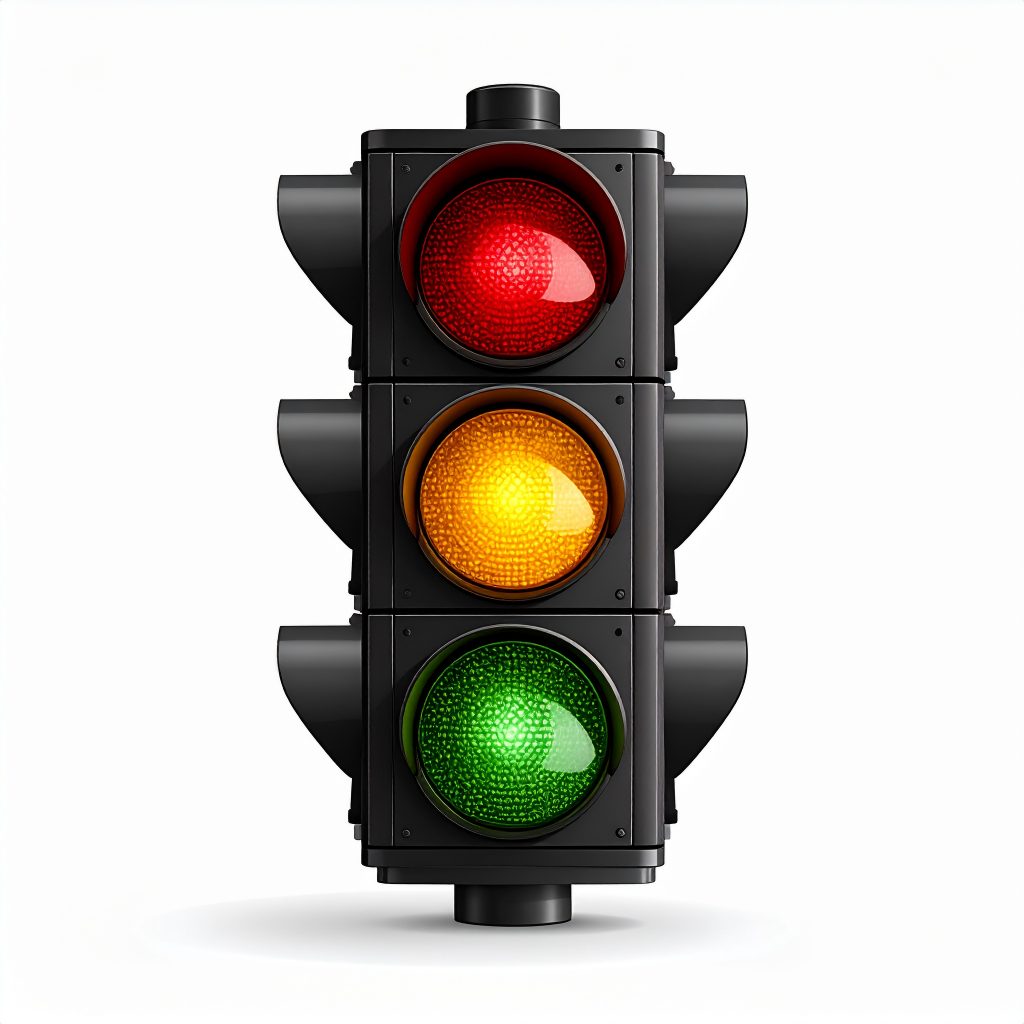
Originally developed in the late 1970s and early 1980s by Dr. Leonard H. Epstein and his colleagues, the “Traffic Light Diet” was designed as a simple dietary tool for family-based childhood weight research. This system uses three colors—red, yellow, and green—not to describe the colors of foods themselves, but as a guide to regulate eating behaviors. For detoxing and controlling overeating, we can adapt this system to classify foods based on how they impact your tendency to overconsume.
- Red Foods: These are the biggest triggers for overeating and should be removed from your kitchen. Red foods often include highly processed, sugary, or high-fat items that prompt cravings and make it hard to stop eating once you start. This category may also include comfort foods that are high in calorie.
- Yellow Foods: Yellow foods aren’t outright harmful but may still pose some risk of overeating or may not be the healthiest choice. These should be kept in limited quantities in your kitchen.
- Green Foods: These are the safe, healthy options that won’t trigger overeating and are good to have readily available. Green foods should become staples in your kitchen detox.
Red Foods to Remove from Your Kitchen
Red foods tend to have characteristics that make them highly palatable and easy to overeat. Examples include:
- Candy, chocolates, and sweets
- Sugary cereals and pastries
- Chips, crackers, and other salty snacks
- Soda, sweetened beverages, and energy drinks
- Ice cream, baked desserts, and processed foods high in sugar and fat
Removing these foods can dramatically reduce temptations and mindless snacking, helping to break the cycle of overeating.
Yellow Foods to Manage Carefully
Yellow foods aren’t forbidden, but they demand caution:
- Whole grain baked goods and cereals with moderate sugar
- Natural nut butters (watch portion sizes)
- Cheese and yogurt with some added sugar or fat
- Dried fruits (high in natural sugar, consume in moderation)
- Homemade treats with controlled ingredients. ( Avoid baking during on-ramping.)
Keep yellow foods in moderation and ensure portion control. These foods can be part of a healthy diet but should not be consumed excessively.
Green Foods to Fill Your Kitchen With
Green foods promote fullness and nourish your body without triggering overeating:
- Fresh vegetables and greens
- Fresh fruits
- Lean proteins such as chicken breast, fish, beans, mushrooms and legumes
- Grains like different types of rice, wheat and corn.
- Proteins such as nuts and seeds in controlled amounts.
- Tap or spring water, teas, milk and unsweetened beverages
By focusing on green foods, you create meals that provide appetite control, body health support. By eating nutrient-dense food, Health Storey detoxers provide building blocks for the body to improve it’s health baseline.
How to Start Your Kitchen Detox Today
- Inventory Your Kitchen: Take a close look at everything in your pantry, fridge, and freezer.
The time it takes to inventory and label a kitchen can vary depending on the size of the kitchen, the number of food items, and how organized the space is initially. Here’s a general time estimation:
Small Kitchen (1-2 pantry/cabinet areas, fridge, freezer): 30 to 45 minutes
Medium Kitchen (3-4 pantry/cabinet areas, fridge, freezer): 45 to 75 minutes
Large Kitchen (multiple pantry/cabinet areas, large fridge & freezer): 1.5 to 2 hours
This time estimate includes:
Taking everything out for a clear view and sorting
Classifying foods into red, yellow, and green categories
Labeling items and deciding what to keep, limit, or remove
Organizing the remaining foods back into the kitchen
For a smoother process, it helps to have labeling materials ready (stickers, markers, or pre-printed labels) and to allocate some uninterrupted time to focus on the task.
Classify your Foods with labels and calorie count: Use the red, yellow, and green system based on their ability to trigger overeating.
Eliminate Red Foods: Throw away, or give away red foods you don’t need. Do not keep them in your house.
Control Yellow Foods: Limit portions and buying frequency. Make sure the calories per serving is clearly labeled for when you are making decisions on what to eat during detoxing.
Stock Up on Green Foods: Shop for fresh, whole, and nutrient-rich options knowing the calories of each food you purchase.
Create New Habits: Plan meals around the green food category to stay on track.
Detoxing your kitchen by removing overeating triggers is a powerful step toward a better and healthier lifestyle. Using the adapted traffic light system helps simplify choices and reduce decision fatigue while promoting mindful eating habits. Remember, the goal is not perfection but creating an environment that supports your well-being and helps you enjoy food without guilt or excess.
Start your kitchen detox today and take control over your cravings—your body and mind will thank you!
Disclaimer: The content on this site is for educational purposes only and is not tailored to individual subscribers. Questions or topics may not be submitted unless you are registered as a Health Storey Client. All subscribers have access to the Website FAQ . No question is answered unless the person is a registered Health Storey Client. Dr. Emmy Ann Horstkamp, JD’s research on adipose detoxification is based on self-studies and publicly available research sources. Subscription to the Trefuly websites does not confer Certified Health Story Coach status. Thank you for reading!