Vacation Countdown Starts on Monday. 30 Days of Prep to leave your desk and not worry about your projects or colleagues.


Health Storey Daily for Clients
Vacation Countdown Starts on Monday. 30 Days of Prep to leave your desk and not worry about your projects or colleagues.

The short answer is yes.
When a colleague is focused, your goal is to gauge their “interruptibility” without actually breaking their flow yet.
Knocking on a door can feel intrusive. Your opening should bridge the gap between “I’m interrupting” and “This is worth your time.”
In a cold call, you have about five seconds before the “sales” shield goes up. Avoid “How are you today?”
| Scenario | Avoid This (Low Intent) | Try This (High Intent) |
| Colleague | “Got a sec?” | “Are you in the middle of something, or can I ask a quick question /favour?” |
| Boss | “Can I talk to you?” | “I have an update or issue. Do you have a second? [ Stay Standing and in the doorway.] |
| Client | “How’s your day going?” | “Morning! I’m calling to invite/let you know/find out/ |
The difference is subtle but powerful. “You” statements often sound like an attack, which triggers a “fight or flight” response in the listener.

| Situation | The “You” Statement (Avoid) | The “I” Statement (Try This) |
| Late Reply | “You always ignore my texts.” | “I feel anxious when I don’t hear back from you. I’d love a quick thumbs-up next time so I can finalize our schedule.” |
| Messy Kitchen | “You’re so lazy; you never clean up.” | “I feel overwhelmed when the counters are messy. I like to cook in a clean space. Could you please help clear the dishes before bed?” |
| Interruption | “You keep cutting me off!” | “I feel frustrated when I’m interrupted. I lose my train of thought. I’d like to finish my point.” |
In personal relationships, the goal is usually connection and understanding. Using “absolutes” or “character attacks” makes the other person feel trapped and judged.
| Word/Phrase | Why it’s Dangerous | Better Alternative |
| “Always” / “Never” | These are rarely factually true and make the person feel like a lost cause. | “In this specific instance…” |
| “But” | It effectively erases everything you said before it (e.g., “I love you, but…”). | Use “And” or “At the same time…” |
| “Anyway” | A dismissive way to shut down the other person’s feelings mid-sentence. | “I hear you. Let’s look at…” |
| “Calm down” | This almost always has the opposite effect. It minimizes their emotions. | “I can see you’re upset. I want to listen.” |
| “Divorce” / “Over” | Using the “nuclear option” during a minor spat destroys trust and security. | Keep the focus on the current issue. |

In a professional setting, the goal is problem-solving and efficiency. Words that imply a lack of accountability or emotional volatility can damage your reputation.
Types of Early Warning System Signs:
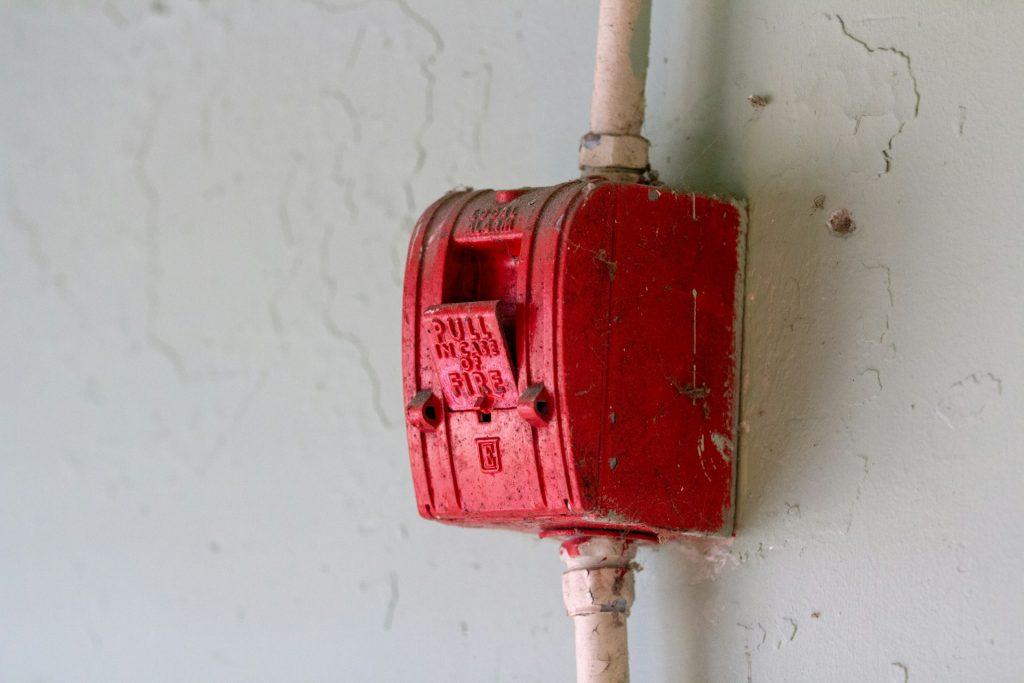
These aren’t explosive discussions, they are the quiet erosion of quality interaction which lead to more serious arguments.
Look for changes in the relationship.
| Feature | Healthy Rhythm | Warning Signal |
| Humor | Playful, shared jokes. | Sarcasm with a “bite” or “just kidding” barbs. |
| Affection | Spontaneous touch/eye contact. | Touch feels performative or transactional. |
| Curiosity | Asking “How was your day?” and caring. | Making assumptions instead of asking questions. |
| Conflict | Resolving the issue at hand. | Bringing up “The Greatest Hits” (past mistakes). |
Use these questions to gauge your feelings and your relationships:
How have you been feeling about how we are spending our time? My journal says we have been spending time this way. Would you like to discuss this?
Is there anything I’ve done recently that made you feel annoyed? I’ve been keeping track of my emotions, I was upset on these days about these things. Do you want to talk about this?
What one thing this week can I do to make the week better? I’m will gladly _______.
Is there anything this week that has been annoying that I can fix? I noticed _____.
What is something you’re looking forward to us doing together? I miss _____.
Do you feel like you have enough alone time? Are we overscheduled? Do you want to look at our schedule and change things?